
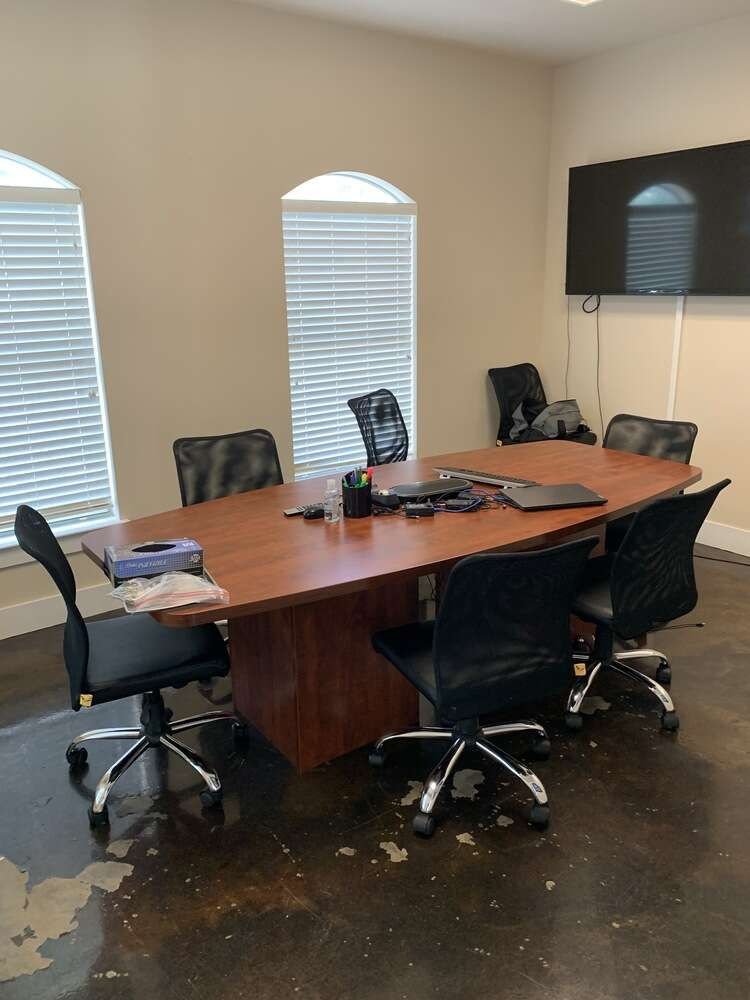
LeasedOffice
Office in San Antonio & New Braunfels Metro
Talk to Rex about officeWhether you are buying an office building along Highway 46, leasing professional space in New Braunfels, or selling an asset in Boerne or San Marcos, you need clear facts about usable area, parking, and building systems before signing paperwork. We pull the actual county records, inspect mechanical equipment firsthand, and audit tenant expense ledgers rather than taking marketing flyers at face value. Commercial property decisions require straightforward analysis, and we work across multiple commercial property sectors to help you evaluate how an office property fits your operational needs and investment timeline. Tell us what you want to achieve, and we will walk through the numbers together.
Office property is commercial real estate built to house administrative, professional, medical, and corporate operations. These buildings range from multi-story urban towers and suburban office parks to freestanding professional buildings and adaptive reuse conversions. Unlike industrial or retail spaces, office valuation centers on lease term length, tenant credit strength, parking ratios, and how usable the floor shape is for daily work. Operating expenses often pass through to occupants through structured agreements, meaning an owner’s actual income depends on operating cost management, property tax assessments, and the gap between rentable space and the area tenants can occupy.
Transactions in the office sector involve individual owner-occupants, private local partnerships, and regional investment funds. Office property classifications divide into Class A, Class B, and Class C structures based on age, building mechanicals, architectural finishes, and location. Revenue models typically rely on multi-year leases structured as full service gross, modified gross, or triple net agreements where tenants contribute to maintenance, insurance, and taxes. How an office building earns over time depends on maintaining continuous occupancy, managing tenant finish allowances, and keeping building equipment operating efficiently through seasonal weather shifts.
Office real estate covers a broad range of architectural layouts, operational infrastructures, and tenant categories. Understanding the operational differences between standard administrative facilities, clinical medical suites, and industrial flex layouts helps buyers, sellers, landlords, and tenants identify appropriate pricing and operational costs. Every building subtype carries distinct demands regarding utilities, plumbing, electrical capacity, and accessibility.
Our team at Blue Collar Commercial Group evaluates these property categories by looking at structural realities rather than general descriptions. An older office building converted to clinical rooms requires fundamentally different plumbing, parking access, and heating systems than an open-plan design. Inspecting water lines, utility meters, and ingress points before pricing a listing or drafting a lease prevents unexpected capital outlays later.
Traditional multi-tenant or single-tenant corporate facilities engineered for general business, legal, financial, and executive functions. These properties feature centralized building systems, common hallways, shared restroom banks, and surface or structured parking ratios configured for desk-based staffing. Mechanical systems, roof integrity, and parking allocations govern long-term capital budgets and property resale valuation. Selecting or pricing a traditional office building requires verifying utility operating history and mechanical maintenance logs to assess ongoing cash flow accurately.
Specialized commercial facilities equipped with wet plumbing in individual exam rooms, enhanced electrical service, dedicated clinical storage, and strict accessibility design for patient traffic. These assets demand higher vehicle parking ratios than standard commercial offices and require specialized waste handling and air filtration infrastructure. Because clinical build-outs represent substantial capital commitments, medical tenants frequently sign extended lease terms backed by personal or practice guaranties. Evaluating a clinical property requires confirming utility line capacities and patient parking adequacy before committing capital.
Characterized by open floor arrangements, elevated ceilings, exposed timber or ductwork, and flexible modular zones suitable for design, marketing, architectural, and technology operations. These assets often repurpose historic masonry or industrial structures, blending architectural character with updated cabling and electrical distribution. Operating costs can fluctuate depending on ceiling heights, insulation effectiveness, and window efficiency. Choosing a creative workspace requires checking heating and cooling distribution to ensure utility bills remain manageable across changing seasons.
Subdivided office layouts providing turn-key, furnished private suites alongside shared amenities such as conference rooms, break areas, reception desks, and printing centers. Leases typically offer shorter commitments and simplified monthly billing, appealing to solo practitioners, satellite corporate representatives, and independent consultants. Management intensity is higher because occupant turnover occurs more frequently than in conventional corporate facilities. Evaluating executive suites requires reviewing historical room occupancy trends and ongoing administrative overhead costs.
Office space occupied by municipal agencies, educational organizations, regional utility authorities, or civic institutions under structured public procurement requirements. These facilities must satisfy rigorous public accessibility standards, heightened building security measures, and specific structural compliance guidelines. Leases frequently provide long-term stability but involve formal oversight, public funding cycles, and deliberate approval procedures. Managing or purchasing an institutional asset requires reviewing sovereign lease terms and statutory renewal options.
Hybrid commercial facilities pairing administrative, sales, or customer service suites with contiguous storage, assembly, or distribution bays. These units feature grade-level overhead doors, modest clear heights, reinforced slab flooring, and designated commercial vehicle parking. They attract contractors, specialty trade vendors, distribution operations, and field service businesses that require desk space alongside equipment storage. Selecting an office warehouse asset requires verifying commercial vehicle ingress, turning radius clearance, and zoning classifications.
Flexible communal office arrangements offering daily desks, reserved hot desks, and private lockable rooms supported by shared technology infrastructure and community areas. This format generates revenue from varied membership subscriptions rather than conventional long-term leases, shifting the burden of building maintenance and amenity provisioning to the operator. Operational success hinges on membership retention, active hospitality management, and community density. Entering this category requires analyzing competing flexible workspaces and calculating upfront furnishing capital expenses.
Technical research real estate featuring reinforced floor loading capacity, specialized exhaust ventilation, clean room environments, chemical drainage, and heavy-duty utility distribution. These properties require substantial initial capital investment and regular maintenance to support scientific discovery, testing, or development. Tenant commitments are typically long-term because moving scientific equipment and recertifying spaces requires significant operational capital. Underwriting a research space involves auditing electrical subpanel capacity and municipal environmental compliance permits.
Office properties across Comal County, Hays County, and neighboring areas serve varied business strategies and investment profiles. Private commercial owners, professional corporations, regional service firms, and capital allocators each view an office building through the lens of their specific balance sheets and operational demands. Matching the physical characteristics of a building to the exact objectives of the user or investor determines transaction success.
Leigh Neves and our advisory group work with clients across the San Antonio-Austin corridor by evaluating properties through property record audits, comparable lease data, and direct utility research. Whether an owner-occupant plans to purchase a permanent corporate home along the I-35 corridor or an investor plans a 1031 exchange into an income-producing asset, we focus on verified numbers rather than optimistic projections.
Small business owners and residential rental investors transitioning into commercial real estate ownership for the first time. These buyers seek single-tenant or dual-tenant office properties that allow them to occupy part of the building while leasing remaining space to offset debt service payments. They require straightforward guidance on commercial mortgage underwriting, property management demands, and maintaining liquid cash reserves after closing. Structuring this initial acquisition properly establishes commercial equity while stabilizing long-term facility overhead.
Law practices, engineering groups, accounting firms, and title agencies seeking to stabilize corporate facility costs by purchasing their own freestanding building. Owning their physical real estate shields them from commercial rent increases while creating tangible equity in growing markets such as New Braunfels and San Marcos. These buyers prioritize customer parking access, visible roadside signage, and professional exterior finishes. Evaluating these transactions requires balancing purchase financing against required tenant improvements and building mechanical systems.
Property owners completing the sale of commercial acreage, ranchland, or industrial parcels who need to place proceeds into income-generating office assets within strict statutory rules. These investors target stabilized multi-tenant office parks or freestanding medical suites with existing tenant operating histories. They value predictable collections, responsible property management, and triple net lease agreements that minimize ongoing operational tasks. Identifying suitable replacement office assets requires verifying tenant payment ledgers and lease expiration schedules before entering purchase contracts.
Property owners holding multi-tenant suburban office complexes seeking to reduce vacant suites and maintain strong net operating income. These landlords require strategic tenant placement, accurate operating cost audits, and practical lease negotiation to protect asset value. Retaining dependable occupants requires maintaining competitive rental structures while avoiding excessive interior renovation concessions. Our advisory focuses on verifying tenant credit, evaluating lease terms, and keeping maintenance costs aligned with local market expectations.
Growing regional enterprises in healthcare, insurance, construction services, and technology leasing larger administrative offices along Highway 46 and I-35. These organizations require flexible floor designs, dedicated executive rooms, and sufficient parking for staff and client visitors. They must evaluate the real share of rentable space they can physically use alongside ongoing building maintenance responsibilities. Structuring their lease agreements properly protects them against unexpected building utility cost increases and operational constraints.
Private commercial real estate investors targeting secondary and tertiary office buildings suitable for cosmetic repositioning and operational improvements. These buyers analyze in-place rent rolls against comparable market rents in submarkets like Boerne, Bulverde, and Seguin. They focus on acquiring fundamentally solid physical assets that suffer from deferred upkeep or poor property marketing. Executing this approach requires auditing roof, electrical, and air handling equipment conditions to model required renovation expenses accurately.
Decisions in commercial office real estate involve detailed operational terminology, layered financial structures, and physical building evaluations that directly affect cash flow. Buyers, sellers, landlords, and tenants must understand lease classifications, space measurement rules, and mechanical equipment maintenance before completing transactions. Getting straightforward answers early prevents costly oversights during lease negotiations or due diligence periods.
We provide direct, data-backed insights on commercial office transactions across Comal County and the broader Texas Hill Country. Drawing on commercial real estate brokerage experience since 2020, we walk through county deed records, municipal zoning codes, and actual building utility expenses with our clients across every deal. The questions below address core factors that influence commercial office choices.
Commercial office space houses administrative, corporate, and professional services where client traffic is scheduled, whereas retail property relies primarily on walk-in consumer foot traffic, store visibility, and retail co-tenancy. Office buildings typically offer standard weekday operational hours and prioritize parking ratios, efficient interior layouts, and building mechanical systems. Retail locations focus heavily on street frontage, retail storefront glass, and impulse consumer access. Understanding this operational distinction helps property owners evaluate zoning permissions, exterior signage, and customer accessibility.
Usable space is the actual private square footage your business exclusively occupies, while rentable space includes that private area plus your allocated portion of common building areas such as lobbies, public restrooms, and shared corridors. Landlords apply a proportional factor to calculate the total square footage on which an occupant pays rent. The difference represents the share of the space you pay for that you cannot actually use for individual operations. Evaluating office lease proposals requires checking this calculation to ensure your effective monthly occupancy expense matches your budget.
Class A office properties are premier modern buildings featuring top-tier architectural finishes, advanced mechanical equipment, ample parking, and professional management that command premium local rents. Class B buildings are functional, well-maintained assets that are slightly older, offering practical workspace and competitive rental pricing for standard commercial tenants. Class C facilities represent older buildings with functional obsolescence, basic building systems, and below-market rental structures. Categorizing an asset correctly helps investors and tenants determine fair market pricing and anticipated maintenance budgets.
Under a full service gross lease, the tenant pays a fixed base rent while the landlord covers building property taxes, insurance, and routine common maintenance. In a triple net lease, the tenant pays base rent plus their proportionate share of property taxes, building insurance premiums, and operating maintenance costs. Modified gross leases split these obligations, setting base years or expense stops where building operating costs past a defined point become the tenant’s responsibility rather than the landlord’s. Reviewing lease language carefully reveals which party shoulders inflation risk on recurring building expenses.
Parking ratios are calculated as the total number of vehicle spaces available per thousand square feet of rentable building area. Medical practices, call centers, and dense corporate operations require significantly higher parking ratios than traditional executive suites or legal practices with lower visitor volume. Municipal development ordinances in cities like New Braunfels, Boerne, and San Marcos establish baseline parking minimums that dictate property usage. Verifying vehicle parking capacity ensures the site can support your staff and visiting clients without violating city codes.
Buyers must inspect commercial heating, ventilation, and air conditioning systems, electrical distribution panels, plumbing lines, and structural roof systems. Commercial cooling equipment represents one of the largest replacement expenses for office property in the Texas Hill Country climate. In addition to mechanical testing, reviewing environmental site reports, commercial foundation conditions, and ADA accessibility compliance protects buyers from unexpected capital outlays after closing. Thorough on-site physical diligence surfaces deferred maintenance before purchase agreements become binding.
Commercial office property qualifies as like-kind real estate for a 1031 exchange when exchanging into or out of other income-generating commercial land, retail centers, or industrial buildings. Statutory guidelines require following rigid regulatory timelines and using an independent Qualified Intermediary before closing on the sale of the relinquished property. Investors use this mechanism to defer capital gains tax while redeploying sales proceeds into commercial assets that match their management preferences. A qualified tax advisor can evaluate how this applies to your situation before you finalize transaction dates.
A tenant improvement allowance is a negotiated dollar sum provided by the landlord toward renovating, dividing, or updating the interior workspace to suit the tenant’s specific operational needs. Allowances vary based on overall lease term length, tenant creditworthiness, and whether the space sits in bare shell condition or second-generation office finish. Landlords may manage the construction directly or reimburse the tenant upon receiving contractor lien waivers and occupancy permits. Negotiating these provisions clearly upfront confirms who oversees construction timing and absorbs cost overruns.
Each sale shows the asking price, and the closing date when we have it.
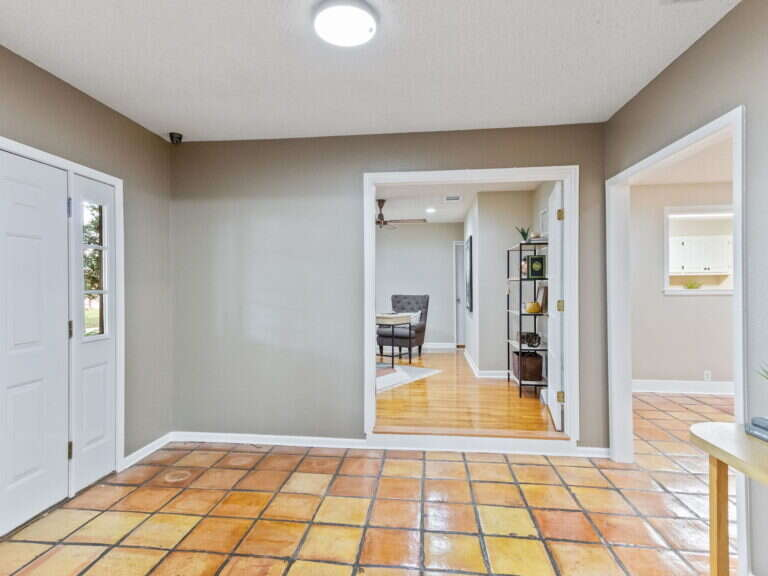
Asking price $319,000 · Closed June 2023
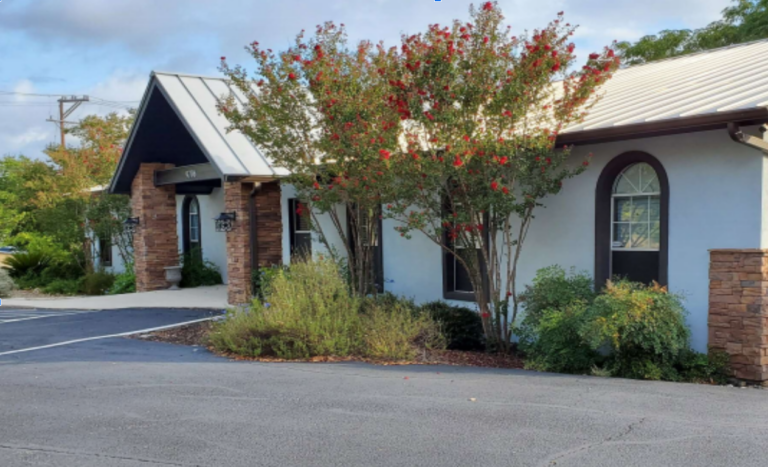
Asking price $1,070,000
The market reports for this kind of property.
We also work these.
What is changing in Texas land, water and growth, explained for owners, not insiders.

TxDOT taking part of your Texas land? See what the state pays for, which losses it doesn't count, how the process runs, and when…

Selling a Texas shopping center? See how a careful buyer rebuilds your income, which fixes can pay off, and how to handle tenant estoppels…

Buying your first Texas shopping center? See how vacancy, taxes and loan terms can turn a 7.5% return into 5%, and what to check…

A 15-minute call. Tell him what you own or what you want to buy. He will tell you what he sees, good and bad. No cost, no pressure.
Talk to Rexor call 210-823-3721
We Are Ready To Help You In Making Smart Real Estate Decisions
Whether you have questions about commercial real estate, need advice on your next investment, or are ready to take the next step, we’re here to help. At Blue Collar Commercial Group of New Braunfels, we pride ourselves on providing personalized, expert guidance at every step. Fill out the contact form, and we’ll get back to you promptly to discuss how we can work together to achieve your goals. Let’s start the conversation today!
Local commercial real estate news and new listings, once a month.