
SoldSpecial Purpose
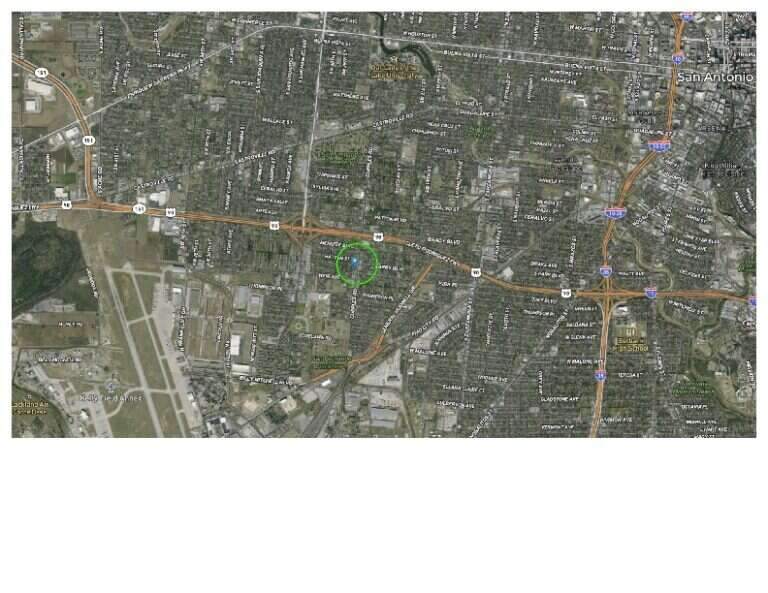
1018 Cupples Rd, San Antonio
Asking price $399,000 · Closed July 2022
Special Purpose in San Antonio & New Braunfels Metro
Talk to Rex about special purposeWhether you are acquiring a specialized facility, selling an operational business site, or finding space across New Braunfels, Canyon Lake, or Bulverde, special purpose properties depend entirely on physical layout, utility capacity, and underlying municipal approvals. Blue Collar Commercial Group pulls county records, maps Edwards Aquifer recharge zone rules, and walks the dirt to verify water lines, septic capacities, and access points before you commit capital. We evaluate the building’s reuse value alongside its operational history so you understand what the property is worth to an operator versus a redevelopment buyer. Tell our team what facility you need or what parcel you hold, and we will walk through the real comps and zoning limits together.
Special purpose property is commercial real estate built or adapted for a specific operational use with limited alternative utility without major modification. These assets feature physical improvements tailored to a distinct business model, meaning their market value is closely tied to operational viability rather than generic rental square footage. Common configurations include assemblies with fixed structural layouts, specialized utility connections, high-volume water infrastructure, or unique land improvements that do not easily convert to standard office, retail, or industrial uses.
Valuation for this property category separates the real estate value from the going-concern enterprise value of the operating business. While standard commercial buildings trade based on generalized rent rolls and market capitalization rates, special purpose transactions turn on replacement costs, regulatory permits, environmental compliance, and the feasibility of alternative future uses. Buyers and sellers include specialized operators, non-profit institutions, private business owners, and commercial developers seeking sites with established infrastructure.
Special purpose real estate spans a wide spectrum of physical improvements, from recreational developments covering substantial acreage to service-oriented buildings with high-capacity utility service. Each subtype operates under distinct physical requirements and municipal guidelines that dictate how the improvements function and what an incoming owner must maintain. Understanding the exact classification ensures that buyers, sellers, and operators evaluate the right physical systems during due diligence.
Across the Texas Hill Country, our team checks whether local water supply corporations, septic approvals, and drainage basins match the ongoing operational needs of each specific site. A facility that looks operational on the surface may face strict regulatory limits on expansion or water draw. Walking the perimeter, verifying utility meters, and reviewing easement encumbrances protects capital before contracts become binding.
Car wash properties feature specialized plumbing, high-volume electrical hookups, water reclamation systems, and vehicle stacking lanes. Sites include tunnel conveyor washes, self-service bays, and in-bay automatic setups situated along high-traffic corridors. The real estate value relies heavily on vehicle curb cuts, wastewater discharge permits, and continuous utility capacity.
Educational facilities incorporate specialized classrooms, administrative offices, commercial cafeterias, assembly spaces, and dedicated outdoor play or sports grounds. These campuses demand compliance with life-safety codes, accessibility standards, and bus drop-off circulation requirements. Prospective purchasers must evaluate how the building footprint matches institutional occupancy rules and local zoning allowances.
Religious properties center on large sanctuaries, multi-purpose fellowship halls, educational classrooms, and extensive surface parking lots. Many include secondary structures such as administration offices, parsonages, and childcare wings. Evaluating these properties requires reviewing local parking regulations, conditional use permits, and the feasibility of adapting large open spaces for secular community uses.
Marina assets combine upland commercial property with wet slips, boat storage yards, fuel delivery systems, and launch ramps. These properties require navigating lake authority regulations, submerged land leases, shoreline stabilization, and environmental containment measures. Operating revenues often blend slip rentals, boat maintenance services, and retail sales, making shoreline access rights paramount.
Golf course developments encompass extensive acreage, irrigation networks, clubhouse facilities, maintenance barns, and cart path systems. Diligence centers on water rights, effluent reuse contracts, drainage easements, and turf maintenance equipment needs. The real estate assessment must differentiate between ongoing recreational operations and potential long-term land redevelopment opportunities.
Event venue properties combine hospitality gathering spaces, commercial prep kitchens, covered pavilions, and scenic rural acreage. In Hill Country submarkets, these assets frequently serve weddings, corporate retreats, and private gatherings that depend on outdoor vistas and quiet surroundings. Crucial considerations include sound ordinances, parking surface standards, commercial septic capacity, and road access safety.
Special purpose real estate attracts investors, owner-operators, and institutions seeking properties tailored to specialized day-to-day functions. Unlike standard multi-tenant assets, these properties require a clear match between the user’s business operational requirements and the building’s physical capacity. Successful transactions align the buyer’s industry knowledge with the unique structural attributes of the site.
We guide clients across Comal County and surrounding corridors by evaluating whether acquiring an existing facility costs less time and capital than building from raw dirt. In many cases, securing an existing grandfathered permit or high-capacity utility connection creates substantial value for an expanding operator. Our advisors walk through the physical systems and municipal records to confirm the site actually supports the intended venture.
Business owners expanding an existing operation benefit from purchasing facilities that already contain the necessary physical plant and specialized equipment. This path eliminates the lengthy permitting and construction cycles required to develop from scratch. We help operators confirm that the existing equipment, utility taps, and site ingress match their operational volume.
Investors completing a 1031 exchange often look for single-tenant special purpose facilities backed by established corporate operators. These acquisitions can provide long-term lease structures without intensive daily management burdens. We examine lease covenants, corporate credit quality, and underlying land value to evaluate the real risk profile.
Developers and commercial buyers frequently purchase underutilized educational, religious, or event facilities to convert them into new commercial uses. These projects leverage existing structural envelopes, parking fields, and utility connections while repositioning the interior space. We review city zoning rules, deed restrictions, and structural walls before clients commit acquisition funds.
Churches, private academies, and civic groups require specialized buildings that accommodate large gatherings, classrooms, and community programs. Finding a property with active assembly certificates and sufficient parking saves years of municipal review. We verify occupancy ratings, traffic access, and accessibility compliance to ensure the property meets institutional goals.
Entrepreneurs stepping from leased space into their first commercial real estate purchase often acquire an existing service business or specialized venue. Owning the underlying dirt and improvements provides long-term stability against rent increases. We walk these buyers through mechanical inspections, septic verification, and loan reserve expectations so there are no surprises after closing.
Transacting in special purpose real estate raises complex questions regarding valuation, financing, and regulatory approval. Because these properties cannot easily shift between tenant types, market participants must look beyond standard commercial rules of thumb. Lenders, appraisers, and municipal boards treat these facilities with scrutiny, making advance preparation critical.
Blue Collar Commercial Group addresses these issues by reviewing the property’s physical systems, utility agreements, and local zoning status before drafting purchase contracts or marketing materials. Understanding how appraisers approach specialized facilities helps sellers set defensible prices and prepares buyers for underwriting hurdles. The answers below address the core fundamentals of transacting in this unique property category.
A special purpose commercial property has a physical design, layout, or structural build-out tailored to one specific type of business or institutional use. Because these improvements cannot easily accommodate other commercial users without significant capital expenditure, market value relies heavily on the ongoing business operation or the replacement cost of the physical improvements. Common examples include car washes, schools, religious facilities, marinas, and event venues.
Standard retail properties feature flexible, open floor plans that can quickly accommodate new tenants like clothing stores, restaurants, or dry cleaners with modest interior remodeling. In contrast, special purpose properties contain specialized machinery, heavy plumbing, or unique structural footprints that serve only one distinct business type. If a tenant vacates a special purpose building, re-leasing it typically requires finding an identical operator or spending substantial capital on adaptive reuse.
Commercial lenders approach special purpose properties cautiously because repossessing and re-selling a single-use building presents higher liquidation risk if the borrower defaults. Lenders often require stronger equity down payments, healthy post-closing cash reserves, and proven operational experience from the borrower. They will also look closely at historical business cash flow rather than just general real estate market comps.
Yes, adaptive reuse is common for special purpose buildings, but conversion costs depend on the underlying structure and municipal zoning allowances. Large open spaces like religious sanctuaries or educational halls often convert well to offices, community centers, or boutique retail, while facilities with extensive underground piping or tanks require substantial environmental abatement and utility rework. Consulting local planning departments and building engineers early confirms whether conversion is financially viable.
Water availability, wastewater discharge limits, and electric service volume represent make-or-break factors for operational facilities like car washes, marinas, and rural event venues in the Texas Hill Country. Properties outside municipal sewer boundaries rely on commercial septic systems that carry strict regulatory limits on daily effluent volume. Verifying utility agreements with local water supply corporations and river authorities is an essential step in due diligence.
Yes, special purpose real estate qualifies as like-kind property under Section 1031 rules, allowing an investor to defer capital gains when selling or acquiring real property held for productive use in trade, business, or investment. However, value assigned to operating equipment, business enterprise value, or personal property does not qualify for tax deferral. You must engage a Qualified Intermediary before closing the sale, and worth reviewing with your tax counsel is how the real estate allocation is structured.
Appraisers typically rely more heavily on the cost approach and the income capitalization approach rather than the sales comparison approach, due to a shortage of direct local comps. The cost approach calculates what it would cost to acquire the land and reproduce the physical improvements, minus physical depreciation and functional obsolescence. When sufficient operational revenue records exist, appraisers also analyze net operating income to establish value based on business yield.
Properties located inside municipal limits like New Braunfels, Seguin, or San Marcos require specific zoning classifications or conditional use permits to operate assembly venues, schools, or vehicle service centers. In unincorporated areas of Comal County and Guadalupe County, county regulations may not include traditional zoning, but development is strictly governed by Edwards Aquifer rules, flood plain boundaries, and commercial driveway permitting. Checking both county and city extra-territorial jurisdiction rules ensures uninterrupted operations.
Each sale shows the asking price, and the closing date when we have it.
Asking price $399,000 · Closed July 2022
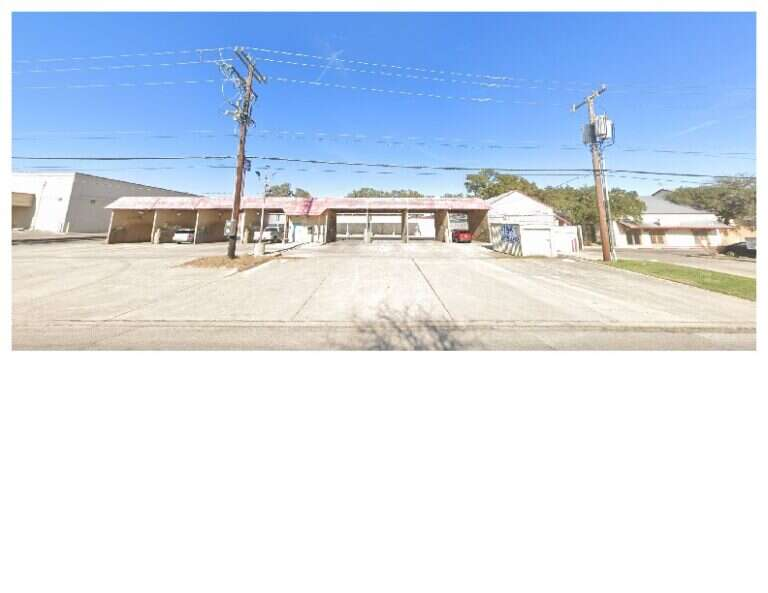
Asking price $395,000 · Closed October 2021
We also work these.
What is changing in Texas land, water and growth, explained for owners, not insiders.

TxDOT taking part of your Texas land? See what the state pays for, which losses it doesn't count, how the process runs, and when…

Selling a Texas shopping center? See how a careful buyer rebuilds your income, which fixes can pay off, and how to handle tenant estoppels…

Buying your first Texas shopping center? See how vacancy, taxes and loan terms can turn a 7.5% return into 5%, and what to check…

A 15-minute call. Tell him what you own or what you want to buy. He will tell you what he sees, good and bad. No cost, no pressure.
Talk to Rexor call 210-823-3721
We Are Ready To Help You In Making Smart Real Estate Decisions
Whether you have questions about commercial real estate, need advice on your next investment, or are ready to take the next step, we’re here to help. At Blue Collar Commercial Group of New Braunfels, we pride ourselves on providing personalized, expert guidance at every step. Fill out the contact form, and we’ll get back to you promptly to discuss how we can work together to achieve your goals. Let’s start the conversation today!
Local commercial real estate news and new listings, once a month.