
SoldHospitality
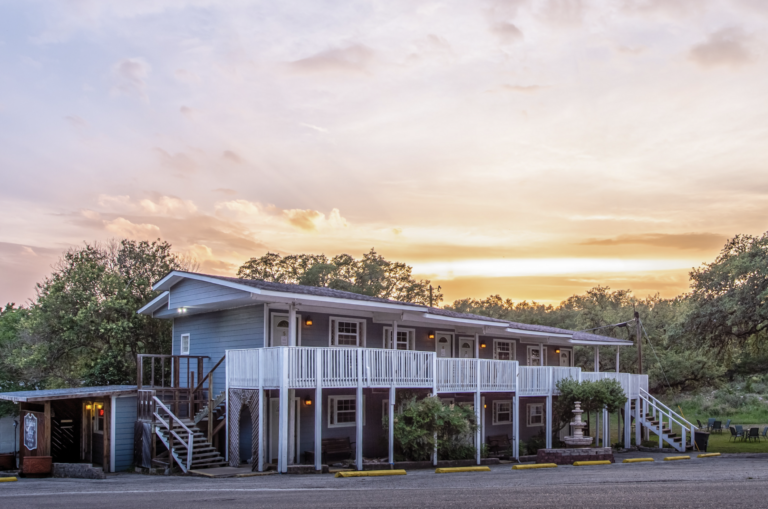
537 Skyline Dr, Canyon Lake
Asking price $1,150,000 · Closed November 2024
Hospitality in San Antonio & New Braunfels Metro
Talk to Rex about hospitalityEvaluating lodging real estate along the corridor between San Antonio and Austin requires looking past surface finishes to examine true underlying utility capacity, municipal permits, and guest traffic patterns. Leigh Neves and our team at Blue Collar Commercial Group track hotel and lodging opportunities across New Braunfels, Fredericksburg, and Boerne. We analyze daily operational demands, water infrastructure, and local zoning so you know how a property functions before you commit capital. Tell us what your acquisition or disposition goals are, and we will pull the underlying parcel data and market records.
Hospitality property is commercial real estate focused on providing short-term lodging, food and beverage, and related guest services to travelers and visitors. Unlike standard commercial real estate leases where an occupant signs for a multi-year term, lodging operations generate revenue through daily room rentals, event hosting, and on-site retail amenities. This operational structure makes the asset class a direct combination of physical real estate and an active service business, where financial performance changes nightly based on travel volume, visitor preferences, and regional commercial activity.
The physical structures in this category range from highway roadside accommodations to destination resorts and extended-stay facilities. Ownership groups include individual owner-operators, private regional investment groups, and corporate entities that partner with national franchise brands under specific licensing agreements. Real estate transactions in this field require evaluating not only the land, building structural integrity, and local zoning, but also property management agreements, municipal lodging tax compliance, and water or wastewater utility allocations.
The lodging sector divides into distinct categories based on guest service levels, average length of stay, and operational overhead. Each subtype relies on a unique mix of room revenue, meeting space utilization, and food service to sustain profitability. Selecting the appropriate subtype depends on regional highway access, nearby corporate or leisure demand generators, and the owner’s capacity to manage on-site staff.
In the Texas Hill Country, infrastructure constraints play a substantial role in determining which lodging model a parcel can support. Properties in cities like New Braunfels or San Marcos often tie into central municipal utilities, whereas rural sites along Highway 46 or in Blanco County frequently require detailed evaluations of water wells, septic capacities, and aquifer district rules. Blue Collar Commercial Group reviews these practical site realities for every subtype before our clients finalize an agreement.
Full service hotels provide extensive guest amenities, including on-site dining, room service, dedicated meeting rooms, and banquet halls. These properties generate diverse revenue streams from conferences, weddings, and corporate gatherings alongside overnight room sales. Operating costs run higher because of food and beverage inventory and larger on-site staffing requirements. Understanding this subtype matters because capital requirements and staffing depth directly dictate operational margins.
Limited service properties focus on overnight accommodations while minimizing communal amenities, offering basic services such as complimentary morning breakfast without a full restaurant. This streamlined design lowers labor overhead and reduces utility consumption compared to full-scale hospitality buildings. These properties frequently cluster along major transportation corridors like Interstate 35 to capture highway travelers and corporate contractors. Evaluating this model helps investors target efficient operations with lower labor dependency.
Boutique and independent properties emphasize distinctive architecture, localized character, and personalized guest experiences outside national brand guidelines. These properties often thrive in historic downtown districts, wine regions such as Fredericksburg, or riverfront recreation hubs. Because they operate without mandatory franchise fees or national design requirements, owners retain complete control over operations and pricing. Analyzing this category allows buyers to assess whether local brand reputation offsets the absence of a national reservation network.
Resort properties are destination-oriented developments offering extensive outdoor amenities such as swimming complexes, recreational grounds, and wellness facilities. These operations depend heavily on seasonal tourist travel, vacationing families, and weekend retreats. Land requirements are extensive, making water rights, drainage easements, and acreage access primary valuation factors. Examining this subtype confirms whether expansive acreage and amenity maintenance align with overall business projections.
Extended stay facilities accommodate guests booking rooms for weeks or months, featuring in-room kitchenettes and laundry facilities. Demand stems from corporate relocations, infrastructure construction crews, and temporary medical staff. Longer average stays produce lower daily turnover costs, reduced front-desk staffing needs, and steadier occupancy patterns throughout economic shifts. Reviewing this property type helps buyers determine if local industrial and commercial growth creates sustained extended lodging demand.
Motel and economy properties offer direct exterior room access and functional, cost-conscious accommodations for transit-oriented travelers. These facilities feature low maintenance requirements, single-story or two-story footprints, and minimal communal spaces. They frequently represent compelling repositioning or redevelopment opportunities on high-traffic highway frontage parcels. Inspecting this subtype helps buyers evaluate whether the physical dirt and highway visibility justify continuing lodging operations or transitioning to an alternate commercial use.
Lodging assets appeal to a wide variety of market participants, from regional owner-operators seeking hands-on business oversight to passive private syndications partnering with third-party management companies. Because revenue fluctuates based on nightly demand, participants must match their tolerance for operational involvement with the specific property profile. A well-capitalized group may acquire an unflagged property to convert it to a recognized franchise, while an independent hotelier may seek distinctive historic character.
Navigating these transactions requires evaluating building mechanical systems, local hotel occupancy taxes, and municipal utility agreements. Leigh Neves has worked commercial real estate transactions since 2020, focusing on practical site conditions, zoning allowances, and verifiable property performance. We examine the operational realities of every parcel so our clients understand exactly what they are purchasing before diligence money goes hard.
Owner-operators seek independent or economy lodging properties where on-site management directly controls guest satisfaction and expenses. These buyers look for properties with manager living quarters, manageable room totals, and direct road visibility. Maintaining hands-on control eliminates costly third-party management fees and keeps maintenance overhead under direct supervision. This profile matters for hoteliers looking to build equity through daily operational sweat and disciplined management.
These buyers acquire independent or aging branded hotels with the specific intent to complete property improvement plans and join national reservation systems. Their focus centers on highway corridors like Interstate 35 where brand-loyal business travelers drive steady booking volume. Evaluating brand requirements against existing structural footprints determines whether franchise approval is economically viable. This strategy suits well-capitalized investors capable of funding renovation timelines to capture brand-driven revenue lift.
Developers in this category focus on unique destinations such as Fredericksburg or Wimberley, turning historic structures or scenic Hill Country parcels into custom lodging experiences. They prioritize walkability, river views, or proximity to local wineries and cultural hubs. Because these ventures rely on distinctive appeal rather than corporate travel contracts, unique site character drives the valuation. This profile fits vision-focused creators who want to build a destination brand supported by regional tourism.
Portfolio investors in extended stay assets look for stable, predictable occupancy driven by regional infrastructure projects, hospital expansions, and manufacturing facilities. They favor properties near major logistical junctions in Guadalupe and Comal counties that sustain long-term contract workers. Low operational turnover and reduced housekeeping overhead provide reliable net operating income. This approach suits institutional or private capital looking for lodging assets that behave similarly to residential multifamily properties.
Redevelopment buyers look at aging roadside motels not for room rental income, but for the underlying dirt, existing utility connections, and curb cuts. In growing nodes like New Braunfels, historic lodging sites often represent prime retail, medical, or mixed-use redevelopment acreage. Converting an underperforming hospitality site can bypass long wait times for new utility connections. This category suits opportunistic developers looking to reposition strategically placed frontage parcels.
Investing in lodging real estate involves navigating operating licenses, franchise agreements, utility demands, and local municipal regulations that do not apply to typical commercial leases. Buyers and sellers must understand how daily revenue collection interacts with fixed operational overhead, debt obligations, and property maintenance schedules. Getting clear answers on these core fundamentals prevents costly surprises during contract diligence.
Our team at Blue Collar Commercial Group evaluates these questions from the ground up, inspecting physical water capacity, local zoning, and historical performance records. We verify the facts behind the numbers so you can evaluate each opportunity with complete clarity. Review the common category questions below to understand how lodging assets function in the marketplace.
Hospitality properties operate on nightly guest rentals rather than multi-year lease agreements, making them an active operational business combined with commercial dirt. While retail or office landlords rely on steady monthly rent checks backed by tenant corporate commitments, hotel revenue fluctuates with local events, seasonality, and overall travel patterns. This operational model demands active day-to-day management of staffing, amenities, and room pricing to maintain profitable cash flow.
Branded hotels operate under franchise license agreements with national parent companies, giving them immediate access to national reservation systems, loyalty reward programs, and proven marketing channels. In exchange, owners must pay ongoing franchise royalties and fund mandatory periodic renovations known as property improvement plans to maintain brand standards. Independent properties avoid franchise fees and retain complete freedom over design and service, but they must fund their own marketing and establish customer loyalty independently.
Both hospitality and multifamily assets offer lodging units, but multifamily leases typically lock tenants in for annual terms with predictable monthly payments, whereas hotels re-lease their inventory every single day. Hotel operators can adjust room rates in real time to match surge demand, offering a direct hedge against inflation that fixed leases cannot match. However, hotels carry far higher operating expenses, heavier utility loads, and greater staffing requirements than apartment complexes.
Lodging facilities consume substantial amounts of water and generate heavy wastewater flows daily from laundry, showers, and food service. In rural Comal County or Blanco County, properties outside city limits must demonstrate adequate groundwater permits from the local conservation district or maintain engineered commercial septic systems. A facility lacking proven water availability or sewer capacity cannot expand room counts or support full commercial laundry operations.
A Property Improvement Plan, or PIP, is a mandatory list of repairs, renovations, and technology upgrades issued by a franchise brand whenever a hotel property changes ownership or renews its franchise agreement. The buyer is typically required to complete these capital improvements within a negotiated timeframe following closing to keep the property compliant with current brand standards. Factoring the estimated cost of these upgrades into your acquisition budget is essential to ensure the deal penciled accurately.
The real property portion of a lodging asset, including the physical land and building structure, can qualify for tax-deferred treatment under a 1031 exchange when exchanging into or out of other like-kind commercial real estate held for business or investment use. However, lodging transactions also involve personal property, such as furniture, fixtures, and operating equipment, as well as business enterprise value, which do not qualify as real property under IRS rules. A qualified tax advisor can evaluate how this allocation applies to your specific transaction.
Critical due diligence items include commercial roofing integrity, centralized boiler and water heater systems, individual room heating and cooling units, and building envelope moisture barriers. In addition, buyers must evaluate parking lot paving, commercial pool filtration compliance, fire suppression systems, and accessibility compliance across guest rooms and common areas. Resolving deferred maintenance issues early confirms whether the property can operate safely without immediate emergency capital outlays.
Hotel occupancy tax is an assessment levied by state, county, and municipal authorities on short-term room rentals, which hotel operators collect from guests and remit on a regular reporting schedule. These funds frequently support local tourism marketing, convention centers, and historic preservation in destination markets like New Braunfels and Fredericksburg. Operating records must be audited during diligence to verify that all historical tax collections have been properly calculated and remitted to the taxing entities.
Each sale shows the asking price, and the closing date when we have it.
Asking price $1,150,000 · Closed November 2024
We also work these.
What is changing in Texas land, water and growth, explained for owners, not insiders.

TxDOT taking part of your Texas land? See what the state pays for, which losses it doesn't count, how the process runs, and when…

Selling a Texas shopping center? See how a careful buyer rebuilds your income, which fixes can pay off, and how to handle tenant estoppels…

Buying your first Texas shopping center? See how vacancy, taxes and loan terms can turn a 7.5% return into 5%, and what to check…

A 15-minute call. Tell him what you own or what you want to buy. He will tell you what he sees, good and bad. No cost, no pressure.
Talk to Rexor call 210-823-3721
We Are Ready To Help You In Making Smart Real Estate Decisions
Whether you have questions about commercial real estate, need advice on your next investment, or are ready to take the next step, we’re here to help. At Blue Collar Commercial Group of New Braunfels, we pride ourselves on providing personalized, expert guidance at every step. Fill out the contact form, and we’ll get back to you promptly to discuss how we can work together to achieve your goals. Let’s start the conversation today!
Local commercial real estate news and new listings, once a month.