

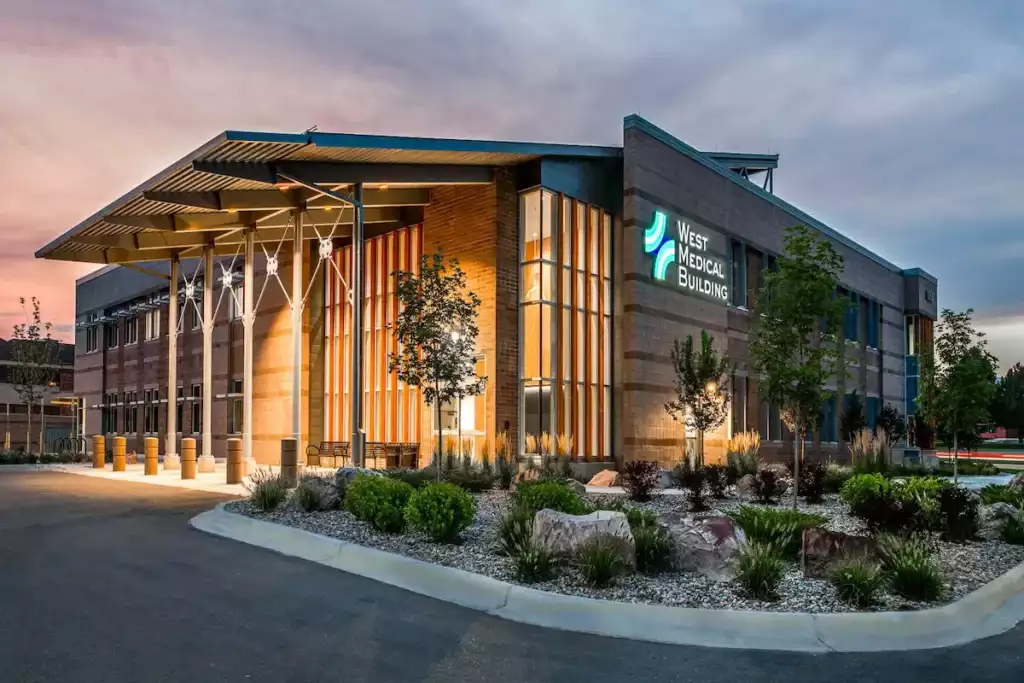
Updated October 2026. Comal County keeps adding people, and people need doctors and dentists. If you are a practice looking for space, or an investor looking at medical buildings, here is how to pick a location, what the rules require, what the build-out really involves, and what the local market looks like today.
The quick answers
- Is there demand for medical space in Comal County? Yes. The county grew about 3.8 percent in the latest Census year, more than seven times the national rate.
- Is office space hard to find? It has been. About 4 percent of Comal County office space was empty in September 2026, compared with about 10 percent across the San Antonio area.
- Is that changing? Somewhat. New office space equal to almost 7 percent of the county’s total is under construction, so tenants should have more choices in 2027.
- Can I put a clinic in any empty office? No. Check the zoning first. Then check parking, plumbing, power and accessibility.
- What costs the most? The build-out. Medical space costs far more to finish than a regular office.
- What is the most common mistake? Signing a lease before pricing the build-out.
Why Comal County needs more medical space
The reason is simple. More people live here every year.
From mid-2024 to mid-2025, Comal County added about 7,700 residents, according to the Census Bureau. That is growth of about 3.8 percent in one year. The country as a whole grew 0.5 percent.
Two groups make up much of that growth, and both use a lot of health care:
- Young families need pediatricians, family doctors, dentists and orthodontists.
- Retirees need primary care, heart and joint specialists, eye care, physical therapy and senior living.
A caution. Fast growth is not the same as endless growth. Fewer people moved to Texas from other states in 2025 than in 2023, and home building permits in Comal County fell in 2025. The county is still growing quickly. Plan on steady demand, not a rush.
What it means for you. The patients are here. The question for a practice is where they live and how far they will drive. The question for an investor is how much new space is coming to compete with yours.
Step 1: Pick the location
For a medical practice, location is about three things: how easy it is to reach, how easy it is to park, and who else is nearby.
The I-35 corridor in New Braunfels
This is the main commercial spine of the county, and the city’s hospitals are a short drive from it. It works for practices that draw patients from a wide area: specialists, surgery centers, imaging. Rents are higher. Visibility and hospital access are the trade.
Near the big neighborhoods
Large planned communities on the north and west sides of New Braunfels have added thousands of homes. A family practice, dentist or urgent care at the entrance to one of those communities becomes the easy choice for the people who live there. Convenience wins.
Highway 46: Bulverde, Spring Branch and Canyon Lake
Growth has been pushing west along Highway 46 toward Bulverde, Spring Branch and Canyon Lake. There are fewer providers out here and often more room to build. Two things to check. The state has a plan in design to turn Highway 281 into a freeway through Bulverde, which would change how patients reach some sites. And water and sewer service varies a lot from tract to tract. See what is planned on Highway 281 and our Hill Country water guide.
What it means for you. Before you look at a single listing, put your patients on a map. Where do they live? Which direction do they drive from? Then look for space on their side of the highway.
Step 2: Check the zoning
You cannot open a clinic in just any commercial space. Local zoning rules decide what kind of business is allowed where.
- Inside a city such as New Braunfels or Bulverde, the city’s development code applies.
- Outside city limits, the county’s rules apply. Texas counties have limited zoning power, but they still control things like driveways, septic systems and flood areas.
Cities update these codes, and the names of zoning districts change. Do not rely on an old chart or a “For Lease” sign. Ask one question, in writing, before you spend money on anything else:
“What is this property zoned, and is a medical office allowed there by right?”
“By right” means you do not need a special permit or a public hearing. If the answer is “with a special permit,” plan on extra months and no promise of approval.
More background: Key Zoning Laws Every Comal County Property Owner Should Know and zoning and building rules in Bulverde.
Step 3: Know what the space has to do
A regular office needs desks, lights and a restroom. A medical office needs much more.
Accessibility
Federal law requires that patients with disabilities can use your office. In practice that means:
- Parking: marked accessible spaces on the shortest route to the door.
- Doors: wide enough for a wheelchair, generally at least 32 inches of clear opening, and easy to open.
- Exam rooms: at least one with room to turn a wheelchair and an exam table a patient can transfer onto.
- Restrooms: the most common place to get it wrong. Layout, grab bars, sink height and toilet height all matter.
- Front desk: a lowered section of counter.
State rules for some facilities
A typical doctor’s or dentist’s office does not need a state facility license. Some uses do, such as surgery centers and freestanding emergency rooms, and the state sets building standards for them. If you plan to do procedures in the office, ask your architect which rules apply before you choose a space.
The build-out
Finishing a space for a tenant is called a build-out. A medical build-out costs more than a normal office because of:
- Plumbing. A sink in every exam room.
- Electrical. Dedicated circuits for equipment.
- Shielding. Lead-lined walls for X-ray and imaging rooms.
- Surfaces. Floors and counters that can be cleaned and disinfected.
- Air handling. Ventilation that meets medical needs.
Landlords often pay part of this cost. That contribution is called a tenant improvement allowance, usually stated as dollars per square foot. In a medical lease, the size of that allowance can matter as much as the rent.
What it means for you. Get a contractor to price your build-out before you sign. Then negotiate the allowance and the lease length together. A bigger allowance usually comes with a longer lease.
Step 4: The market today
We do not have a separate, reliable figure for medical office space in Comal County alone. Here is what our brokerage market data shows for all office space, through September 30, 2026.
- Comal County: about 4 percent of office space was empty. A year earlier it was closer to 5 percent. Full Comal County office report.
- San Antonio area: about 10 percent empty. Full San Antonio office report.
- New space coming: about 230,000 square feet of office space is under construction in Comal County. That is almost 7 percent of everything that exists there today.
Small-town office space here is mostly rented by people who see customers in person: doctors, dentists, lawyers, accountants. That is why it has stayed fuller than big-city office buildings.
The new construction matters. When it opens, tenants will have more to choose from than they have had in years, and landlords of older space will have to compete. That is good news if you are a practice shopping for space in 2027.
What it means for you.
- Practices: you may have more leverage in 2027 than in 2025. Look at new buildings and older ones, and compare the total cost: rent, your share of building expenses, and build-out.
- Owners of medical buildings: your tenants are sticky. A practice that has spent heavily on its space rarely moves. Keep them happy before new buildings come calling.
- Investors: a full building with long leases to established practices is a different animal from an empty shell. Read the leases and look at how long each tenant has been there.
Lease or buy?
Many practices eventually ask this.
Leasing keeps your cash free for equipment and staff, and it lets you move if your patient base shifts.
Buying fixes your occupancy cost and builds equity. If your practice will occupy most of the building, SBA loans are designed for exactly that situation. Our guide to commercial property loans in Texas explains the options.
Either way, interest rates and property taxes belong in the math. Loan rates have not come down the way many people expected, and a state cap on commercial appraisal increases is set to expire at the end of 2026 unless lawmakers renew it.
A checklist before you sign
- Map where your patients live.
- Confirm in writing that a medical office is allowed by right.
- Count the parking spaces. Medical uses usually need more than a regular office.
- Have a contractor price the build-out.
- Check accessibility: parking, doors, exam room, restroom, front desk.
- Confirm water, sewer and power for the site.
- Ask about road projects that could change access.
- Compare the total cost of at least three spaces, not just the rent.
- Negotiate the build-out allowance and the lease length together.
- Have a lawyer who handles medical leases read it before you sign. Our lease primer covers the basic terms.
Common questions
How much does medical office space cost in New Braunfels?
It depends on the building, the location and how much the landlord pays toward your build-out. Ask for current asking rents on specific spaces and compare the total yearly cost.
Can I convert a regular office or retail space into a clinic?
Often, yes, if the zoning allows it and the building has enough parking, plumbing and power. Budget for a real build-out.
How long does it take to open a new medical office?
Plan on many months from signing to opening. Design, permits and construction all take time, and medical work takes longer than a standard office.
Should my practice lease or buy?
Leasing keeps you flexible. Buying fixes your costs and builds equity. It depends on how settled your location is and how you want to use your cash.
Is medical office a good investment?
Medical tenants tend to stay put, which owners like. But buildings cost more to finish, and new competition is coming to Comal County. Judge each building on its leases and its tenants.
The bottom line
Comal County’s growth has created real, lasting demand for health care, and office space here has been hard to find. More space is on the way, which should give practices better choices in 2027.
The practices and investors who do well are the ones who do the homework: the right side of the highway, the right zoning, a priced build-out, and a lease that fits.
At Blue Collar Commercial Group, we help practices and investors find and evaluate medical space across the Hill Country. Contact our team to talk it through, or see how we work with tenants and buyers.
First published May 2025. Rewritten October 2026 with current figures. Population figures are from the U.S. Census Bureau (Vintage 2025 estimates). Property figures come from brokerage market data through September 30, 2026, and are rounded. This article is general information. It is not legal, architectural, investment or financial advice. Confirm zoning, licensing and accessibility requirements with the city, the state and your own advisors.



