
SoldSpecial Purpose
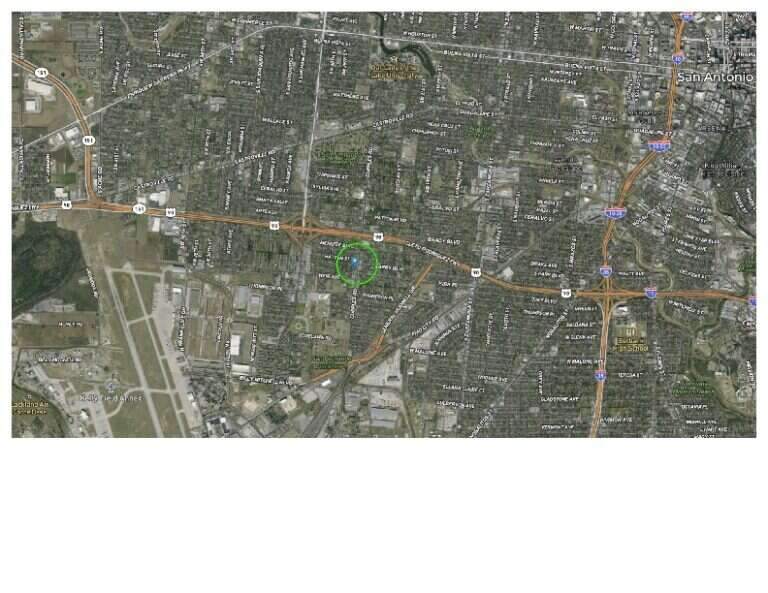
1018 Cupples Rd, San Antonio
Asking price $399,000 · Closed July 2022
Special Purpose for Tenants in San Antonio & New Braunfels Metro
Talk to Rex about special purposeFinding special purpose space in New Braunfels, Boerne, or San Marcos means looking past standard lease flyers to inspect the actual utility capacities, drainage permits, and structural build-outs that dictate your daily overhead. We pull municipal records, verify Edwards Aquifer recharge rules, and inspect three-phase electric lines and grease trap hookups before you submit an offer. Whether you are launching a regional medical practice, relocating an automotive service shop, or expanding an equipment yard, Blue Collar Commercial Group evaluates the physical improvements so you secure terms aligned with your operating requirements.
Special purpose tenants tend to lease operational capacity rather than generic floor space, prioritizing specialized infrastructure over address alone. When a business relies on heavy wash bays, reinforced slabs, commercial kitchen hookups, or fenced yard storage, locating suitable space involves matching municipal zoning and environmental rules to the building’s physical envelope. In specialized transactions across Comal County and Hays County, moving into facilities such as car washes, daycares, animal boarding facilities, and event venues requires verifying that previous utility allocations and certificate of occupancy approvals transfer cleanly to the incoming entity.
We walk these properties to evaluate what physical equipment stays with the dirt and what requires new capital expenditure. Landlords often market spaces as ready for immediate occupancy, but missing backflow preventers, inadequate septic drain fields, or non-conforming parking layouts can stall an opening by months. Our team reads local code requirements against your operational layout, identifying deferred maintenance or compliance hurdles before you sign a binding lease agreement.
Leasing an existing special purpose facility allows an operating company to deploy capital directly into inventory, staff, and core operations rather than tying up reserves in land acquisition and lengthy civil construction. Across the Texas Hill Country, gaining access to grandfathered municipal approvals, specialized plumbing systems, and established ingress lanes offers an operational head start over building from bare ground. This occupancy model provides the physical environment required for specialized trades while preserving balance-sheet flexibility as regional market demands shift.
Specialized physical layouts also introduce specific leasehold risks, as custom mechanical systems and specialized fixtures require clear maintenance allocations between landlord and tenant. If an aging grease interceptor, commercial boiler, or specialized ventilation hood fails during the lease term, repair obligations must be clearly assigned in the contract to protect the tenant from unanticipated capital calls.
Leasing avoids the heavy cash requirements of purchasing real estate and funding ground-up civil construction. Operating businesses preserve liquidity for equipment purchases, working capital, and operational staffing. This structure allows tenants to establish specialized facilities in strong trade corridors without diluting operating reserves.
Securing local permits for specialized uses such as automotive repair, food processing, or veterinary care can require extended review periods. Leasing a facility with an established certificate of occupancy accelerates your opening timeline. Gaining access to compliant zoning and grandfathered site features eliminates significant entitlement risk.
Specialized spaces often include heavy power service, commercial drainage lines, reinforced concrete slabs, and dedicated ventilation shafts. Utilizing in-place improvements saves substantial build-out capital compared to outfitting a vacant commercial shell. These installed systems enable faster operational turnover and lower initial improvement costs.
Many established special purpose properties occupy primary frontage along corridors like Highway 46 and I-35. Securing an existing site provides direct customer visibility and established curb cuts that modern transportation departments rarely grant to new developments. High-visibility positioning directly supports customer traffic and fleet logistics.
Commercial leases offer structured operational timelines that allow growing businesses to adapt to regional market shifts. When market demand requires expanding into a larger compound or opening satellite locations, lease expirations offer clean operational decision points. This approach protects operators from being tethered to illiquid physical real estate assets.
Securing special purpose commercial real estate involves obstacles rarely encountered in standard office or retail transactions. Because these buildings are configured for narrow operational uses, standard lease forms fail to address specialized equipment ownership, utility surcharge responsibilities, and decommission obligations. Tenants frequently face limited market inventory, strict environmental oversight along the Edwards Aquifer recharge zone, and landlords who lack understanding of the operational demands of modern trade equipment.
Blue Collar Commercial Group works through these hurdles by conducting on-site technical verifications and auditing municipal utility allocations before lease drafting begins. We inspect physical connections, review historic use records with city code officials, and structure lease covenants that define maintenance limits. Our approach prevents operators from inheriting preexisting code violations or paying rent on space with inadequate power or drainage capacity.
Turnkey special purpose spaces rarely reach public listing portals, as previous operators often transfer spaces quietly or repurpose them. Finding a facility that matches specific ceiling clearances, yard storage allowances, and power loads requires deep local market intelligence. We track off-market assets and connect directly with property owners across Comal and Guadalupe counties.
Hill Country properties often face strict water district pumping limits, septic sizing caps, and aquifer protection rules. Operating a high-water use or industrial wash enterprise requires confirming that on-site systems meet state environmental standards. We audit utility bills and county environmental filings to confirm utility systems support your planned volume.
Landlords often use triple net lease language that attempts to shift specialized equipment and structural repairs onto incoming tenants. Resolving who repairs grease traps, heavy air compressors, wash water recycling units, and sub-slab plumbing prevents contentious disputes. We negotiate explicit maintenance thresholds that keep primary structural and base utility systems with the building owner.
Lease agreements frequently contain clauses requiring tenants to return the premises to a generic shell at lease termination. Tearing out walk-in coolers, secondary power drops, or vehicle lifts can cost tens of thousands of dollars at move-out. We modify surrender provisions during letter of intent negotiations to ensure custom operational additions remain or surrender requirements stay practical.
Because specialized improvements hold limited value for subsequent users, landlords hesitate to provide large tenant improvement allowances. Bridging this capital gap requires structuring rent abatements or securing extended lease terms that justify tenant-funded construction. We model the payback period of your improvements against lease duration to safeguard your capital.
Evaluating a special purpose building requires analyzing the physical property as an integrated production tool rather than simple commercial shelter. Tenants must scrutinize the mechanical infrastructure, yard drainage, slab thickness, and legal zoning classification before agreeing to financial terms. A property that looks functional on an initial walkthrough may conceal undersized electrical panels, damaged septic drain fields, or local deed restrictions that prohibit outside equipment storage.
We examine the operational details that determine whether a site will function smoothly or create constant friction with neighbors and code inspectors. In markets like Boerne, Bulverde, and Seguin, checking truck turnaround radius, water meter tap sizes, and municipal overlay requirements protects your operating investment. Reviewing these structural components prior to formal negotiations gives you the necessary facts to negotiate concessions or walk away from problematic dirt.
Confirm that existing electric service, gas volume, and water taps meet your peak equipment demands without costly service upgrades. Checking electrical service panels, phase delivery, and meter capacity avoids mid-project utility delays. In rural county tracts, verifying private well output and septic drain field approvals is critical.
Define in writing which specialized improvements belong to the landlord and which trade fixtures you can remove at lease expiration. Sinks, secondary piping, specialized lighting, and processing machinery must be categorized explicitly in the lease text. Clear property boundaries prevent disputes when updating or replacing operational equipment.
Confirm that your specific commercial activity is allowed by right under municipal zoning rather than relying on a temporary conditional use permit. Properties operating under non-conforming status can lose their operating rights if vacant for an extended window. We cross-reference municipal code and county records to verify legal occupancy.
Inspect curb cut widths, driveway throat lengths, and vehicle turning radiuses to ensure work trucks, trailers, and delivery vehicles maneuver safely. Inadequate turning space creates site congestion and risks structural damage to perimeter fences and buildings. Checking paving specifications and caliche base condition determines if heavy equipment will degrade the yard.
Review historical site uses to ensure prior automotive, agricultural, or chemical operations left no hazardous ground contamination. Securing baseline environmental documentation before moving in protects your firm from liability for preexisting soil or groundwater conditions. This documentation establishes a clear starting point for your tenancy.
Ensure multi-tenant compounds or commercial business parks do not lease adjacent yard space or suites to direct competitors. Securing an explicit non-compete covenant within the property boundary safeguards your local customer base. This protection ensures the landlord cannot place a conflicting operational use right next door.
Securing specialized commercial space requires a methodical advisory sequence that prioritizes functional requirements over cosmetic appeal. Blue Collar Commercial Group guides tenants through an evaluation process designed to eliminate zoning hurdles, uncover hidden utility deficits, and secure equitable lease terms. We approach every assignment with local knowledge, verifying physical site conditions across Comal, Hays, and Guadalupe counties before negotiations begin.
Because special purpose spaces involve substantial fit-out costs and specialized regulatory considerations, our six-step advisory approach protects your operating capital from initial consultation to final move-in. We coordinate with municipal inspectors, civil contractors, and legal advisors to confirm the building fulfills your operational demands. This disciplined process delivers clarity, eliminates surprises, and equips your business with a facility that supports long-term operational performance.
We audit your daily operations to define non-negotiable physical specifications, including power loads, ceiling clearances, water discharge needs, and land area. We balance building requirements against budget parameters and geographic focus areas across the Hill Country. This foundation guides our search toward facilities capable of supporting your business model.
We identify both publicly listed facilities and unlisted sites by utilizing county ownership records, code compliance registries, and local industry contacts. We screen every prospective property against municipal zoning overlays and utility access standards. This comprehensive scan surfaces functional spaces that meet your specific operational footprint.
We inspect candidate properties alongside your operational team, examining electrical transformers, slab conditions, septic drain lines, and vehicle gates. We verify that advertised building specifications match actual on-the-ground physical conditions. Walking each site allows us to discard properties with severe structural or utility compromises.
We draft custom letters of intent that address specialized leasehold terms, including landlord repair responsibilities, utility maintenance caps, and renewal options. We use market intelligence and property-specific vacancy observations to negotiate favorable base rents and tenant improvement concessions. Our focus centers on securing operational flexibility while limiting capital exposure.
We collaborate with your legal counsel to audit the formal lease document, focusing on surrender clauses, insurance thresholds, and environmental representations. We verify that agreed business terms and technical covenants match the binding legal text precisely. This review confirms your operational rights remain fully protected prior to execution.
We conduct a detailed pre-occupancy walkthrough to document existing physical conditions and ensure all agreed landlord repairs are complete before turnover. We remain an active advisor through your build-out and certificate of occupancy process, helping you resolve punch-list items. Our client relationship extends throughout your occupancy to support future renewals or expansions.
Our tenant representation advisory serves operating companies whose core business activities depend on non-standard physical real estate improvements. When a company cannot function inside a generic office suite or plain tilt-wall distribution bay, standard real estate listing services provide inadequate guidance. We represent commercial operators who require specific utility loads, heavy equipment accommodations, and clear regulatory compliance to run profitable enterprises.
Whether your company is establishing its first independent commercial location, relocating to escape municipal code friction, or expanding across the San Antonio-Austin corridor, our team delivers the technical analysis required for informed leasing decisions. We focus on operators who value straightforward real estate counsel backed by physical diligence and local county records.
Growing business owners transitioning from home-based operations or shared contractor compounds into their first dedicated commercial facility. We guide these tenants through unfamiliar triple net structures, utility allocation responsibilities, and municipal permitting requirements. Our advisory ensures your first commercial lease protects your operating capital and allows room for growth.
Repair shops, fleet maintenance operators, and heavy equipment dealers requiring in-ground lifts, oil-water separators, heavy electric supply, and secure outside storage. We identify properties with proper industrial zoning and established environmental clearances across Comal and Guadalupe counties. We negotiate leases that protect operators from legacy contamination claims.
Healthcare, outpatient, and veterinary operators requiring specialized plumbing distribution, lead-lined radiation suites, medical gas hookups, and dedicated patient parking ratios. We source properties with compliant accessibility and suitable floor layouts. Our team negotiates build-out allowances and installation provisions tailored to medical equipment.
Early childhood centers, trade academies, and private schools needing fenced outdoor play yards, strict life-safety fire systems, and circular drop-off lanes. We evaluate municipal traffic approvals and state licensing requirements before lease commitment. We ensure the physical property conforms to all child-to-space licensing ratios.
Commercial bakeries, catering operations, craft beverage producers, and cold storage distributors requiring heavy gas capacity, floor drains, and high-capacity grease interceptors. We verify water meter capacities and wastewater discharge limits with municipal utilities. Our representation secures tenant improvement terms that support high-capital kitchen fit-outs.
Operators seeking indoor-outdoor entertainment complexes, rustic event centers, and lodging properties requiring ample guest parking, sound buffer zones, and liquor licensing conformity. We evaluate septic capacity and county sound ordinances that directly affect event operations. Our team structures seasonal lease adjustments to match cyclical revenue streams.
Leasing specialized commercial real estate involves complex technical and contractual questions that never arise in standard retail or office transactions. Prospective tenants must consider utility allocations, leasehold improvement ownership, and municipal code compliance long before signing a final contract. Misunderstanding these operational terms can lead to expensive delays, disputed maintenance responsibilities, or an unexpected loss of specialized equipment at lease expiration.
The answers below address key operational considerations faced by tenants leasing special purpose commercial property across the Texas Hill Country. We outline how to approach initial lease terms, negotiate tenant improvements, and structure agreements that protect your business. Review these insights, then contact our team to discuss the specific requirements of your commercial operation.
Special purpose leases require significantly longer initial terms and more detailed maintenance boundaries than standard warehouse agreements. While a generic storage warehouse can be leased on a short-term basis with simple triple net terms, specialized spaces often require long commitments to amortize custom equipment installations and plumbing build-outs. Furthermore, special purpose leases must include specific clauses governing trade fixture removal, environmental compliance, and repair responsibilities for complex systems like grease interceptors, hoists, and heavy electrical switchgear.
Leasing a turnkey special purpose building provides in-place plumbing, power capacity, and specialized drainage systems, saving significant upfront capital and eliminating multi-month municipal permitting delays. In contrast, converting a generic flex shell gives you a blank slate designed exactly to your specifications, but requires major capital expenditure for utility taps, concrete work, and specialized mechanical equipment. For most operators, finding an existing facility with conforming infrastructure provides a far faster path to operational revenue, provided the physical layout suits the workflow.
Landlords generally provide smaller improvement allowances on specialized buildings because custom alterations rarely add value for future tenants. However, you can frequently negotiate concessions such as extended periods of abated base rent while you complete construction, or credit toward base building repairs like roof restoration and primary utility upgrades. Demonstrating strong operating history and presenting a corporate guaranty can also encourage building owners to fund structural improvements that remain with the property.
Responsibility for existing mechanical equipment depends entirely on how the systems are classified in the lease contract. Unless explicitly modified, standard commercial lease language often assigns all ongoing equipment servicing, repair, and replacement to the tenant under triple net maintenance provisions. We negotiate custom clauses requiring the landlord to deliver all existing mechanical, plumbing, and electrical units in certified working order, while placing a monetary ceiling on tenant repair obligations for pre-installed base systems.
Your ability to remove specialized equipment at lease termination depends on whether the items are defined as tenant trade fixtures or permanent building alterations. Items bolted or hardwired into the structure, such as air compressors, specialized kitchen hoods, or diagnostic lifts, can be retained by the landlord if the lease lacks clear trade fixture exclusions. We ensure your lease explicitly designates your operational machinery as personal property that you can remove, provided you repair any surface damage caused during removal.
Operating over the Edwards Aquifer recharge or contributing zones triggers strict environmental rules concerning wastewater storage, hazardous chemical containment, and stormwater runoff. Facilities used for automotive repair, equipment washing, animal housing, or chemical processing must maintain certified containment systems and comply with state environmental agency permits. Before leasing, we review property filings to confirm the site has valid water pollution abatement plans and sufficient wastewater capacity for your intended volume.
First-time commercial operators should preserve enough cash after paying security deposits and initial rent to cover several months of full operating overhead and unexpected facility repairs. Unforeseen expenses, such as utility meter upgrades, minor code retrofits, or initial permitting delays, frequently emerge before a new facility can generate steady revenue. Maintaining a healthy liquidity buffer confirms that your business can absorb initial fit-out costs and operational ramp-up periods without straining daily cash flow.
Leasing allows an operating business to deduct full rental payments as ordinary operating expenses on commercial tax filings, which can simplify annual accounting compared to building depreciation schedules. Additionally, capital invested into qualifying leasehold improvements may qualify for accelerated cost recovery methods depending on the property type and asset classification. Because tax rules vary based on business structure and lease covenants, a qualified tax advisor can evaluate how this applies to your situation.
Each sale shows the asking price, and the closing date when we have it.
Asking price $399,000 · Closed July 2022
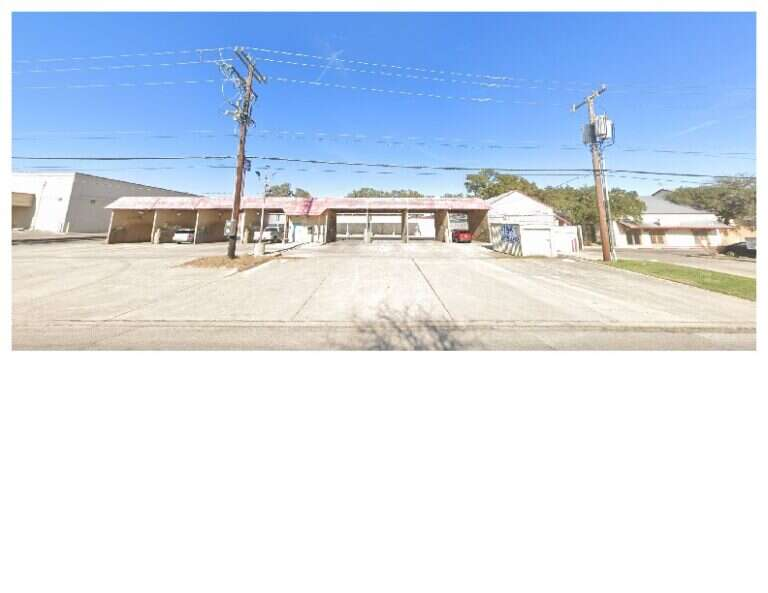
Asking price $395,000 · Closed October 2021
We also work these.
What is changing in Texas land, water and growth, explained for owners, not insiders.

TxDOT taking part of your Texas land? See what the state pays for, which losses it doesn't count, how the process runs, and when…

Selling a Texas shopping center? See how a careful buyer rebuilds your income, which fixes can pay off, and how to handle tenant estoppels…

Buying your first Texas shopping center? See how vacancy, taxes and loan terms can turn a 7.5% return into 5%, and what to check…

A 15-minute call. Tell him what you own or what you want to buy. He will tell you what he sees, good and bad. No cost, no pressure.
Talk to Rexor call 210-823-3721
We Are Ready To Help You In Making Smart Real Estate Decisions
Whether you have questions about commercial real estate, need advice on your next investment, or are ready to take the next step, we’re here to help. At Blue Collar Commercial Group of New Braunfels, we pride ourselves on providing personalized, expert guidance at every step. Fill out the contact form, and we’ll get back to you promptly to discuss how we can work together to achieve your goals. Let’s start the conversation today!
Local commercial real estate news and new listings, once a month.