
SoldSpecial Purpose
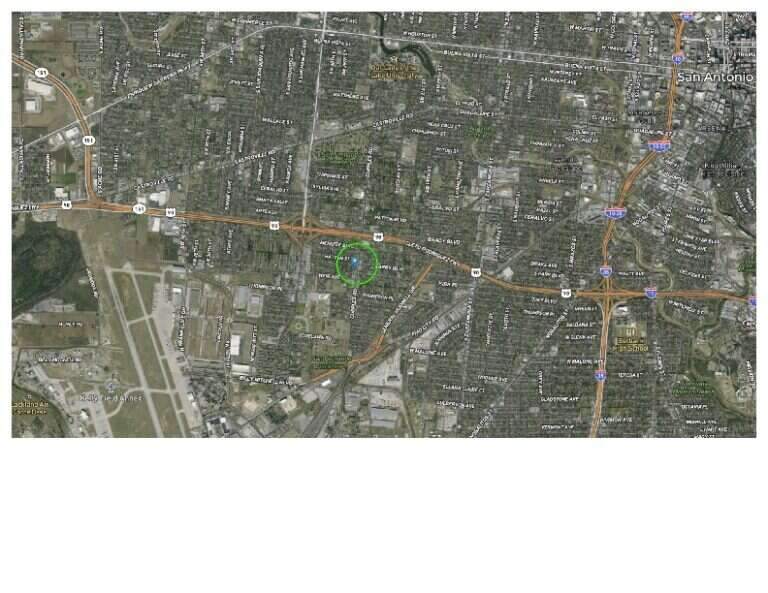
1018 Cupples Rd, San Antonio
Asking price $399,000 · Closed July 2022
Special Purpose for Sellers in San Antonio & New Braunfels Metro
Talk to Rex about special purposeDeciding to sell a specialized commercial building across New Braunfels, Boerne, or Seguin means establishing what the physical dirt and improvements are worth independent of the business inside them. We pull county records, inspect water line capacities, review Edwards Aquifer recharge zone restrictions, and separate trade fixtures from real property before your listing goes live. Tell us about your facility, and we will outline how qualified buyers evaluate your physical site.
Selling special purpose property is an infrastructure-driven process that turns on physical adaptability, utility capacity, and clearly separating business earnings from real property value. Commercial sites like private schools, worship facilities, automotive service centers, medical clinics, and event venues cannot be priced on generic commercial square footage formulas. Prospective purchasers evaluate the site either as an ongoing operational platform or as a physical candidate for adaptive reuse, making documentation of water entitlements, zoning, and structural condition the core of your positioning.
Around Comal County and neighboring corridors, buyers scrutinize physical utilities far earlier than in standard retail or office transactions. Our practice walks the site to inspect septic systems, three-phase power connections, and Edwards Aquifer environmental filings before establishing pricing. We review prior municipal approvals and surveys so that when prospective buyers submit letters of intent, the physical facts of the property support the offering price rather than invite renegotiation.
Property owners choose to sell special purpose real estate for distinct operational reasons, from corporate restructuring and partnership changes to capital redeployment into standard income assets. Because these buildings feature bespoke build-outs and unique operational layouts, bringing them to market requires identifying purchasers who place direct commercial value on existing physical infrastructure.
Timing a disposition allows an owner to harvest equity built up in specialized improvements before operational wear or shifts in local regulations require heavy capital reinvestment. However, marketing a specialty facility carries the inherent trade-off of a narrower buyer pool than commodity commercial space, meaning sellers must weigh the benefit of holding for a specialized buyer against pricing for adaptive reuse.
Many owners reach a point where operating a service business no longer aligns with holding the physical real estate underneath it. Selling the physical site allows an owner to extract accumulated equity from land and improvements while either winding down operations or executing a leaseback. Clearing the title and packaging the real estate as a standalone asset appeals to both institutional capital and local owner-operators. This clarity prevents operational complications from muddying real estate negotiations.
Holding specialized commercial property often involves intensive ongoing management, operational maintenance, and hands-on oversight. Transitioning equity through a 1031 exchange into standard net-leased industrial or retail real estate can simplify ownership while deferring capital gains liabilities. Structuring the sale to meet federal exchange deadlines requires packaging diligence materials well before entering a purchase contract. That preparation protects your transaction timeline when closing approaches.
Facilities equipped with heavy three-phase electrical power, high-volume public water connections, or engineered wastewater systems command significant value along the Highway 46 and I-35 corridors. Expanding utility infrastructure across regional municipalities involves lengthy permitting timelines that incoming operators actively seek to bypass by purchasing ready sites. Selling today lets you monetize the substantial capital already invested in existing utility hookups. Buyers will pay a premium to avoid starting the utility entitlement process from scratch.
When an original business concept changes or scales down, specialized facilities often present strong foundations for entirely different commercial uses. Assembly halls can transition into modern office campuses, automotive garages can become boutique trade showrooms, and private school spaces frequently suit specialty healthcare. Packaging your building with clear architectural floor plans and zoning allowances highlights alternative functions to a broader investor pool. Broadening the property's potential uses expands competitive demand among qualified buyers.
Multi-owner entities, family trusts, and corporate boards frequently face transitional moments where real estate liquidation provides the cleanest path forward. Specialized buildings complicate partner buyouts because appraisal opinions vary widely without confirmed market transactions. A competitive public or off-market disposition establishes clear asset value through an open transaction process. That transparency gives every stakeholder verified numbers backed by executed purchase contracts.
Special purpose commercial buildings often incorporate specialized mechanical systems, commercial kitchen equipment, large-span roofs, and intensive paving that require ongoing capital reserves. Disposing of the asset transfers major replacement obligations to the incoming operator or developer before heavy deferred maintenance impacts net returns. Documenting current service records and system condition reassures prospective purchasers while defending your asking valuation. Timely action prevents deferred maintenance from eroding your final net proceeds.
Selling a custom or single-use facility presents hurdles that generic commercial transactions rarely encounter. Appraisers struggle to locate direct comparable sales, lenders apply strict underwriting standards to non-standard buildings, and buyers frequently discount physical improvements that do not fit their immediate business model. Overcoming these hurdles requires presenting the property with complete physical, environmental, and regulatory clarity.
In Hill Country submarkets like Canyon Lake, Bulverde, and Spring Branch, utility constraints and environmental rules add friction to buyer underwriting. We address these questions upfront by gathering well logs, septic permits, and Edwards Aquifer compliance documents before marketing begins. Resolving these operational questions early prevents prospective purchasers from using administrative unknowns to renegotiate contract terms during diligence.
Appraisers frequently struggle to identify recent comparable transactions for specialized assets within immediate county lines. When comparable sales are sparse, valuation reports may default to depreciated replacement cost or apply steep discounts for functional obsolescence. We supply appraisers with detailed improvement cost breakdowns, utility infrastructure documentation, and regional transaction comps to anchor property value. Providing verified data directly to the appraiser helps protect contract pricing from appraisal shortfalls.
Commercial lenders classify single-use facilities as higher-risk collateral because re-tenanting the space after a default requires substantial capital. When a purchaser's bank evaluates the loan, rigid underwriting criteria can slow down commitment letters or reduce loan-to-value allowances. We pre-screen prospective buyers for banking relationships, private capital capacity, or Small Business Administration eligibility tailored to owner-operators. Qualifying prospective purchasers on funding capability avoids tying up the listing in failed financing contingencies.
For operational businesses, public knowledge of a pending property sale can unsettle staff, create friction with customers, and give competitors an unfair edge. Announcing a listing prematurely without strict control can disrupt the ongoing revenue that supports the property's valuation. We utilize targeted off-market marketing, customized executive summaries, and mandatory non-disclosure agreements before releasing sensitive operational details. This disciplined approach protects day-to-day operations while exposing the site to vetted buyers.
Properties located over the Edwards Aquifer recharge or contributing zones face detailed water quality protection requirements overseen by state and county environmental authorities. Buyers conducting Phase I Environmental Site Assessments will scrutinize underground storage, specialized interceptors, chemical storage, or wastewater permits. We assemble all historic permits, inspection records, and testing logs to establish an open environmental baseline for prospective purchasers. Providing clear records prevents environmental contingencies from stalling closing.
Disputes often emerge during contract negotiations over whether specialized equipment, kitchen lines, hoists, or sound systems convey with the real estate or belong to the departing business. Ambiguity in the contract regarding trade fixtures leads to closing delays and unexpected financial adjustments. We prepare a detailed inventory separating real estate fixtures from personal property before drafting the purchase agreement. This inventory clarifies exactly what is being transferred, preventing misunderstandings at final walkthrough.
Because specialized facilities require a specific type of operator or an adaptive reuse plan, the active buyer pool is inherently more concentrated than for standard warehouse or retail space. Casting a broad, generic net often yields unqualified prospects whose business models cannot utilize the physical improvements. We target buyers within matching commercial sectors and regional developers seeking specific zoning and utility footprints. Focused targeting connects your listing directly with capital ready to utilize the existing infrastructure.
Securing full market value for a specialized commercial facility depends on proving the real-world utility of its physical infrastructure to incoming buyers. Sophisticated purchasers evaluate not only the current layout but also the legal and physical ease of adapting the improvements to their specific operations. Compiling your building’s documentation into an accessible package establishes credibility and sets the tone for negotiations.
Our advisory practice has assisted commercial clients since 2020 by focusing on verified property data rather than generic marketing assumptions. We walk the physical property to check boundaries, examine three-phase electric panels, inspect utility meters, and review municipal occupancy certificates. Assembling this information ahead of time equips your transaction team to answer technical diligence inquiries promptly and defend the contract price.
Verified utility infrastructure forms the financial backbone of any commercial facility disposition in Comal, Hays, and Guadalupe counties. Buyers demand verifiable proof of public water meter sizing, private well production rates, and engineered septic or municipal sewer capacities. Supplying utility bills, connection receipts, and conservation district permits confirms that the site can handle intensive commercial operations. Clear utility records remove speculative risk for incoming buyers.
Confirming that existing improvements operate under compliant municipal zoning or valid specific use permits protects the buyer's future operational rights. If a facility functions under a non-conforming legal status, a change in ownership can trigger mandatory code upgrades or require a new municipal hearing. We verify local planning files, certificate of occupancy records, and conditional use approvals to identify any grandfathered limits. Proving legal zoning compliance assures incoming operators that their planned use can continue uninterrupted.
A clean sale requires distinguishing the building and attached real estate from operating equipment, proprietary trade fixtures, and inventory. When contracts fail to specify which items convey, lenders, tax appraisers, and title companies face appraisal and allocation disputes. We construct an itemized schedule of included real property fixtures alongside excluded personal assets before marketing. Establishing these boundaries early streamlines title transfer and prevents post-closing friction.
Buyers evaluating adaptive reuse prioritize open floor plates, clear internal heights, and non-load-bearing interior partitions that allow efficient reconfiguration. Providing original architectural blueprints, structural engineering drawings, and MEP schematics saves prospective buyers substantial time during preliminary space planning. Documenting structural flexibility helps prospects visualize alternate commercial configurations without assuming prohibitive demolition costs. Readily available plans expand the buyer pool to multi-tenant and conversion developers.
Specialized properties frequently feature irregular parcel layouts, expansive parking areas, or shared access drives connecting to public roadways. A current boundary survey verifying highway ingress, utility easements, and setback lines confirms that access is legally protected. Uncovering shared maintenance obligations or undocumented access points early allows you to resolve title exceptions before an offer is made. Clean title and survey documents prevent closing postponements.
Facilities that have housed automotive work, chemical storage, high-volume laundry, or commercial refrigeration face scrutiny regarding soil and groundwater condition. Gathering historic environmental reports, closure letters, and storage tank registrations demonstrates responsible historical management to commercial lenders. Presenting clean environmental documentation eliminates fear of hidden contamination liabilities for incoming purchasers. Transparent environmental records maintain momentum through institutional due diligence.
Disposing of a specialized commercial property demands a structured process that balances rigorous valuation, discrete marketing, and comprehensive transaction execution. Unlike standard commercial assets, these transactions involve distinct buyer motivations, complex municipal filings, and technical due diligence requirements. Our team manages each stage systematically so you remain in control of terms, confidentiality, and timelines from the initial consultation through to final closing.
We believe in straight answers backed by real county records, comps, and utility facts, even when the data adjustments require recalibrating expectations. We avoid speculative projections and focus on the physical details that determine whether an asset will close at the contracted price. By actively qualifying buyers and managing document distribution, we protect your ongoing business interests throughout the sale.
We meet directly with you to establish your financial timeline, operational priorities, and tax objectives, including any potential 1031 exchange plans. During this initial review, we determine whether your business will continue operating during marketing, require an interim leaseback, or vacate before closing. We also identify any non-negotiable operational requirements, such as employee retention or equipment removal timelines. Clarifying your primary goals upfront establishes the strategy for every subsequent transaction step.
We analyze your site's physical improvements, utility infrastructure, and market position by reviewing recent regional comps, land values, and replacement cost parameters. Our valuation separates the value of the physical real estate from any operational business goodwill to set a credible offering price. We cross-reference municipal zoning maps, Edwards Aquifer recharge zone rules, and road frontage metrics along major routes. Grounding the valuation in verifiable physical data establishes a defensible position for buyer negotiations.
We assemble a comprehensive diligence binder containing utility records, surveys, floor plans, environmental reports, and equipment schedules. Organizing this documentation ahead of launch allows us to address potential buyer objections before they can hinder an offer. We establish an itemized fixture allocation list to clarify exactly which physical improvements convey with the dirt. Thorough preparation positions the asset professionally and accelerates the incoming buyer's review period.
We market your property directly to verified operators, corporate buyers, and adaptive reuse developers using confidential profiles that protect business operations. Interested prospects must execute strict non-disclosure agreements and provide verified proof of funds or lending pre-qualification before receiving sensitive property packages. We coordinate private property tours outside normal business hours to prevent operational disruptions or staff concerns. This controlled approach introduces your site exclusively to capable, serious purchasers.
When purchase proposals arrive, we evaluate each offer beyond the headline price, analyzing earnest money deposits, inspection timelines, financing contingencies, and closing schedules. We negotiate contract terms that limit post-closing liabilities, define diligence access protocols, and establish clear buyer default remedies. Our team communicates deal points plainly across the table so you understand every contractual commitment before signing. Rigorous contract negotiation sets firm parameters for the inspection period.
Once under contract, we coordinate physical site visits with buyer inspectors, appraisers, environmental engineers, and municipal officials. We interface directly with the title company to ensure survey exceptions, utility easements, and payoff statements are addressed without delay. When technical questions arise regarding mechanical systems or water permits, we supply verified documentation immediately to keep the deal on schedule. Active transaction management ensures a clean closing and timely fund disbursement.
Our commercial disposition advisory serves property owners, corporate boards, and institutional fiduciaries who need straight answers regarding unique physical assets. We work with clients navigating complex operational transitions, corporate wind-downs, and estate divisions where clear property valuation is paramount. Every disposition strategy is structured around the specific physical characteristics of the dirt and improvements rather than generic commercial assumptions.
We treat every client like a neighbor, providing clear market feedback supported by utility data, county filings, and verified comps across Comal, Hays, and Guadalupe counties. Whether your site requires quiet off-market placement or a targeted regional marketing campaign, we structure our representation to match your operational boundaries. We focus on delivering clean execution so you can transition capital on your own terms.
Business owners seeking to monetize accumulated property equity while transitioning out of daily commercial operations. These sellers need a structured plan that packages the physical real estate without disrupting ongoing customer relationships or staff stability. We structure transactions that clearly differentiate business assets from real property to achieve clean capital extraction. This strategy gives owners liquidity while completing their operational transition.
Investors looking to exchange management-intensive specialty facilities for stable, single-tenant commercial properties with minimal landlord responsibilities. These clients require disciplined closing timelines and early diligence preparation so their exchange deadlines remain secure after the sale closes. We coordinate closely with your chosen Qualified Intermediary to ensure contract terms satisfy exchange requirements. Moving capital into standard commercial property simplifies long-term portfolio management.
Boards, regional enterprises, and institutional entities liquidating outgrown assembly halls, educational compounds, or consolidated branch facilities. These sellers require transparent valuation methodologies, comprehensive committee reporting, and a defensible marketing process that satisfies fiduciary governance standards. We assemble detailed offering packages that stand up to institutional review and auditor scrutiny. Our structured process delivers documented, arms-length market results.
Family trusts, executors, and business successors managing unique commercial real estate holdings following an ownership transition. These clients require objective real estate analysis to resolve varied stakeholder interests without emotional conflict or protracted negotiations. We establish verified property baselines by pulling title records, boundary surveys, and utility verifications directly from county files. Delivering an equitable, transparent transaction provides clean distribution for all beneficiaries.
Property owners holding commercial sites whose original specialized build-out no longer aligns with surrounding market demand. These clients want to sell their property based on underlying land value, road access, and utility capacity for adaptive reuse rather than current functionality. We market these assets directly to developers and conversion specialists seeking established utility infrastructure along major travel corridors. Repositioning the property for redevelopment unlocks latent residual dirt value.
Individuals or partners selling a specialized commercial property for the first time after years of private or family ownership. These clients need a clear, methodical guide through commercial diligence, environmental reviews, and title requirements without broker jargon or ungrounded assumptions. We explain each contract milestone in plain terms, verifying that taxes, utility easements, and zoning classifications are fully understood before closing. Plain-spoken guidance protects your financial interests throughout your first commercial sale.
Selling specialized commercial property raises practical questions about property valuation, market timing, buyer financing, and regulatory compliance. Because these facilities feature non-standard improvements, the disposition process follows a different playbook than standard commercial space. Below are straightforward answers to common questions sellers ask when considering a facility disposition.
If you have specific questions about water rights, zoning classifications, or Edwards Aquifer rules affecting your property, we are ready to pull the records and review them with you. We believe in providing clear facts so you can make informed decisions about your real estate assets.
Valuing a special purpose property requires analyzing both the depreciated replacement cost of the physical improvements and the site’s alternative value for adaptive reuse. Because direct local sales comps are often limited, we evaluate the capacity of utility connections, building structural flexibility, and land value along corridors like I-35 and Highway 46. We also separate business operating revenue from the physical real estate to arrive at an objective property value that commercial appraisers and lenders can support.
Selling a special purpose property involves a narrower buyer pool and requires far more technical due diligence than selling a standard industrial building. Standard warehouses feature open floor plans, uniform dock doors, and commodity specifications that allow new industrial tenants to move in with minimal alteration. In contrast, specialized facilities include fixed layouts, unique mechanical or utility installations, and specific zoning permits that require marketing either to matching operators or to buyers ready to fund substantial adaptive renovations.
We protect business confidentiality by using blind property profiles that describe the facility’s square footage, acreage, utility specs, and general corridor without disclosing its exact business identity or address. Before prospective purchasers receive the full marketing package, address details, or interior photography, they must sign a binding non-disclosure agreement and provide verified proof of financial qualification. All physical site tours are scheduled outside regular business hours or during operational downtime to prevent disruptions.
Properties situated over the Edwards Aquifer recharge or contributing zones must comply with strict water pollution abatement rules, impervious cover caps, and regulated storage protocols overseen by the state. Buyers will hire environmental consultants to inspect septic permits, grease interceptors, hazardous material storage, and stormwater runoff plans during their diligence period. Gathering historical permits, inspection certificates, and environmental reports ahead of time confirms regulatory compliance and prevents buyers from using environmental concerns to renegotiate pricing.
The sale contract should include an explicit, itemized schedule that clearly lists which equipment, fixtures, and structural elements convey with the real property and which will be removed by the seller. Items bolted to the structure, such as specialized ventilation, overhead hoists, or commercial plumbing, are legally presumed to be fixtures unless explicitly excluded in the purchase agreement. Specifying these allocations before opening escrow protects both parties from valuation disagreements and ensures clear equipment transfer at closing.
Yes, selling a specialized real estate facility qualifies for tax deferral under Section 1031 as long as the replacement property satisfies the like-kind real estate standard and is held for business or investment purposes. However, proceeds generated from the sale of personal property, equipment, or business goodwill are treated separately and do not qualify for real estate exchange treatment. Federal regulations impose strict statutory deadlines following closing, so consulting your CPA or tax professional early ensures proper transaction structuring.
Disposing of a specialized commercial property generally requires a longer marketing and due diligence window than selling standardized retail or industrial real estate. Because prospective purchasers must evaluate complex mechanical systems, verify zoning suitability, and secure specialized commercial financing, transactions typically involve multi-month marketing campaigns followed by comprehensive inspection periods. Preparing engineering reports, survey records, and utility letters before launch shortens buyer review timelines.
Commercial lenders view single-use real estate as higher-risk collateral because re-tenanting or liquidating a specialized facility following a borrower default involves significant repositioning costs. Lenders frequently require higher equity down payments, strict debt service coverage ratios, or personal guaranties before issuing loan commitments. We assist sellers by requiring prospective buyers to provide pre-qualification letters or verify private equity funding capacity before accepting a purchase contract.
Each sale shows the asking price, and the closing date when we have it.
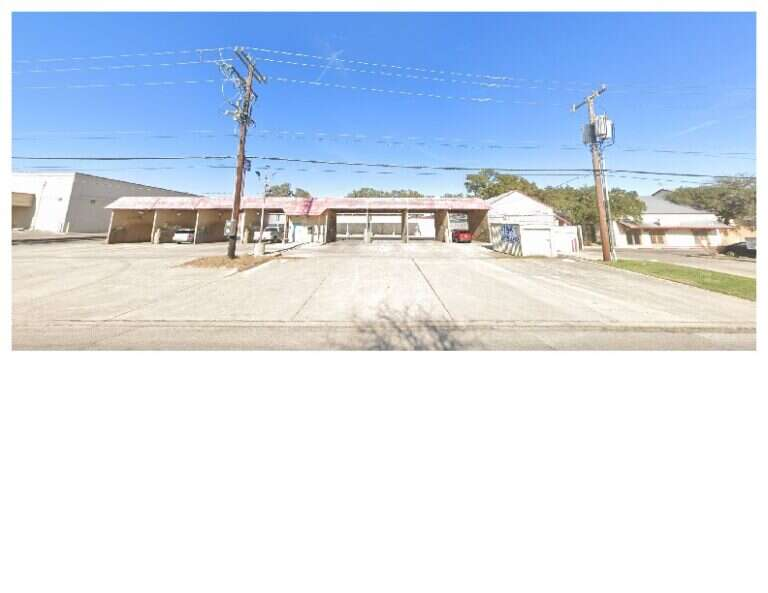
Asking price $399,000 · Closed July 2022
Asking price $395,000 · Closed October 2021
We also work these.
What is changing in Texas land, water and growth, explained for owners, not insiders.

TxDOT taking part of your Texas land? See what the state pays for, which losses it doesn't count, how the process runs, and when…

Selling a Texas shopping center? See how a careful buyer rebuilds your income, which fixes can pay off, and how to handle tenant estoppels…

Buying your first Texas shopping center? See how vacancy, taxes and loan terms can turn a 7.5% return into 5%, and what to check…

A 15-minute call. Tell him what you own or what you want to buy. He will tell you what he sees, good and bad. No cost, no pressure.
Talk to Rexor call 210-823-3721
We Are Ready To Help You In Making Smart Real Estate Decisions
Whether you have questions about commercial real estate, need advice on your next investment, or are ready to take the next step, we’re here to help. At Blue Collar Commercial Group of New Braunfels, we pride ourselves on providing personalized, expert guidance at every step. Fill out the contact form, and we’ll get back to you promptly to discuss how we can work together to achieve your goals. Let’s start the conversation today!
Local commercial real estate news and new listings, once a month.