
SoldSpecial Purpose
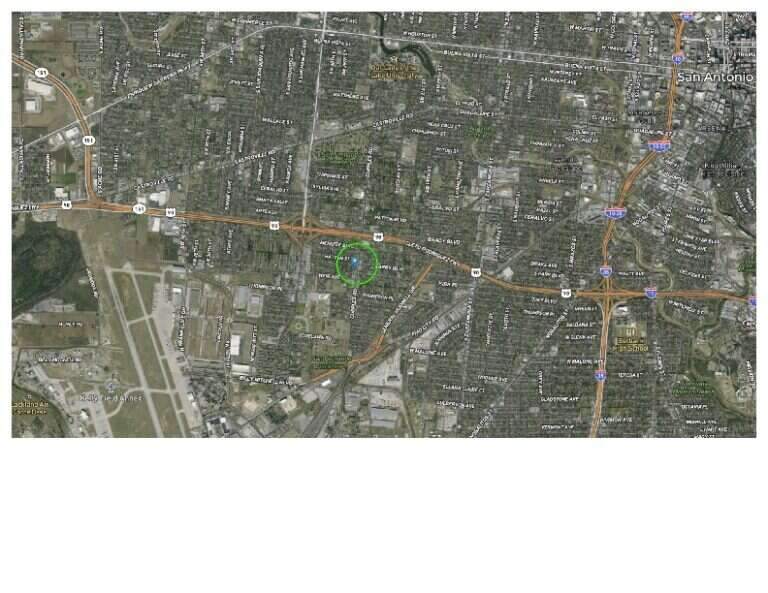
1018 Cupples Rd, San Antonio
Asking price $399,000 · Closed July 2022
Special Purpose for Landlords in San Antonio & New Braunfels Metro
Talk to Rex about special purposeFilling a single-use facility across New Braunfels, Boerne, or Spring Branch requires targeting operators whose equipment and workflow match your building’s exact physical footprint. Blue Collar Commercial Group audits your utility service, water rights, and municipal zoning to position your space directly in front of vetted commercial operators. We underwrite tenant financial statements and negotiate lease covenants that protect your building’s long-term utility. Share your property details with our team, and we will outline a realistic leasing strategy for your facility.
Special purpose vacancies tend to resolve on precise operational alignment and credit depth rather than broad market exposure, because the qualified tenant pool for a single-use building is inherently narrow. Properties configured for specialized commercial activities—such as cold-storage warehouses, commercial kitchens, automotive repair centers, and private school campuses—cannot rely on generic commercial marketing. Finding the right tenant means identifying operators who value the installed infrastructure enough to fund a sustainable base rent without demanding costly structural alterations.
Our advisory practice starts on the dirt, where we evaluate heavy power feeds, three-phase electrical panels, commercial septic absorption fields, and municipal occupancy permits before drafting marketing materials. When dealing with specialized acreage in Comal County or along the Highway 46 corridor, we separate the intrinsic value of the real estate from the previous operator’s business cash flow. This separation gives landlords a defensible leasing baseline that holds up during tenant negotiations.
Leasing out a purpose-built facility without representation leaves an owner exposed to protracted carrying costs and outsized tenant improvement requests. Specialized buildings carry distinct physical overhead, from specialized fire suppression compliance to heavy wastewater permitting, meaning an unqualified prospect can tie up a property during due diligence only to fail municipal occupancy checks. Retaining an advisor aligns your asset’s technical specifications with solvent businesses that need your exact layout.
Securing an operator brings real operational risk if the lease does not address deferred maintenance on specialized systems or restoration obligations at move-out. We structure triple-net lease agreements that define maintenance thresholds, operational compliance, and security requirements to protect the owner from inheriting an unmarketable building at the end of the term.
Specialized properties do not lease through basic listing boards because standard commercial tenants cannot use the infrastructure. We actively market directly to regional fleet managers, food processors, clinical operators, and trade businesses seeking operational space in Comal and Guadalupe counties. This targeted approach connects your building with decision-makers who recognize the cost savings of moving into a turnkey facility.
When the tenant pool is small, an owner cannot afford to sign a business with questionable balance sheets. We analyze prospective tenant profit-and-loss statements, corporate tax returns, and operating histories to verify their ability to support the rent. Thorough credit vetting ensures the business can navigate operational downturns without defaulting on its occupancy commitments.
Tenants often request alterations that compromise the building's underlying utility for future users. We negotiate work letters and tenant improvement caps that prevent structural damage and keep the facility functional for the broad market. Setting strict modification limits protects your equity if you ever need to re-lease the space to a different industry.
Single-use facilities require extended commitments to amortize specialized setup costs and offset marketing downtime. We structure long-term leases with contractual rent escalations and clear renewal mechanisms. Securing multi-year occupancy creates predictable cash flow and insulates the owner from localized leasing cycles.
Commercial facilities often run up against municipal utility caps, grease trap capacities, or parking constraints during tenant occupancy changes. We confirm Edwards Aquifer recharge zone rules, city zoning overlays, and county septic permits before a lease is drafted. Establishing these boundaries early keeps deals from falling apart at the city permit desk.
The core challenge for any specialized facility owner is managing vacancy downtime while searching for a compatible tenant. Because these buildings cannot accommodate general retail or standard corporate desks without major capital outlays, marketing periods tend to exceed those of conventional commercial real estate. Every month of carrying debt service, insurance, and property taxes reduces net operational yield.
Owners must also contend with the threat of facility obsolescence when changing municipal codes or environmental standards limit previous commercial permissions. We evaluate whether your building retains grandfathered rights or requires adaptive-reuse positioning to attract complementary commercial uses if a direct replacement operator is unavailable.
Single-occupant layouts require finding an operator with an identical functional need, which naturally limits monthly inquiry volume. During this search, the landlord continues carrying the note, property taxes, and utility base charges. We counter long vacancy periods by pricing realistically against regional supply and marketing across adjacent industry sectors.
Prospective tenants frequently request heavy capital allowances for equipment hookups, floor drainage, or specialized venting that add zero residual value to the real estate. If that tenant vacates, the landlord is left with sunk capital and custom modifications that the next business cannot use. We structure leases where specialized modifications are financed directly by the tenant.
Bringing a new commercial operator into an existing building often triggers updated city building codes, environmental reviews, or traffic impact studies. In municipalities like San Marcos or Seguin, changes in use can prompt mandatory utility upgrades. We identify these regulatory hurdles before lease execution so they do not stall rent commencement.
Most specialized commercial properties are single-tenant buildings, meaning occupancy is all or nothing. A business failure by the sole occupant wipes out the entire revenue stream of the asset overnight. We mitigate this concentration risk by requiring strong corporate balance sheets or personal guaranties from prospective operators.
When an industrial or service operator moves out, removing specialized machinery, chemicals, or custom fixtures can leave behind physical damage. Without strong lease language, landlords face substantial repair costs simply to return the space to leasable condition. We draft clear decommissioning and restoration covenants that place full financial responsibility on the departing tenant.
A well-structured lease for a purpose-built facility protects the physical asset while establishing an enforceable division of operational responsibilities. Because the tenant’s day-to-day operations place distinct demands on plumbing, electrical panels, and floor loads, standard commercial forms fail to address the critical friction points. Clear lease language prevents operational disputes and protects building infrastructure.
Landlords must pay close attention to environmental liabilities and operational compliance, particularly when handling automotive uses, chemical storage, or food manufacturing. We inspect properties alongside owners to ensure every lease includes robust indemnification covenants, proper insurance certificates, and clear definitions of operating expense pass-throughs.
A specialized commercial facility left dark suffers deferred maintenance, security vulnerabilities, and potential loss of non-conforming zoning permits. Leases should mandate that the tenant continuously operate their business throughout the term rather than merely paying rent while leaving the building empty. This clause ensures the facility remains maintained and compliant with local utility requirements.
Operating costs for facilities with exterior yards, detention ponds, and specialized mechanicals fluctuate significantly over multi-year cycles. A true triple-net lease assigns property taxes, building insurance, and routine physical maintenance directly to the tenant. This lease structure protects the owner's net operating income from municipal tax reassessments and insurance rate shifts.
Tenants must be legally obligated to restore the premises to a clean baseline when their occupancy concludes, removing trade fixtures without damaging structural elements. The agreement should specify whether custom mechanical additions remain property of the landlord or must be removed by the tenant. Defining these surrender terms prevents costly cleanout bills after lease expiration.
Because specialized replacement tenants are scarce, financial security behind the lease is paramount. Landlords should require parent-company guaranties, multi-month security deposits, or letters of credit from banking institutions. Securing adequate lease guaranties ensures the landlord has financial recourse if the tenant experiences an operational disruption.
Allowing broad subleasing rights can result in an unvetted operator occupying your specialized facility with high-impact equipment. The lease must strictly define the permitted use and require prior landlord written approval for any assignment or sublet. Restricting operational changes protects the building from unapproved commercial uses that could void insurance coverage.
Facilities that handle heavy machinery, chemicals, or grease disposal present ongoing environmental exposure under local and state codes. The lease must include comprehensive indemnification clauses holding the tenant liable for any contamination or code violations originating during their occupancy. Verifying mandatory environmental reporting shields the underlying property title from liens.
Leasing out specialized commercial space requires a methodical process that balances technical facility evaluation with targeted regional outreach. We do not rely on standard passive listings; we inspect the property, review county deeds, and assess regional infrastructure to determine the exact universe of qualified commercial users. Our advisory approach ensures that your facility is presented with clear operational specifications from the first meeting.
Throughout each stage of the transaction, we focus on minimizing lease negotiation friction and shielding the owner from uncreditworthy prospects. By managing communication between municipal authorities, commercial contractors, and prospective tenant principals, we guide the deal from initial walk-through to rent commencement.
We begin by walking your facility to evaluate its current physical condition, installed infrastructure, and your financial objectives for the property. Our team reviews county records, water service agreements, and tax valuations to establish a realistic baseline. This initial discovery ensures our leasing strategy aligns directly with your hold horizon and risk tolerance.
We analyze closed lease transactions and active listings across Comal, Hays, and Bexar counties to set a competitive rental rate. Our valuation separates the real estate's physical utility from specific business machinery to determine what operators will pay for the space. We then frame an offering structure that highlights installed capacity, clear heights, and utility service.
Our outreach targets operational businesses, trade services, and expanding regional companies looking for specialized space along the I-35 and Highway 46 corridors. We present the property's technical specifications directly to corporate decision-makers and regional site selectors. This proactive sourcing reaches businesses that standard commercial marketing channels routinely miss.
Before scheduling extensive walk-throughs, we screen prospective operators to confirm their financial strength and operational compatibility. We examine their business model, historical financials, and municipal zoning compatibility to ensure they can legally operate on the site. Thorough prospect vetting protects the landlord from wasting time on undercapitalized operators.
We manage the letter of intent process, negotiating base rental rates, escalations, operating expense obligations, and improvement allowances. Our team ensures that maintenance boundaries, restoration terms, and lease guaranties are clearly defined before legal drafting begins. Strategic negotiation keeps the deal moving forward while protecting your property's net income.
We coordinate document signing, security deposit collection, and key turnover alongside your legal counsel to confirm every pre-occupancy condition is met. Once the tenant is in place, we establish a schedule for tracking lease options, contractual rent bumps, and future renewal timelines. Planning for the next lease cycle early prevents unexpected downtime when the initial term concludes.
Our leasing advisory practice represents property owners across Central Texas who hold unique, single-occupant commercial buildings and operational acreage. Whether you have operated a business on the dirt for decades or acquired a facility through an investment portfolio, leasing out a specialized building requires a customized approach based on your financial goals. We tailor our marketing and lease terms to fit the owner’s operational background.
Many landlords we work with face decisions regarding whether to lease the facility to an identical trade operator or adapt the site for clean industrial or storage uses. We evaluate the trade-offs between capital expenditure, downtime, and long-term rental income so you can make informed leasing choices.
Business owners stepping away from daily operations who want to retain the underlying real estate for long-term rental income. These landlords understand their building's equipment and utility capacity but need representation to structure arm's-length commercial leases with third-party operators. We help them convert operational buildings into dependable, hands-off income streams.
Investors who acquire vacant or partially leased specialized commercial properties to add value through repositioning or finding strong replacement tenants. These owners require clear market data, local zoning insights, and fast tenant placement to satisfy debt service obligations. We provide the regional market intelligence needed to secure reliable commercial occupants.
Property owners who have inherited a purpose-built commercial building or transitioned from residential rentals to commercial land holdings. These landlords need guidance on triple-net lease structures, tenant expense reconciliations, and long-term property maintenance oversight. We guide them through the commercial leasing process to prevent costly administrative missteps.
Landlords holding older specialized structures—such as former agricultural distribution sheds, processing facilities, or repair barns—seeking new commercial uses. These owners need an advisor who can evaluate building bones, parking capacities, and zoning codes to attract modern light industrial or assembly tenants. We position these properties to broaden the prospective tenant pool.
Owners of land tracts featuring specialized infrastructure, such as stabilized caliche yards, heavy security fencing, high-capacity water wells, or weigh stations. These properties appeal to logistics, utility, and heavy equipment operators seeking commercial ground or operational bases. We connect these landowners with regional industrial tenants looking for secure yards along major corridors.
Leasing out single-use and specialized commercial properties raises distinct operational and financial questions for owners. From calculating realistic carrying timelines to determining how much capital to invest in tenant improvements, owners need clear answers before bringing a space to market. We address the core considerations that affect your bottom line.
Understanding how lease structures, credit enhancements, and municipal codes intersect is essential for protecting your property. Below are the common inquiries we answer when consulting with facility owners across Comal County and the surrounding Texas Hill Country.
Pricing a specialized commercial property requires evaluating the replacement cost of installed infrastructure rather than relying solely on general commercial comps. We look at three-phase power service, clear heights, wastewater capacity, and site access to determine the operational value the building provides to an active business. We also assess what nearby standard industrial spaces rent for to ensure our rate remains competitive for businesses weighing building modifications against your move-in-ready facility.
A triple-net lease shifts property taxes, insurance, and routine maintenance directly to the tenant, protecting the landlord from unexpected operating cost spikes. In a modified gross lease, the owner pays property taxes and building insurance out of the base rent, absorbing the risk of tax reassessments or insurance increases. For specialized buildings where equipment usage and facility wear vary dramatically by business, a triple-net structure is standard because it aligns physical operating costs directly with the tenant using the space.
Tenant improvement allowances should be limited to universal structural improvements that enhance the building’s long-term marketability, such as roof integrity, electrical service upgrades, or concrete apron repairs. Landlords should avoid funding custom fixtures or specialized trade modifications that only serve the incoming business. If an operator requires custom plumbing or specialized ventilation, that capital is best funded directly by the tenant or amortized through additional rent secured by a strong corporate guaranty.
When specialized properties experience extended vacancy, we evaluate whether to broaden the target market by offering adaptive-reuse options or dividing the space for multi-tenant use. We examine whether minor modifications would open the property to service contractors, light assembly, or commercial storage users who need yard space and heavy power. Exploring adaptive-reuse paths prevents an owner from being entirely dependent on a single industry during economic shifts.
For privately held companies without public reporting, we require multiple years of verified business tax returns, bank balance statements, and audited financial summaries. We also evaluate the operator’s track record in their specific trade and examine their existing client contracts or supplier relationships. When a business is expanding into a larger footprint, securing a personal guaranty from the business principals provides essential credit backing.
Term length is the primary tool landlords use to balance the risk of specialized real estate. Because remarketing a specialized building requires substantial lead time and carrying capital, short leases expose owners to recurring downtime. Securing a multi-year term ensures predictable cash flow, covers any agreed landlord improvements, and provides the stability needed to maintain long-term property value.
Municipal zoning codes and environmental overlays can significantly restrict which operators may legally occupy your building. Across Comal County and surrounding areas, properties within the Edwards Aquifer recharge zone face strict limitations on hazardous materials, surface runoff, and wastewater volume. We review local zoning ordinances and environmental rules prior to marketing to ensure every prospective tenant’s use conforms to local law.
A specialized commercial property held for business or investment purposes qualifies for tax-deferred treatment under a 1031 exchange upon disposition. The replacement real estate must meet statutory like-kind requirements, and strict administrative deadlines govern the identification and closing of the replacement asset. Because exchange rules require engaging an independent intermediary prior to closing, consulting with your CPA or qualified tax advisor will confirm your eligibility and filing requirements.
Each sale shows the asking price, and the closing date when we have it.
Asking price $399,000 · Closed July 2022
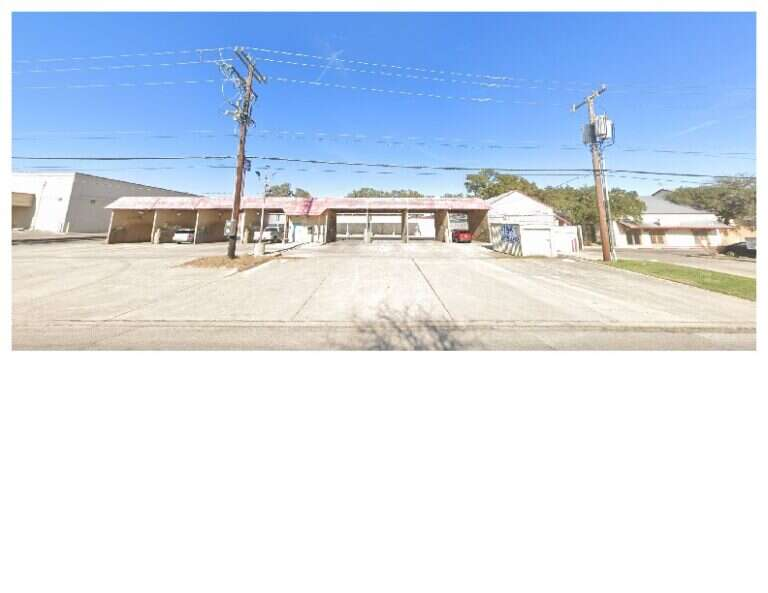
Asking price $395,000 · Closed October 2021
We also work these.
What is changing in Texas land, water and growth, explained for owners, not insiders.

TxDOT taking part of your Texas land? See what the state pays for, which losses it doesn't count, how the process runs, and when…

Selling a Texas shopping center? See how a careful buyer rebuilds your income, which fixes can pay off, and how to handle tenant estoppels…

Buying your first Texas shopping center? See how vacancy, taxes and loan terms can turn a 7.5% return into 5%, and what to check…

A 15-minute call. Tell him what you own or what you want to buy. He will tell you what he sees, good and bad. No cost, no pressure.
Talk to Rexor call 210-823-3721
We Are Ready To Help You In Making Smart Real Estate Decisions
Whether you have questions about commercial real estate, need advice on your next investment, or are ready to take the next step, we’re here to help. At Blue Collar Commercial Group of New Braunfels, we pride ourselves on providing personalized, expert guidance at every step. Fill out the contact form, and we’ll get back to you promptly to discuss how we can work together to achieve your goals. Let’s start the conversation today!
Local commercial real estate news and new listings, once a month.