
SoldSpecial Purpose
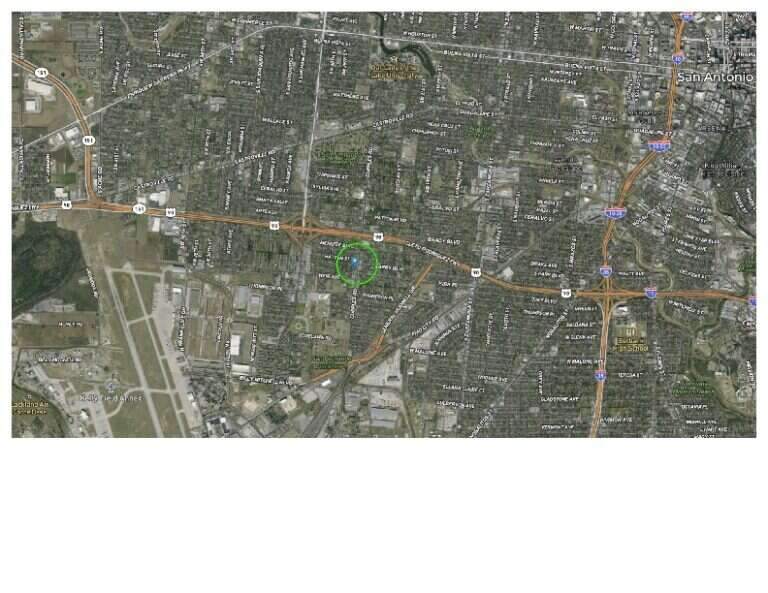
1018 Cupples Rd, San Antonio
Asking price $399,000 · Closed July 2022
Special Purpose for Buyers in San Antonio & New Braunfels Metro
Talk to Rex about special purposeFinding the right special purpose property across New Braunfels, Boerne, and Seguin means looking past surface build-outs to inspect the actual utility taps, zoning allowances, and site access. We pull Comal, Hays, and Guadalupe county records, walk the property boundaries with you, and verify municipal utility capacities before you write an earnest money check. Whether you are expanding an operating company, purchasing a specialized site for conversion, or deploying capital along the I-35 and Highway 46 corridors, we help you evaluate the real asset value. Review available properties with our team to start your acquisition search.
Special purpose property acquisitions depend on separating the real estate’s underlying physical infrastructure from the operational business running inside it. Across the Texas Hill Country, buyers target properties such as commercial event venues, cold-storage distribution sites, automotive service centers, private schools, and worship facilities. Each of these property types features dedicated site improvements that dictate how an owner can run their business or reposition the acreage. We walk the physical improvements alongside you to inspect commercial septic systems, power feeds, and drainage channels before you commit your balance sheet.
Acquiring single-use assets requires reviewing local ordinances and environmental rules as closely as the purchase agreement. In areas near the Edwards Aquifer recharge zone and unincorporated portions of Comal and Hays counties, municipal utilities may end several miles down the road, leaving operations dependent on permitted water wells and engineered waste solutions. We research utility district boundaries, verify deed restrictions, and check roadway access permits with state and county road departments. That disciplined field work reveals whether a specialized facility can support your intended operational capacity.
Purchasing specialized commercial real estate allows an owner-occupant or commercial buyer to acquire critical operational infrastructure that would take years and substantial capital to permit and construct from raw ground. Facilities featuring installed three-phase electric services, heavy concrete yard paving, commercial kitchens, or specialized vehicle bays offer immediate operational utility. By acquiring an existing facility, buyers avoid protracted municipal utility extension negotiations and site development delays along competitive Texas corridors.
While specialized facilities provide high functional utility for matching operations, buyers must weigh the re-tenanting and liquidity risks inherent in custom architecture. If a primary operational model shifts, converting specialized improvements to general industrial or retail space often requires structural alterations and municipal re-permitting. We examine the functional layout against broader market demand to confirm the dirt maintains value under multiple operating scenarios.
Acquiring an existing facility with installed drainage systems, high-volume electrical service, or structural cold rooms bypasses lengthy utility connection wait times. Sourcing these components in raw ground developments demands substantial capital outlays and complex engineering reviews. Purchasing an operational footprint puts your business in place without building from scratch. That head start preserves working capital for your ongoing operations.
Permitting special commercial uses near sensitive watershed areas or county boundaries involves rigorous regulatory oversight. Established properties frequently hold legal nonconforming rights or grandfathered utility tap agreements that remain tied to the parcel. Securing an existing site ensures access to these operational entitlements from the day of closing. Those approvals protect your operation from shifting municipal zoning restrictions.
Constructing specialized foundations, heavy-load parking pads, or clear-span structural steel commands premium material and labor costs. Older specialized assets frequently sell at pricing well below the expense required to assemble land and build comparable square footage today. Buyers can allocate capital toward business expansion rather than construction inflation. That favorable pricing basis improves overall enterprise return on investment.
Parcels fronting major thoroughfares like Highway 46, I-35, and primary county arteries offer visibility that raw interior tracts cannot match. Established special purpose assets often hold grandfathered curb cuts and deceleration lanes that transportation departments rarely grant to new builders. Controlled physical access provides safety and accessibility for heavy vehicles, staff, and customers. That highway presence supports sustained customer traffic for operational businesses.
Owning a custom commercial facility protects an operating company from escalating lease rates and landlord termination disputes. Direct ownership allows modifications to interior floor plans, mechanical equipment, and exterior staging areas without external approval. Capital spent on physical improvements builds equity on your company balance sheet rather than enriching a property owner. That long-term stability gives business operators security over their primary place of business.
Acquiring special purpose properties presents distinct underwriting hurdles that do not exist with standardized office or retail assets. Because these buildings are configured for unique workflows, commercial lenders inspect the operational viability of the occupant alongside the physical property. Traditional valuation techniques struggle when local comparable sales are scarce, forcing appraisers to lean on depreciated replacement cost calculations or regional operating benchmarks.
We solve these underwriting roadblocks by assembling detailed diligence files that articulate the site’s replacement economics, utility verifications, and alternative land use options to local lenders. Reviewing septic engineering records, Edwards Aquifer compliance documents, and water district meters allows buyers to negotiate from an objective, data-backed stance. That thorough preparation keeps your acquisition moving toward a successful closing.
Traditional lenders often view single-use real estate as higher credit risk because re-leasing a vacant specialized building takes time. Underwriters require clear proof that the business generates reliable income to cover debt obligations with substantial margin. We provide lenders with local sales records, utility replacement valuations, and market data that support the loan request. That grounded documentation expands your access to competitive commercial financing.
A building designed around vehicle lifts, commercial walk-in freezers, or auditorium seating appeals to a narrower buyer pool than standard warehouse bays. If an owner must divest quickly, marketing timelines extend while searching for an operator in the same industry. We evaluate the property's underlying industrial or commercial zoning to confirm adaptability for general uses. Knowing your exit alternatives protects your invested capital across changing economic conditions.
Properties operating on on-site wastewater systems or commercial water wells must satisfy state and county health standards during an ownership transfer. Expansions in regulated watershed zones can trigger strict impervious cover limits that cap outdoor storage or parking additions. We pull health department inspection records and aquifer recharge maps early in contract review. This diligence prevents unexpected capital outlays after you take title.
Many special purpose operations run under conditional use permits or municipal variances that terminate when ownership changes hands. Assuming a property can continue its historic operation without reviewing city code can lead to immediate operational halts. We contact local planning departments in cities like New Braunfels, Boerne, and San Marcos to verify permit transferability. That verification confirms your business can open its doors without regulatory delay.
Specialized properties often feature heavy mechanical infrastructure, including industrial grease traps, commercial HVAC packages, and specialized fire suppression pumps. Repairing or replacing specialized equipment demands skilled commercial contractors and significant capital expense. We coordinate independent inspections of every central operational system before contractual deadlines pass. Uncovering equipment wear during escrow gives you leverage to request seller credits.
Inspecting a special purpose property requires looking deep into physical utilities, civil engineering improvements, and county land use files. Standard property walkthroughs rarely expose inadequate water pressure, undersized electrical transformers, or unrecorded utility easements that constrain operational growth. A buyer must inspect the land itself—verifying soil stability, drainage pathways, and commercial access easements before finalizing contract terms.
Our advisory approach focuses on verifying infrastructure that cannot easily be added after purchase. We inspect service capacity directly with utility co-ops, verify on-site wastewater licensing, and check deed restrictions across Comal, Guadalupe, and Hays county clerk records. Reviewing these mechanical and legal details early preserves capital and prevents costly operational surprises.
Review incoming electrical panels to verify service voltage, phase balance, and transformer sizing for heavy commercial equipment. Expanding power service on rural roads requires cooperative approval and often involves waiting through extended supply delivery timelines. Confirming existing panel capacity ensures your specialized machinery can run without expensive electrical upgrades. That inspection prevents unexpected operational delays at move-in.
Examine water meter size, static flow rates, and whether sewage is managed by a municipal provider or an on-site commercial septic system. Facilities with high water demand need proof of active water rights or verified utility district allocations. Inspecting past maintenance logs and septic permits protects against system failures under heavy business use. That physical review confirms the property can handle your operational volume.
Check current impervious cover percentages against watershed conservation guidelines and local municipal ordinances. Sites that have reached their allowable paved limit cannot add vehicle parking, storage buildings, or building expansions without extensive variance approvals. Verifying remaining site capacity ensures your business has room to expand over time. That calculation protects future property utility.
Inspect legal access points to verify that driveways meet commercial sight-distance standards and carry proper state transportation permits. Facilities serving heavy trucks or frequent customer vehicles require deceleration lanes and wide turning radiuses to operate safely. Confirming permitted curb cuts avoids costly highway access disputes with transportation authorities. Safe physical access directly supports reliable daily business flow.
Measure internal ceiling heights and structural column spacing to determine whether the open space accommodates alternative equipment or racking configurations. Custom interior partitions can hide load-bearing limitations that hinder space reconfiguration. Verifying structural layout flexibility ensures the building can adapt if your manufacturing or storage needs change. That structural versatility supports long-term property value.
Review historical title records, past business operations, and previous environmental reports to check for hazardous substance storage or chemical runoff. Automotive centers, dry cleaners, and chemical storage facilities require comprehensive environmental review to verify clean ground conditions. Obtaining baseline environmental clearance protects a buyer from inherited remediation liabilities. That diligence gives your lending partner confidence to fund the deal.
Acquiring a specialized commercial property demands an orderly acquisition roadmap tailored to complex operational requirements. We guide owner-occupants, regional businesses, and commercial investors through an advisory framework built around local market verification. Every phase—from defining technical facility requirements to coordinating closing escrow—relies on concrete utility data and county records.
We walk prospective facilities with your team, cross-reference municipal code books, and present lenders with clear property valuations that stand up to institutional underwriting. By focusing on site-level realities rather than promotional listing flyers, we help you complete transactions with clarity. Our structured acquisition sequence keeps your project moving smoothly from initial review to final deed transfer.
We meet to outline your operational parameters, power demands, required acreage, ceiling heights, and preferred transportation corridors. Defining required utility thresholds early prevents wasting time touring properties that cannot support your business machinery. We establish clear financial return targets and capital budgets for retrofitting existing improvements. This foundational review shapes a focused search across target submarkets.
Our team reviews on-market listings, private owner portfolios, and county tax rolls across Comal, Guadalupe, and Hays counties. We filter prospective properties by checking municipal utility lines, roadway access permits, and aquifer protection boundaries. Narrowing candidates based on utility realities eliminates sites with hidden development barriers. That screening delivers a verified list of viable acquisition candidates.
We evaluate current land sales, depreciated structural replacement costs, and local business valuations to build a sensible purchase offer. Our team assesses how existing improvements compare against the expense of raw land development. We review potential debt structures with commercial lenders familiar with special purpose underwriting. This financial preparation produces a pricing strategy rooted in practical asset value.
We tour target facilities together, inspecting mechanical equipment, site drainage paths, clear-span integrity, and vehicle staging areas. Our advisors look for signs of structural settling, drainage issues, or unpermitted additions that require professional assessment. Walking the dirt gives you clear perspective on practical site functionality before making commitments. That physical evaluation validates whether a property meets your daily operating needs.
We draft comprehensive purchase contracts that include detailed feasibility study periods, utility verification contingencies, and environmental review timelines. Our team negotiates commercial terms, earnest money escrow schedules, and seller documentation requirements. We protect your deposit by tying earnest money release to satisfactory infrastructure verifications. That careful negotiation safeguards your capital throughout contract discussions.
During the escrow period, we coordinate environmental site assessors, commercial septic inspectors, structural engineers, and title attorneys. We review title commitments for restrictive covenants, verify boundary surveys, and resolve utility easement questions before closing. Our team coordinates closing paperwork alongside your escrow officer to ensure an orderly transfer of title. That diligent coordination confirms a clean transfer of the property.
Special purpose real estate serves diverse commercial buyers who require functional physical improvements rather than uniform office layouts or retail storefronts. Because these properties feature specialized build-outs, purchasing decisions center on immediate utility, replacement cost savings, and regulatory continuity. We advise owner-occupiers, growing local businesses, and private investors who evaluate property based on operational performance.
Whether you are acquiring a facility for an expanding regional service fleet, converting a worship center for educational use, or exchanging proceeds into a commercial facility, acquisition criteria remain distinct. We tailor our search strategy, technical diligence, and valuation modeling to match your operational objectives. Review the buyer profiles below to evaluate how our advisory approach supports your acquisition.
Commercial businesses needing extensive yard storage, vehicle bays, or high electrical service capacity benefit from acquiring existing operational facilities. Owning the real estate eliminates landlord lease renegotiation headaches and locks in long-term occupancy costs. We locate commercial assets along key Hill Country transportation routes with proven utility capacities. This ownership model provides security for growing commercial enterprises.
Business operators purchasing their first commercial facility need guidance assessing mechanical condition, reserve budgets, and long-term operating costs. We explain property tax assessments, commercial insurance policies, and utility maintenance so you know what ownership costs beyond debt service. Our team walks you through every contract milestone to demystify commercial diligence. That practical support gives new commercial owners clarity from tour to title.
Private commercial investors target underperforming specialized buildings to convert them into general light industrial, flex space, or multi-tenant commercial centers. Success depends on purchasing at an attractive price per square foot and confirming zoning allows use conversion. We verify municipal re-permitting guidelines, fire safety requirements, and structural retrofit feasibility. That strategic analysis reveals untapped asset repositioning potential.
Schools, assembly operators, and private recreational organizations require specialized floor plans with high-occupancy assembly rooms, extensive parking, and ADA accessibility. Building these campuses from the ground up requires navigating complicated city approvals and neighborhood hearings. We source existing assembly facilities with compliant building envelopes and established parking infrastructure. That targeted sourcing accelerates your operational opening timeline.
Commercial investors completing a tax-deferred exchange into specialized real estate often seek single-tenant properties with stable operating histories. Replacing debt and equity within statutory timelines demands efficient sourcing and immediate access to property files. We present off-market and listed properties with clear utility documentation to facilitate swift underwriting. That focused approach helps exchange investors meet critical transaction milestones.
Purchasing specialized commercial real estate brings up complex technical, environmental, and financial questions. Because single-use properties diverge from conventional warehouse or retail boxes, buyers must understand how lenders, municipal planners, and appraisers treat these distinct improvements. Reviewing these considerations before executing a commercial purchase agreement helps buyers protect their capital.
We have assembled direct answers to the most common questions buyers ask when evaluating special purpose properties across Comal, Guadalupe, and Hays counties. If your acquisition involves unique infrastructure, water rights, or zoning permits not covered below, reach out to our team directly. We are ready to provide the clear market facts you need.
Special purpose real estate is designed for a single operational function—such as an automotive center, commercial cold storage facility, or private school—whereas industrial space offers flexible open warehouse bays suitable for generic storage or distribution. Converting special purpose buildings to other uses requires significant capital expense and municipal re-permitting, while standard industrial buildings adapt easily to different tenants. Consequently, special purpose buyers focus primarily on operational fit and replacement cost rather than generic rental rates.
Commercial lenders evaluate the financial strength and cash flow of the operating business alongside the physical real estate. Underwriters typically require lower loan-to-value ratios and higher debt service coverage margins because specialized buildings are more difficult to re-tenant after a vacancy. Lenders frequently request specialized appraisals that emphasize depreciated replacement cost alongside local comparable sales.
Buyers must verify active electrical transformer capacity, water meter allocations, commercial septic permits, and fire flow pressure directly with local utility providers. Properties located outside city limits often rely on private water supply corporations or permitted commercial wells that have production limits. Reviewing utility co-op maps and state wastewater authorizations confirms the site can handle your machinery and daily operations.
Yes, any commercial real estate held for productive use in a business or for investment qualifies as replacement property under federal tax-deferred exchange rules. Buyers must ensure that transactions adhere to statutory identification and closing deadlines that begin immediately upon transferring the relinquished property. Engaging a qualified intermediary before closing the sale of your current property is legally required, and consulting your CPA can confirm the specifics for your position.
Properties located over the Edwards Aquifer recharge or contributing zones must adhere to strict state environmental regulations that limit impervious ground cover and govern chemical storage. Developing new parking areas or handling regulated substances requires submitting an engineered water pollution abatement plan to state regulators. Reviewing environmental compliance history during contract diligence confirms whether past operations complied with all environmental rules.
Because recent comparable sales of matching specialized facilities are often scarce, appraisers rely heavily on the cost approach, estimating the current land value and adding the depreciated cost of all site improvements. When an established operating business occupies the facility, appraisers may also review historical net operating income to establish value through the income capitalization approach. Understanding which methodology an appraiser selects helps buyers negotiate realistic purchase prices.
Conditional use permits and municipal zoning variances often carry specific restrictions that do not automatically transfer to a new owner upon closing. Municipalities like New Braunfels and Boerne may require a new operational review, public hearings, or updated site buffering before reissuing operational authorizations. Confirming municipal permit transfer requirements during the feasibility period ensures your business will not face unexpected closure notices.
First-time commercial buyers should hold sufficient liquid reserves to cover several months of mortgage payments, property taxes, commercial insurance, and unanticipated mechanical repairs. Specialized commercial systems such as commercial HVAC packages or private lift stations can fail suddenly and demand immediate capital outlays. Maintaining adequate liquidity ensures the property’s operating income covers debt obligations with room to spare even during unexpected operational disruptions.
Each sale shows the asking price, and the closing date when we have it.
Asking price $399,000 · Closed July 2022
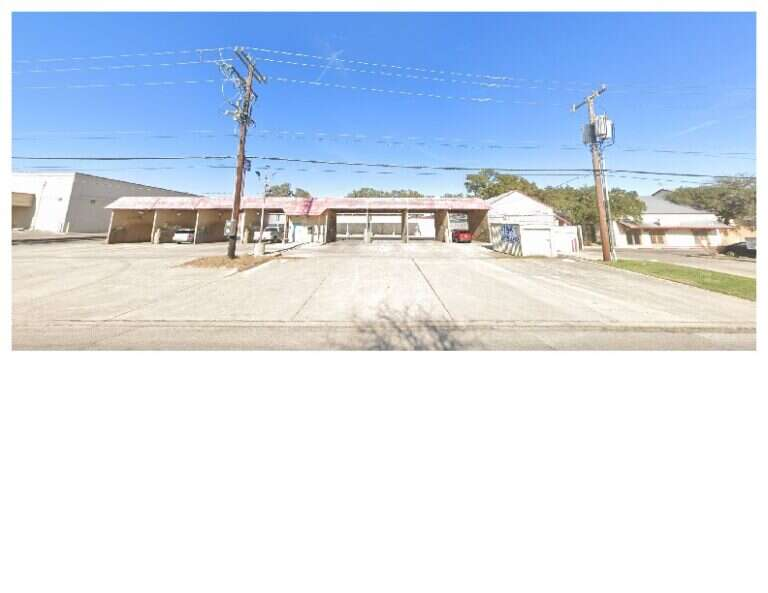
Asking price $395,000 · Closed October 2021
We also work these.
What is changing in Texas land, water and growth, explained for owners, not insiders.

TxDOT taking part of your Texas land? See what the state pays for, which losses it doesn't count, how the process runs, and when…

Selling a Texas shopping center? See how a careful buyer rebuilds your income, which fixes can pay off, and how to handle tenant estoppels…

Buying your first Texas shopping center? See how vacancy, taxes and loan terms can turn a 7.5% return into 5%, and what to check…

A 15-minute call. Tell him what you own or what you want to buy. He will tell you what he sees, good and bad. No cost, no pressure.
Talk to Rexor call 210-823-3721
We Are Ready To Help You In Making Smart Real Estate Decisions
Whether you have questions about commercial real estate, need advice on your next investment, or are ready to take the next step, we’re here to help. At Blue Collar Commercial Group of New Braunfels, we pride ourselves on providing personalized, expert guidance at every step. Fill out the contact form, and we’ll get back to you promptly to discuss how we can work together to achieve your goals. Let’s start the conversation today!
Local commercial real estate news and new listings, once a month.