

SoldRetail
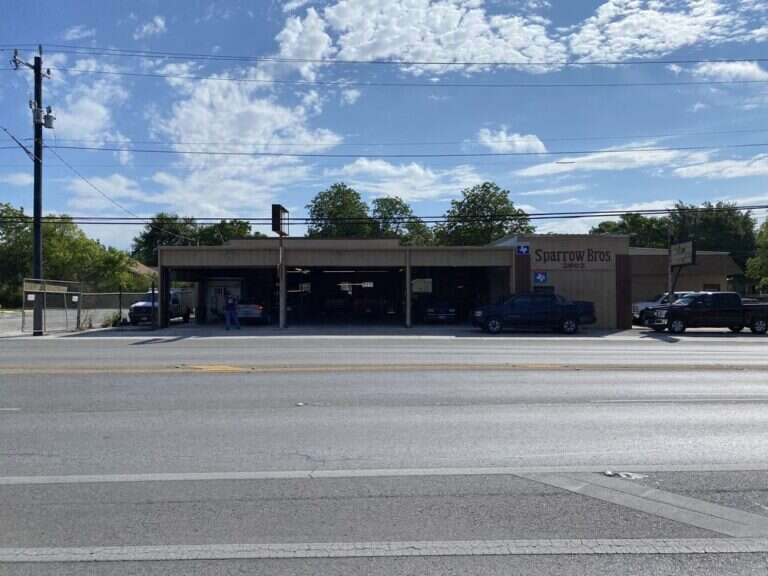
214 W. Sealy, Monahans
Asking price $750,000
Retail for Sellers in San Antonio & New Braunfels Metro
Talk to Rex about retailDeciding to sell your retail space—whether you are unwinding a partnership, stepping away from property management, or trading up to a larger strip center—requires a clear picture of what the market will actually pay. We walk storefronts, standalone pads, and retail centers from Seguin to Bulverde and Canyon Lake, reading the leases and verifying the traffic counts before we ever talk price. We give you a straightforward assessment of what your property is worth based on in-place income and physical condition, not what you might hope to hear. Tell us what you are trying to accomplish, and we will map out the steps to get there.
Selling retail property is a valuation-driven process that turns on tenant mix, lease structure, and verifiable traffic counts. Owners of strip centers, standalone pads, and neighborhood centers across the San Antonio-Austin corridor weigh the daily demands of property management against the capital they could redeploy elsewhere. A successful exit requires positioning the property for buyers who care more about the reliability of the income stream and the visibility from Highway 46 or I-35 than the architectural details.
Around here, the value of a retail building is tied directly to the businesses inside it and the utility infrastructure beneath it. We dig into the rent roll, check municipal water capacity, and review co-tenancy clauses to see exactly what a buyer will underwrite. Sometimes a property needs a lease extension from an anchor tenant to hit the right price, and if that is the case, we tell you before we list it. Our job is to surface the physical and financial realities of your site so you can negotiate from a position of strength.
Retail property owners decide to sell for a variety of practical reasons, from management fatigue to shifting investment goals. A fully leased strip center in New Braunfels or a high-visibility pad in San Marcos holds significant value for buyers looking for steady cash flow, creating a strong exit window for current owners.
Timing a sale often comes down to the expiration dates on your current leases and the physical condition of the building. Selling a property with deferred maintenance or near-term tenant roll carries the risk of a steep buyer discount, as investors will subtract their anticipated capital costs directly from the purchase price. We review your rent roll and property condition to help you decide if selling now makes more sense than funding another round of improvements.
Handling roof repairs, parking lot striping, and daily tenant requests eventually wears on many owners. Selling the asset removes the operational burden and frees up your time for other pursuits. We help owners transition out of active management while protecting the equity they have built.
A stabilized retail property holds equity that could be put to work in a larger center or a different asset class entirely. Selling allows you to access that capital and shift your investment strategy. We evaluate what your property will actually yield in a sale so you can plan your next acquisition.
Changes in a joint venture, estate settlement, or business partnership often force the sale of a shared retail asset. Disposing of the property provides the liquidity needed to divide up the equity fairly. We provide an objective valuation to ensure all parties understand the true market value.
Selling before major anchor tenants vacate or require expensive space updates transfers the leasing risk to the new buyer. Investors will pay a premium for a rent roll that still has term left on the leases. We read your current contracts to identify the optimal window for a sale.
Disposing of a retail asset involves far more than putting a sign on the highway and waiting for offers. Buyers scrutinize every line item of the property’s income, and any discrepancy between the stated rent and the actual collections can derail a transaction late in the process.
The biggest hurdle we see is a mismatch between the seller’s expected value and the buyer’s underwriting of the leases. If a tenant has a history of late payments or the parking lot requires a total resurface, buyers will find it during due diligence. We audit your leases and walk the property to identify these issues upfront, allowing us to address them or price them in before a buyer uses them to drop the price.
Buyers demand proof of collections, not just what the lease document says. If tenants are consistently paying late or skipping expense reimbursements, buyers will lower their valuation. We verify your operating statements against actual deposits to present a defensible income figure.
Roof leaks and failing HVAC units surface during inspections and threaten the closing timeline. Buyers will demand steep credits for structural issues they discover late in the process. We inspect the physical dirt and the building systems early so you are not caught off guard.
In multi-tenant centers, one vacant anchor space can sometimes trigger rent reductions for the remaining smaller tenants. Buyers read the lease clauses carefully to see if their income stream is at risk. We review the underlying leases to flag any co-tenancy clauses before we go to market.
Changes to median cuts or highway expansions can alter how customers enter your site, reducing the property's appeal to retail buyers. Municipal utility constraints can also limit a buyer's ability to bring in new restaurant tenants. We check the local infrastructure plans to see how they impact your site's value.
A retail buyer’s due diligence period is an intensive audit of your property’s physical condition and financial performance. They are looking for assurance that the businesses operating in your building will continue paying rent and that the structure itself will not require immediate, heavy capital.
We prepare our sellers by running the same checks a buyer will perform. We review the exact share of operating expenses your tenants actually reimburse, confirm the capacity of the utility lines, and inspect the condition of the HVAC units. Surfacing this information early prevents buyers from using minor discoveries to renegotiate the deal right before the closing date.
Buyers check exactly which operating costs the tenants cover and which fall to the owner. A lease that leaves the landlord paying for roof repairs and property taxes reduces the net income. We clarify the exact lease structure so buyers know what they are purchasing.
Investors review payment histories to confirm the businesses inside are actually capable of sustaining the rent. A national credit tenant commands a higher price than a local startup with no financial track record. We organize the tenant financials to showcase the stability of your rent roll.
Buyers inspect the physical structure to quantify near-term replacement costs. An aging roof or outdated HVAC units will be subtracted directly from their offer price. We walk the property to identify these capital needs before the buyer's inspector arrives.
Retail thrives on visibility, so buyers verify daily vehicle counts and ensure curb cuts allow easy entry and exit. A site that is difficult to pull into off a busy highway loses value. We highlight the access points and traffic data that support your asking price.
Selling a retail property requires a structured approach that protects your current income while exposing the asset to capable buyers. We guide owners through a deliberate sequence that moves from initial valuation all the way to a clean transfer of ownership.
Our process focuses on doing the hard work before the property ever hits the market. By auditing the leases, checking the dirt, and verifying the numbers early, we eliminate the surprises that typically kill deals in the final weeks. We handle the heavy lifting so you can stay focused on running your business or planning your next move.
We sit down to understand your timeline, your reasons for selling, and what you need from the transaction. We discuss how a sale impacts your current operations and whether you are planning to reinvest the proceeds.
We analyze your rent roll, operating expenses, and comparable sales across Comal and Hays counties. This determines exactly what the market will pay for your property based on its actual income.
We identify minor physical repairs and lease updates that protect your asking price. Addressing deferred maintenance and organizing your financial documents upfront prevents delays later.
We present the property to capable investors while keeping the sale quiet from your current tenants if needed. We require non-disclosure agreements before sharing your detailed financials.
We review incoming bids for financial strength, separating serious buyers from those fishing for a discount. We negotiate the price and terms to ensure the contract aligns with your initial goals.
We manage the inspection timelines, coordinate with title companies, and ensure the buyer's financing stays on track. We push the process forward to secure a smooth transfer of ownership.
We represent owners across New Braunfels, Comal County, and the Hill Country who are ready to transition out of their current retail assets. Our clients range from local business owners selling a single building to investors unwinding larger portfolios.
Whether you are tired of managing a multi-tenant strip center or looking to execute a 1031 exchange into a different asset class, we provide the ground-level analysis you need. We work with sellers who value straight answers and want an advisor who understands the dirt, the utilities, and the leases.
Owners ready to step away from the daily demands of tenant requests and building maintenance. We help you transition out of the landlord role while securing the equity you have built in the property. Selling allows you to reclaim your time without sacrificing your investment returns.
Owners disposing of their first retail building who need clear guidance through the valuation and closing steps. We explain how buyers underwrite the leases and what to expect during due diligence. We handle the complexities so you can make informed decisions at every stage.
Joint venture partners or estate executors who need an objective valuation to divide assets fairly. We provide a data-backed assessment of the property's worth and manage the sale process neutrally. This ensures all parties receive a straightforward picture of the market value.
Operators who have stabilized a struggling center and are ready to sell at a premium. We highlight the improvements you have made to the rent roll and the physical structure. We position the asset to attract buyers looking for reliable cash flow.
Owners considering a retail sale often have questions about pricing, timing, and how to handle their current tenants. We provide straightforward answers based on what is actually happening in the local market.
The most common concerns revolve around confidentiality and valuation. Selling a building without alarming the businesses operating inside requires discretion, and pricing it correctly requires a deep dive into the leases. Here is how we handle the typical challenges of a retail disposition.
Valuation starts with the net operating income generated by your leases. We analyze your rent roll, deduct actual operating expenses, and apply a capitalization rate based on comparable sales in the area. A fully leased building with long-term tenants always commands a higher price than a property with near-term vacancies.
Retail value is heavily tied to consumer traffic and co-tenancy, whereas office value depends more on the layout and long-term corporate credit. If your retail site has high visibility and strong daily traffic, it often appeals to a wider pool of private buyers. We evaluate the specific demand drivers for your property to determine the best exit strategy.
We market the property directly to qualified investors and require non-disclosure agreements before sharing the address or financials. This ensures your tenants remain undisturbed until you are ready to announce the transition. We coordinate property tours discreetly to avoid disrupting daily business operations.
A vacant space forces buyers to underwrite the cost and time of finding a new tenant, which typically reduces their offer. Depending on the market, we may advise leasing the space first to stabilize the income before listing. Filling the vacancy often yields a better final sale price than selling the building partially empty.
A 1031 exchange allows you to defer capital gains taxes by rolling your proceeds into a new commercial property. The process runs on strict statutory deadlines that start the day your sale closes, and missing either one ends the exchange. A Qualified Intermediary must be engaged before the sale closes, and your CPA can confirm the specifics for your position.
Major deferred maintenance gives buyers a reason to demand steep price reductions during due diligence. We evaluate the repair cost against the potential hit to your sale price to determine the most profitable path forward. Sometimes it makes sense to fix it, and other times it is better to offer a credit and let the buyer handle the work.
Each sale shows the asking price, and the closing date when we have it.
Asking price $750,000

Asking price $875,000 · Closed July 2023
Asking price $449,000
The market reports for this kind of property.
We also work these.
What is changing in Texas land, water and growth, explained for owners, not insiders.

TxDOT taking part of your Texas land? See what the state pays for, which losses it doesn't count, how the process runs, and when…

Selling a Texas shopping center? See how a careful buyer rebuilds your income, which fixes can pay off, and how to handle tenant estoppels…

Buying your first Texas shopping center? See how vacancy, taxes and loan terms can turn a 7.5% return into 5%, and what to check…

A 15-minute call. Tell him what you own or what you want to buy. He will tell you what he sees, good and bad. No cost, no pressure.
Talk to Rexor call 210-823-3721
We Are Ready To Help You In Making Smart Real Estate Decisions
Whether you have questions about commercial real estate, need advice on your next investment, or are ready to take the next step, we’re here to help. At Blue Collar Commercial Group of New Braunfels, we pride ourselves on providing personalized, expert guidance at every step. Fill out the contact form, and we’ll get back to you promptly to discuss how we can work together to achieve your goals. Let’s start the conversation today!
Local commercial real estate news and new listings, once a month.