

SoldRetail
214 W. Sealy, Monahans
Asking price $750,000
Retail for Landlords in San Antonio & New Braunfels Metro
Talk to Rex about retailFilling retail bays along Highway 46 and the I-35 corridor requires more than planting a sign by the curb cut. We evaluate your center’s sightlines, cross-easements, and utility capacities, targeting storefront operators whose customer base complements your existing merchants across New Braunfels, Boerne, and Seguin. Tell us about your building, and we will walk the storefronts with you to build a practical leasing plan.
Retail vacancies generally fill faster and perform better through deliberate merchant mix and verified credit than through waiting on unvetted inquiries. An empty storefront in an open-air strip center, neighborhood shopping hub, or standalone commercial pad signals lost rental income while dragging down consumer traffic for neighboring doors. Securing operators who drive recurring weekday and weekend visits stabilizes property operations, balances parking demand, and reinforces the value of the entire center.
We review every lease file, utility tap, and tenant sales model with the same direct discipline Leigh Neves brings to commercial real estate assignments across Comal County and Guadalupe County. Real value comes from structuring leases that protect landlord cash flow, establish verifiable corporate or personal guaranties, and prevent competing concepts from cannibalizing each other. We examine tenant sales durability and parking realities before presenting an offer to ensure the operator fits your property long term.
Leasing commercial storefronts involves distinct operational hurdles that do not exist in warehouse or traditional office buildings. Every tenant signing a lease directly influences foot traffic, daily parking turnover, utility demand, and customer perception across the whole center. Specialized landlord representation aligns merchant selection with the physical infrastructure of your parcel to maximize long-term asset value.
While quality tenants create dependable cash flow, landlord concessions and extended vacancy carry genuine balance-sheet risk. Over-committing capital to custom tenant improvements without securing sufficient lease duration or personal guaranties can strain property cash reserves. Balanced representation evaluates credit and required landlord outlays upfront to keep net returns predictable.
Placing compatible businesses side by side creates customer synergy that lifts sales for the entire shopping center. A service business paired with a routine food concept generates balanced foot traffic morning through evening. This strategic pairing preserves long-term tenant stability across your property.
Examining bank statements, operating balance sheets, and prior retail performance protects your property from recurring defaults. We inspect prospective operator creditworthiness and verify personal or corporate guaranties before advancing letters of intent. Thorough qualification keeps your bays occupied by stable businesses.
Careless lease covenants that grant broad exclusive-use rights can paralyze your ability to lease adjacent bays for years. We review every proposed restriction against your current rent roll and long-term center merchandising goals. Protecting leasing flexibility ensures your asset can adapt as market demands shift.
Landlord capital contributions toward interior build-outs must correspond directly with lease length, base rent rates, and operator credit. We structure work letters and cash allowances to preserve property-level liquidity while delivering functional commercial space. Guarding capital expenditure protects your net yield from day one.
National and regional retailers frequently link their lease terms and rent payments to occupancy levels of anchor spaces. We negotiate lease covenants that prevent sudden rent reductions or early tenant departures if an anchor relocates. Shielding your rent roll from cascading vacancies keeps asset value intact.
Reaching regional retail operators requires direct outreach beyond basic yard signs and generic web listings. We market available bays directly to expanding business concepts, corporate site selectors, and tenant-rep brokers who work the corridor daily. Active positioning exposes your storefronts to qualified prospects.
Retail owners across Comal County and Hays County contend with operational variables ranging from restrictive municipal sign codes to utility allocation limits. Bringing a restaurant into an in-line space originally designed for dry goods often triggers costly grease trap mandates, parking recalculations, and water service reviews. Knowing local utility systems and municipal processes in advance keeps minor build-out surprises from derailing lease talks.
Negotiating commercial leases also demands constant vigilance over competing retailer demands and post-signing tenant performance. A single careless exclusive-use grant or unvetted sublease clause can tie an owner’s hands during future vacancies. Our role is identifying these friction points early so negotiations conclude with clean, enforceable agreements that protect your real estate.
Food service, fitness centers, and medical retailers place heavy demands on existing plumbing, electrical panels, and municipal water connections. We verify available utility service capacities with local water suppliers and Comal County providers before lease drafting begins. Confirming infrastructure upfront avoids expensive build-out surprises.
High-turnover operators can quickly overwhelm shared parking fields, sparking friction with adjacent merchants and violating municipal codes. We analyze customer trip frequency, peak operating hours, and stall allocations for every incoming retail prospect. Proactive parking management prevents lot congestion from choking center traffic.
A visible vacant bay at the entrance of a commercial property damages community perception and depresses sales for nearby stores. We work to backfill key units swiftly by presenting realistic terms to established regional and local operators. Swift re-leasing protects consumer foot traffic and preserves property income.
Prospective tenants routinely ask for sweeping bans on common goods or food items sold by neighboring shops. Unchecked exclusive clauses eliminate potential lease prospects for other bays and limit future repositioning options. We write precise, narrow product definitions to keep leasing opportunities wide open.
Extended municipal permitting or supply delays can push back rent commencement dates, costing owners months of expected revenue. We establish clear lease milestones, contractor delivery obligations, and outside rent commencement deadlines in every agreement. Firm scheduling keeps tenant contractors moving toward opening day.
When lease terms incorporate percentage rent above natural breakpoints, landlords rely on accurate gross sales statements from the operator. Without clear reporting obligations and explicit inspection rights, collecting percentage revenue becomes nearly impossible. We integrate strict sales audit procedures into commercial retail leases.
A durable retail shopping strip operates as a unified commercial ecosystem rather than an assortment of isolated bays. Successful properties feature clean vehicular circulation, uncluttered sightlines from major thoroughfares, and an intentional balance of daily-needs anchors and specialty shops. Inspecting these core structural and legal foundations ensures the property stays attractive to growing businesses.
Beyond physical access, an asset’s strength lies in the legal integrity of its lease agreements and the financial durability of its tenant base. Clear cross-access easements, well-managed triple-net expense pass-throughs, and verifiable guarantor backing build reliable income streams. Prioritizing these foundational traits gives landlords a distinct advantage during market fluctuations.
Commercial storefronts must remain visible to drivers traveling at highway speeds along major corridors like Highway 46. We evaluate pylon signage allotments, building facade visibility, and monument sign panel allocations for prospective tenants. Visible signage drives customer conversions and supports retailer longevity.
Convenient ingress and egress determine whether consumers choose to pull into your retail lot or keep driving. We verify left-turn availability, signalized intersection access, and shared cross-easements with neighboring commercial parcels. Smooth vehicle circulation keeps shopping visits effortless for patrons.
A commercial lease is only as dependable as the entity standing behind the payment obligations. We examine whether prospective retail tenants offer parent company backing, high-net-worth personal guaranties, or substantial security deposits. Sound financial backing shields landlords against sudden operator closure.
Recovering real property taxes, building insurance, and common area maintenance expenses keeps ownership operating margins predictable. We review expense allocation formulas and audit prior reconciliation statements across every tenant file. Proper NNN documentation ensures landlords capture all eligible expense pass-throughs.
Centers anchored by grocery concepts, pharmacies, or essential medical services maintain steady customer visits regardless of broader economic shifts. We target complementary tenants who capitalize on that existing baseline of daily neighborhood visitors. Reliable visitor volume supports retail sales across the entire asset.
Offering warm vanilla shell space, complete HVAC capacity, and rough-in plumbing lowers upfront friction for incoming operators. We assess how your delivery condition matches market expectations and offsets requested tenant improvement dollars. Smart space preparation accelerates lease signing while limiting out-of-pocket owner cash.
Securing stable retail operators requires a structured, orderly process that links physical property readiness with active tenant outreach. We do not rely on standard passive listings; we inspect the parcel, examine underlying documents, and present the property directly to qualified business owners. This systematic advisory path moves your retail bays from vacant square footage to operating businesses.
Throughout each stage, Blue Collar Commercial Group handles prospect vetting, site tours, and lease term negotiation with complete transparency. We share honest market feedback from touring brokers and operators so you make informed leasing choices based on verified data. Our team manages every detail from initial property review through final tenant opening.
We sit down with you to review your property hold strategy, cash flow targets, and risk tolerance regarding tenant improvement outlays. Leigh Neves inspects your current rent roll, existing exclusive-use clauses, and physical site constraints. This initial evaluation establishes clear guidelines for acceptable tenant types and lease lengths.
We examine closed lease comps, comparable vacant storefronts, and active market demand across Comal County and surrounding corridors. Our team calculates sustainable base rental rates alongside estimated triple-net expense recoveries for your specific bays. Grounded pricing attracts qualified commercial operators while maximizing net rental income.
We market your retail bays directly to regional brand expansion directors, independent business operators, and active tenant-rep brokers. Our marketing highlights curb cut access, signage opportunities, and local utility capacities across digital platforms and direct trade networks. Proactive outreach puts your vacant space in front of expanding merchants.
Before arranging property tours or trading terms, we scrutinize prospective operator business plans, credit histories, and prior retail operations. We verify liquidity, source of build-out funds, and willingness to provide binding personal or corporate guaranties. Rigorous screening weeds out undercapitalized operators before they consume your time.
We draft and review detailed letters of intent covering base rent steps, tenant improvement delivery milestones, signage, and restricted uses. Our team collaborates with your legal counsel to produce enforceable lease language that protects your capital and limits liability. Direct negotiation protects your building's operational flexibility.
Once the lease is executed, we monitor tenant construction delivery schedules and coordinate initial certificate of occupancy transitions. We also build a forward-looking renewal timeline to track lease expiration dates and review extension options well in advance. Proactive renewal management keeps your retail asset stably occupied over multiple cycles.
Our lease-side advisory serves commercial real estate owners who want unvarnished market feedback, disciplined tenant vetting, and clear lease terms. Whether you oversee an unanchored highway strip center or a single standalone retail building, we treat your property with the focused attention of a local partner. We adapt our leasing strategy to match your specific balance sheet and long-term investment horizon.
We work with private families, local commercial developers, and syndication managers throughout New Braunfels, San Marcos, Bulverde, and Boerne. By focusing on merchant creditworthiness, infrastructure compatibility, and enforceable guaranties, we help owners build stable, income-producing assets. Our straightforward approach fits property owners who value real data over sales pitches.
Investors transitioning from single-family rentals into commercial retail properties need guidance through NNN expense reconciliations and commercial tenant improvements. We explain commercial lease structures plainly, establish realistic tenant improvement allowances, and screen applicants thoroughly. Our advisory gives new commercial landlords the confidence to protect their real estate.
Owners managing multi-bay retail centers along major thoroughfares require careful merchant curation to balance parking, foot traffic, and cross-shopping. We secure complementary service, food, and neighborhood retail concepts while protecting existing exclusive-use covenants. Active leasing maintains strong occupancy and consistent cash flow across your building.
Landlords holding single-tenant retail outparcels or drive-thru properties need durable operators with solid financial backing. We target established regional retailers, financial institutions, and quick-service restaurant operators seeking prime frontage. Securing long-term leases with creditworthy corporate guarantors protects asset valuation.
Families holding longstanding Hill Country commercial tracts or downtown commercial storefronts often face expiring legacy leases and deferred maintenance. We help modernize lease forms, bring below-market rents up to current standards, and manage tenant turnovers professionally. Our guidance preserves generational wealth across shifting local economic cycles.
Investors acquiring underperforming or partially vacant shopping centers need aggressive leasing to execute their turnaround plans. We audit underlying building utilities, refresh site positioning, and recruit anchor and inline tenants to restore foot traffic. Strategic re-tenanting drives net operating income toward target investment levels.
Leasing retail commercial property raises complex operational, legal, and capital questions for building owners. Balancing tenant improvement outlays against monthly rental rates requires a firm grasp of local construction costs, retailer margins, and lease credit risks. Owners must weigh upfront capital against long-term lease commitments.
Below, we answer practical questions landlords ask when preparing retail bays for lease across Comal County, Hays County, and the greater Hill Country. We focus on straightforward explanations regarding lease structures, exclusive-use boundaries, and tenant financial screening.
In a triple net (NNN) lease, the retail tenant pays a base rent amount plus their proportional share of property taxes, building insurance, and common area maintenance costs. Under a modified gross lease, the landlord pays some or all of those operating expenses out of a higher baseline rent, absorbing unexpected cost increases. Most neighborhood strip centers favor NNN structures because they pass real estate tax and insurance fluctuations directly to the operating businesses.
We inspect at least three years of business and personal tax returns, verified bank statements, profit and loss sheets, and prior retail operational history. Our team also reviews credit reports and evaluates the tenant’s business model to confirm it fits local customer traffic patterns. We insist on binding personal or corporate guaranties unless the prospect is an established national corporate credit entity.
Tenant improvement contributions vary based on the lease term, base rental rate, operator credit rating, and whether the space is delivered as cold shell or second-generation retail. A second-generation dry goods space usually warrants minor cosmetic concessions, whereas bringing in a new food concept often demands larger landlord allowances to offset utility rough-ins. We structure allowances as reimbursements released only after the tenant provides lien waivers and a valid certificate of occupancy.
An exclusive-use clause legally prevents a landlord from leasing other spaces in the same commercial center to direct business competitors of that tenant. If written too broadly, such as banning all food and beverage sales, it severely limits your ability to backfill neighboring bays when vacancies arise. We negotiate tightly defined product restrictions, such as limiting the ban to specialty pizza sales rather than general Italian food, preserving your future leasing flexibility.
A standard commercial retail lease should require prior written landlord approval before any sublease or assignment can take effect. We ensure lease clauses give the owner the right to review the incoming subtenant’s credit, business concept, and parking requirements under the same standards as a direct lease. The agreement should also dictate that the original tenant and guarantor remain fully responsible for all rent payments throughout the remaining lease term.
A dark, vacant storefront visibly reduces foot traffic, creates an appearance of property neglect, and can cause nearby customers to choose competing shopping centers. For centers with major anchors, vacant spaces may even trigger co-tenancy clauses that permit other tenants to pay reduced rent. We focus on rapid, targeted outreach to qualified operators to keep vacant bays active and protect the overall vitality of your center.
Lease renewal planning should begin twelve to eighteen months before the contractual expiration date to assess current market rental rates and local inventory competition. Engaging the tenant well in advance allows landlords to negotiate market adjustments, review tenant sales performance, and secure extensions before the space becomes vulnerable. If the tenant decides to vacate, starting early gives ownership ample runway to market the bay without enduring prolonged dark downtime.
Yes, retail real estate qualifies for tax-deferred exchanges into other like-kind commercial properties under statutory federal tax rules. Completing an exchange requires engaging a qualified intermediary before closing the sale of your current property and observing strict statutory deadlines for replacement asset identification and acquisition. A qualified tax advisor can evaluate how this applies to your situation before you list the asset.
Each sale shows the asking price, and the closing date when we have it.
Asking price $750,000
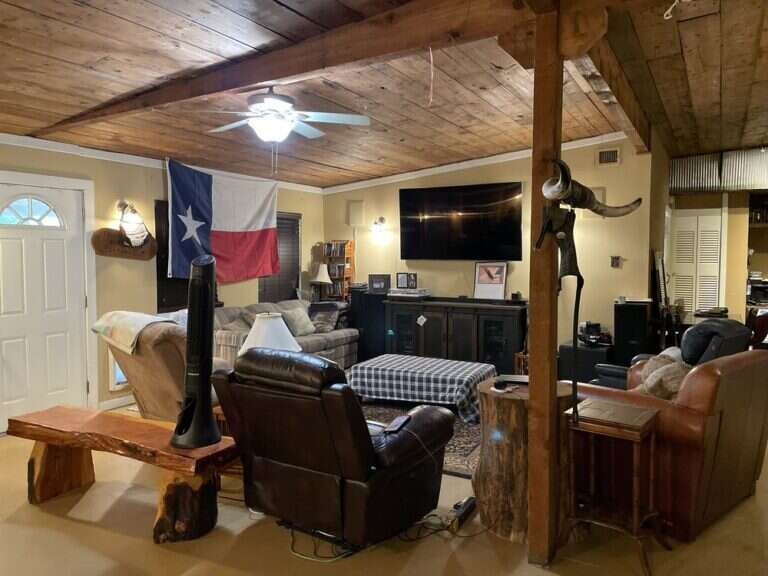
Asking price $875,000 · Closed July 2023
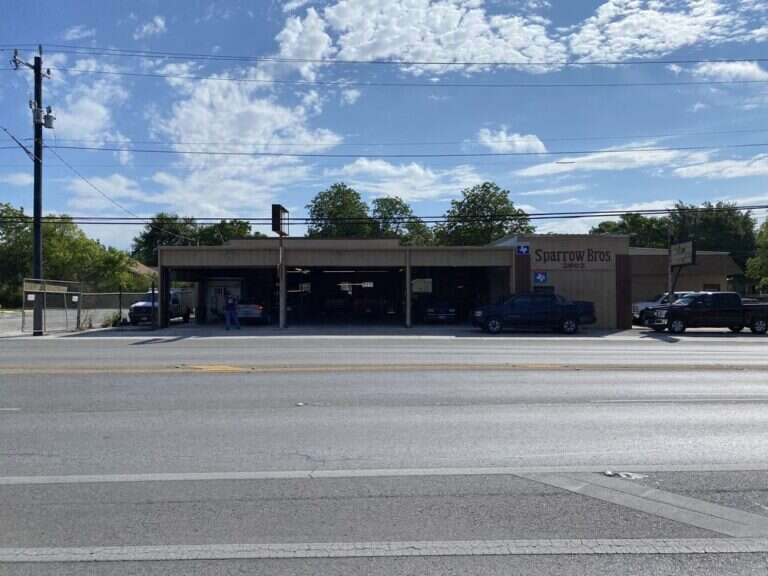
Asking price $449,000
The market reports for this kind of property.
We also work these.
What is changing in Texas land, water and growth, explained for owners, not insiders.

TxDOT taking part of your Texas land? See what the state pays for, which losses it doesn't count, how the process runs, and when…

Selling a Texas shopping center? See how a careful buyer rebuilds your income, which fixes can pay off, and how to handle tenant estoppels…

Buying your first Texas shopping center? See how vacancy, taxes and loan terms can turn a 7.5% return into 5%, and what to check…

A 15-minute call. Tell him what you own or what you want to buy. He will tell you what he sees, good and bad. No cost, no pressure.
Talk to Rexor call 210-823-3721
We Are Ready To Help You In Making Smart Real Estate Decisions
Whether you have questions about commercial real estate, need advice on your next investment, or are ready to take the next step, we’re here to help. At Blue Collar Commercial Group of New Braunfels, we pride ourselves on providing personalized, expert guidance at every step. Fill out the contact form, and we’ll get back to you promptly to discuss how we can work together to achieve your goals. Let’s start the conversation today!
Local commercial real estate news and new listings, once a month.