

SoldRetail
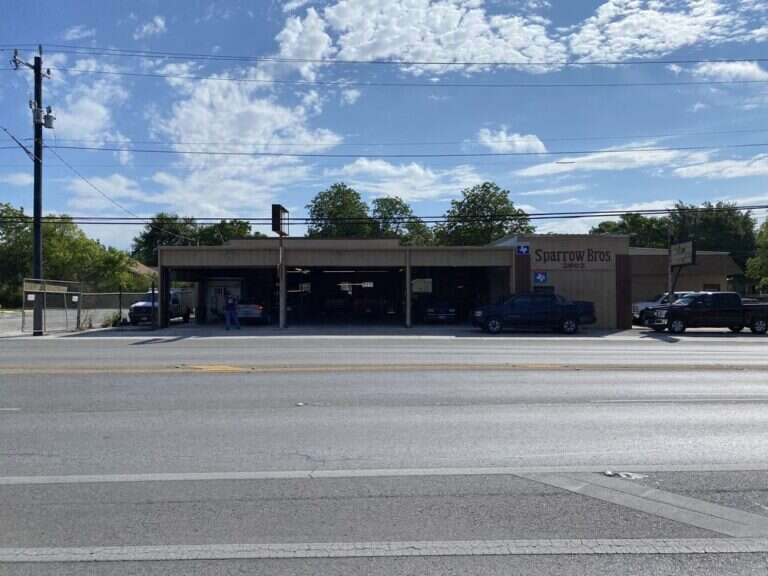
214 W. Sealy, Monahans
Asking price $750,000
Retail for Buyers in San Antonio & New Braunfels Metro
Talk to Rex about retailYou are looking for retail property that produces steady cash flow, protects your capital, or gives your business a permanent home along active Hill Country thoroughfares. We evaluate retail assets across New Braunfels, Seguin, and Boerne by walking the curb lines, checking utility capacity with local purveyors, and reading the underlying leases line by line before you commit earnest money. Tell us whether you want an established strip center, a single-tenant net-leased building, or a value-add storefront, and we will pull the property records and actual sales comps to show you where the market really sits.
Retail buyers are ultimately purchasing foot traffic, access points, and tenant lease commitments — real estate where everyday consumer spending drives underlying property value. Across the corridor between Austin and San Antonio, acquisition opportunities span neighborhood shopping centers, standalone fast-food or bank pads, unanchored strip retail, and downtown storefront buildings. Each subtype carries distinct operational requirements, from shared parking agreements and common-area maintenance accounting to grease trap infrastructure and direct highway visibility.
We examine every prospective storefront and commercial center with an eye on municipal realities rather than sales brochures. That means pulling historical water connection records in Comal County, verifying turn-lane access with regional road authorities, and reading tenant sales reporting provisions before drafting an offer. Finding retail space that performs over a multi-year hold requires separating a seller’s optimistic marketing package from what the commercial dirt and in-place leases can genuinely support.
Purchasing commercial retail real estate gives investors durable exposure to consumer commerce through tangible physical assets. Service-oriented businesses, neighborhood grocers, medical clinics, and daily-needs retailers create ongoing customer demand that cannot be replaced by digital fulfillment alone. When paired with structured net lease agreements, retail property provides clear cash flow visibility and long-term equity accumulation across established and expanding transportation routes.
Every retail acquisition carries capital risk, particularly around tenant turnover, regional road alterations, and shifting merchant sales volumes. A dark anchor or an unexpected lease default can temporarily lower income while property taxes and debt service obligations continue uninterrupted. Successful buyers balance the income upside of commercial retail against the capital reserves needed to re-tenant a space, reconfigure storefront layouts, or absorb periodic vacancies between business cycles.
Many commercial retail assets operate under NNN lease structures where tenants pay their pro-rata share of property taxes, building insurance, and common-area maintenance. This shifting of operating expenses shields an owner from sudden cost increases in municipal taxes or regional insurance policies. The resulting net operating income offers predictable budgeting for debt service and partnership distributions. That expense stability lets buyers forecast operational returns with greater certainty across long holding periods.
Retail centers housing medical providers, veterinary clinics, salons, hardware suppliers, and local food operators serve routine consumer needs that require an in-person visit. These neighborhood businesses generate recurring parking lot visits throughout the work week rather than relying on discretionary weekend shopping. That regular foot traffic helps adjacent inline tenants maintain their customer volume and sales stability. Investing in service-driven retail protects an asset against broader swings in discretionary consumer spending.
Commercial retail leases routinely incorporate scheduled rent escalations that take effect annually or at specified option renewals. These contractual bumps compound the revenue generated by the property over a multi-year ownership timeline. Step-up rent structures help protect the owner's net yield from broader inflationary pressure on capital replacement items. Understanding the exact escalation schedule in the rent roll confirms whether the asset's gross income will outpace long-term operating costs.
Commercial retail frontage along established highways and high-volume intersections is finite and difficult to replicate once surrounding parcels are built out. Well-located commercial dirt retains residual value even if individual merchant concepts run their natural course and turn over. The underlying real estate can be adapted, subdivided, or redeveloped to accommodate incoming commercial uses as the area evolves. Securing retail frontage along proven routes preserves your capital through changes in local merchant categories.
Owning commercial retail real estate allows property owners to offset qualifying income through annual physical building depreciation allowances where eligible. Real property improvements, parking surface repairs, and interior tenant build-outs can offer substantial tax sheltering benefits under current accounting guidelines. These mechanisms allow investors to shelter cash flow while paying down the underlying mortgage balance. Reviewing property depreciation schedules alongside your professional tax advisor preserves more cash within your operating account.
Retail properties with under-market leases, deferred maintenance, or vacant suites offer an active buyer tangible upside through hands-on property management. Upgrading storefront facades, restriping parking areas, and modernizing tenant monument signage can reposition a center to attract higher-credit commercial operators. As below-market leases expire, new agreements can be established at prevailing market rates to elevate net operating income. That deliberate repositioning work creates equity that does not depend solely on broad market appreciation.
Acquiring commercial retail property involves analyzing several moving parts, from co-tenancy clauses and cross-easement declarations to municipal curb cut permits. Unlike single-tenant warehouses where one occupant runs their operation privately, retail sites depend on customer visibility, direct roadway access, and harmonious tenant operations. Overlooking exclusive use restrictions or failing to verify parking ratios can quickly derail an otherwise promising acquisition.
We solve these hurdles by conducting on-the-ground due diligence on every retail property before our clients remove inspection contingencies. We pull the actual cross-access agreements, check line-of-sight visibility at highway speed, and review sales-to-rent ratios to identify operational risks early. Our practical evaluation gives buyers the factual basis needed to renegotiate purchase terms or walk away before committing capital.
Existing retail leases often grant anchor tenants the right to reduce rent or terminate their lease if an anchor departs or if a competitor opens in the same center. Missing these restrictions during contract review can leave a buyer with sudden vacancy or restricted leasing options for empty suites. We review every lease abstract and underlying contract to map out all exclusive-use covenants and co-tenancy tripwires. That review protects you from inheriting legal conflicts that limit future tenant placement.
A retail center with high traffic counts is useless if drivers cannot safely turn across traffic to pull into the parking lot. State or county highway widening projects can install raised medians or eliminate curb cuts, cutting off left-hand turns and choking merchant foot traffic. We pull regional transportation development plans to verify future median alignments and confirmed ingress points for the site. Confirming permanent access ensures your tenants maintain the customer traffic required to pay rent.
Sellers sometimes present retail centers as fully leased, but the underlying tenants may lack balance sheet strength or corporate backing. If local independent operators run on razor-thin margins without submitting sales figures, a buyer inherits unmeasured default risk. We analyze tenant payment histories, evaluate whether personal or corporate guaranties secure the leases, and review store performance where available. That vetting separates dependable rental income from vulnerable short-term occupancy.
Roof membranes, rooftop HVAC systems, parking lot paving, and grease trap infrastructure represent significant capital liabilities if neglected by the previous owner. If historical leases do not pass these replacement costs through to tenants, the new buyer absorbs the capital expense directly. We inspect the mechanical units, check roof age, and examine parking sub-bases during property walks before pricing is locked down. Catching deferred maintenance upfront allows us to adjust offer prices or require seller escrow credits.
High-turnover uses like restaurants, coffee shops, and fitness centers consume parking stalls at rates far higher than dry retail storefronts. When parking counts fall short of municipal zoning minimums, the city will deny certificates of occupancy for incoming tenants. We audit total stall counts against active tenant uses and inspect recorded reciprocal easement agreements between adjoining parcels. This diligence confirms the property can legally support higher-traffic, higher-rent merchants over time.
In the Texas Hill Country, commercial water meters, sewer main connections, and electrical transformer capacities vary widely by county and utility district. A storefront buyer planning to convert general retail space into food service or medical suites may discover that water allocation is capped or sewer connection fees are prohibitive. We contact municipal and private utility purveyors directly to verify existing tap sizes, wastewater capacity, and line extension fees. Verifying utility availability prevents costly capital surprises after closing.
Successful retail property acquisitions require a systematic examination of both physical site characteristics and lease documentation. A polished building facade means very little if incoming traffic cannot see tenant monument signage or if drainage issues cause standing water across the front stalls after heavy rain. Diligent buyers look past cosmetic paint to evaluate the structural components and operational terms that govern everyday commercial performance.
We walk retail properties alongside our buying clients to inspect the specific items that determine real-world usability and cash flow stability. We verify truck delivery access behind the suites, check line-of-sight visibility past neighboring trees or overpasses, and inspect the electrical main panels for adequate service. That methodical, boots-off-the-pavement check confirms you are buying durable commercial real estate at an honest valuation.
Total vehicle counts on fronting roadways matter, but the split between morning and evening commute traffic determines which tenant types succeed. A coffee shop or breakfast concept requires morning-side access, while casual restaurants, fitness studios, and convenience retail thrive on evening return-commute traffic. We study deceleration lanes, traffic signal proximity, and median turn breaks to ensure patrons can enter smoothly. Verifying real turning dynamics helps confirm whether prospective tenants can thrive at the location.
Visual prominence directly impacts a retailer's sales performance, making exterior signage allowances one of the most critical elements of a site visit. You must examine municipal sign ordinances, panel space on roadside monument pylons, and facade banner regulations to see what branding each suite allows. Confusing sign codes or restricted sightlines from nearby overpasses reduce tenant demand and store revenues. Confirming strong signage rights protects tenant visibility and maintains leasing demand over time.
A healthy multi-tenant retail center features staggered lease expirations that prevent multiple suites from coming vacant in the exact same fiscal period. Having a major cluster of leases terminate concurrently exposes the owner to severe cash flow drops and heavy re-tenanting costs. We examine expiration schedules, renewal option notice dates, and personal guaranty expiration dates across every tenant record. A well-staggered rent roll protects your cash flow from sudden tenant turnover waves.
Food service tenants generate some of the highest per-square-foot rents in the retail sector, but they require dedicated in-ground grease traps and venting chases. Retrofitting a shared exterior grease trap into an existing concrete parking apron can cost substantial capital and disrupt existing customers. We check whether existing plumbing lines, interceptors, and water heater hookups can accommodate restaurant uses. Identifying built-in wet infrastructure expands your future leasing pool without requiring heavy capital outlays.
A commercial retail property must supply sufficient dedicated parking stalls to meet municipal ratios while accommodating peak customer hours. In addition, rear truck courts or dedicated loading zones are vital so that delivery box trucks do not block patron stalls or impede drive aisles. We measure stall dimensions, check ADA ramp compliance, and walk the rear delivery corridors to verify truck clearances. Proper parking and circulation protect customer convenience and prevent tenant operational friction.
Commercial rooftop HVAC units run constantly in Central Texas heat, making mechanical maintenance one of the heaviest recurring operational costs. Retail buyers must confirm whether existing leases place unit repair and replacement duties on the tenant or on the property owner. We review equipment age tags, verify maintenance service logs, and check roof penetrations for past water intrusion. Establishing mechanical condition upfront ensures you hold appropriate replacement reserves in your acquisition budget.
Most multi-tenant retail properties and outparcels are subject to recorded Covenants, Conditions, and Restrictions along with reciprocal easement agreements. These documents dictate shared maintenance fees, architectural guidelines, permitted business types, and shared driveway access rights with adjacent retail parcels. We review the title commitment and underlying easement filings to uncover operational obligations or hidden assessments. Knowing these legal boundaries prevents costly disputes with neighboring commercial owners.
Purchasing commercial retail real estate requires a structured advisory approach that connects your investment parameters with ground-level market intelligence. We guide buyers through every phase of the acquisition lifecycle, from initial balance sheet criteria to closing escrow and taking over property operations. Our team does not rely on passive listing portals; we actively cross-reference county tax maps, utility districts, and local relationship networks to source viable properties.
We stay by your side through every inspection, title review, and lease audit to ensure you make decisions backed by verifiable property records. In our practice, we have evaluated retail and commercial real estate since 2020 by focusing on the physical dirt, municipal utility capacity, and underlying tenant credit. Following a clear advisory roadmap keeps your acquisition timeline on track while protecting your capital from uncalculated surprises.
We begin by defining your specific investment criteria, acceptable risk profile, expected return targets, and long-term hold intentions. Whether you require a passive NNN asset for cash flow stability, an owner-occupied storefront for your business, or a multi-tenant center to reposition, we outline clear property profiles. We also review 1031 exchange timelines where applicable to ensure acquisition deadlines are planned well in advance of closing dates. Establishing focused criteria prevents wasted time touring retail properties that do not match your capital strategy.
Next, we conduct detailed market evaluations across your preferred submarkets, checking local consumer patterns, retail vacancy trends, and corridor traffic patterns. We review existing tenant saturation across relevant retail categories to identify which sectors have unmet consumer demand in the trade area. Our team checks local road construction initiatives and county capital improvements that could alter customer flow around specific parcels. This thorough review narrows our target areas to commercial corridors with durable long-term vitality.
With defined target locations, we build detailed financial models based on verified market rents, realistic vacancy projections, and actual operating expense comps. We underwrite potential loan terms, debt service coverage requirements, and necessary capital expenditure reserves for roof and parking maintenance. We evaluate whether in-place rents reflect current market levels or if immediate re-tenanting upside exists. Grounding the underwriting in local operating data confirms the purchase price reflects reality rather than inflated projections.
We source retail opportunities through direct owner contacts, off-market commercial networks, and active public inventory. When touring prospective retail properties, we walk the parcel lines, inspect customer parking layouts, check rear delivery corridors, and observe actual turning movements during peak hours. We look closely at tenant storefront conditions, signage pylons, and visible structural components before advising on deal viability. This physical inspection separates viable retail assets from properties with unfixable access or visibility defects.
Once an appropriate retail property is selected, we draft a comprehensive letter of intent and commercial purchase agreement with terms designed to protect your capital. We negotiate critical contingencies covering physical property inspections, lease audits, environmental reviews, and financing feasibility periods. Our team focuses on realistic earnest money timelines and clear seller document delivery requirements to ensure adequate review windows. Strategic contract structuring provides the necessary runway to thoroughly examine the asset before earnest funds go non-refundable.
During the formal feasibility period, we coordinate third-party property condition reports, Phase I environmental assessments, ALTA surveys, and title commitment reviews. We audit tenant lease agreements, reconcile common-area maintenance billings against actual expenses, and require signed tenant estoppel certificates. If unexpected structural defects or lease discrepancies arise, we negotiate purchase price adjustments or seller repair escrow credits prior to closing. We manage closing details alongside your title officers and lenders to confirm a clean asset transfer.
Our commercial retail advisory services serve investors, business owners, and family partnerships with distinct financial goals and operating preferences. Some buyers require completely passive properties where national corporate tenants manage all maintenance, while others seek multi-tenant shopping centers where hands-on leasing generates significant equity appreciation. We tailor our acquisition approach to match your balance sheet requirements, operational capacity, and preferred holding timeline.
We work with commercial retail buyers across New Braunfels, Seguin, Boerne, and surrounding Hill Country communities who appreciate straight answers backed by verifiable market data. Whether you are moving equity out of residential rentals or expanding your local business footprint, we provide practical market insight without the sales spin. Review the client profiles below to see where your commercial acquisition goals align.
Investors completing a 1031 exchange need dependable retail replacement properties that satisfy strict statutory timelines and preserve their accumulated equity. These buyers often target single-tenant net-leased retail assets with long-term corporate leases or established multi-tenant strip centers with stable tenant rosters. We focus on identifying properties with clean title records, verified income streams, and reliable financing structures that can close comfortably within exchange windows. This disciplined sourcing protects your tax-deferral benefits while placing capital in durable retail real estate.
Growing business owners often prefer buying their own commercial storefront rather than paying escalating rents to an outside landlord year after year. Owning the retail building stabilizes occupancy costs, provides permanent physical branding along major corridors, and builds long-term equity through mortgage principal reduction. We help owner-occupiers locate properties with suitable retail zoning, appropriate parking ratios, and the option to lease extra inline suites to secondary tenants. This approach turns your commercial real estate overhead into an appreciating balance sheet asset.
Investors transitioning from single-family residential rentals or small multifamily assets often step into retail real estate to secure commercial net leases and lower property management workloads. These buyers need transparent guidance through unfamiliar commercial deal components, including CAM reconciliations, tenant estoppel certificates, and commercial mortgage underwriting standards. We walk first-time retail buyers through lease audits and property inspections so they understand every operational cost before closing. That thorough coaching provides the clarity needed to build a resilient commercial portfolio.
Private investors and local syndicators actively seek unanchored retail centers or dated storefronts carrying below-market rents, short lease terms, or physical vacancies. These operators plan to upgrade building facades, restripe parking surfaces, renegotiate expiring leases, and install modern tenant monument signage to raise net operating income. We locate underperforming retail properties where the underlying dirt and traffic counts support significant revenue growth after capital improvements. That analysis ensures the anticipated rent upside justifies the necessary renovation investment.
Family offices and multi-generational partnerships prioritize capital preservation, steady yield, and clean generational transfer when purchasing retail properties. They focus on well-located neighborhood shopping centers anchored by essential service providers or stable regional merchants along expanding corridors. We help family partnerships review long-term submarket trends, debt structures, and maintenance requirements to select assets that generate reliable quarterly distributions. This conservative acquisition strategy protects family wealth across multi-year investment cycles.
Regional investors outside Comal, Hays, and Guadalupe counties look to deploy capital into the San Antonio-Austin growth corridor but lack on-the-ground visibility into local road projects and municipal utility districts. They need an advisor who can inspect physical sites in person, verify municipal service limits, and report unfiltered market conditions. We act as their eyes and ears locally, inspecting properties, verifying traffic realities, and checking county records to confirm asset viability. That direct local market observation keeps outside investors from overpaying for compromised retail locations.
Purchasing commercial retail properties brings up specific questions regarding lease auditing, financing terms, operational budgeting, and physical due diligence. Buyers need straightforward answers regarding how commercial retail agreements function, what costs fall to the landlord, and how to verify that incoming rent is secure. Reviewing these practical questions helps investors approach retail transactions with realistic expectations.
We believe in answering commercial property questions directly, using verified market data and practical deal experience. Below are the common questions our retail acquisition clients ask, along with our perspective on what actually matters during contract negotiation and due diligence. If your specific scenario involves additional legal or physical variables, reach out to our team to discuss the details.
A triple-net (NNN) retail property requires the tenant to pay their pro-rata share of real estate taxes, property insurance, and common-area maintenance directly on top of base rent, leaving the landlord with minimal variable expense exposure. In contrast, under a gross or modified gross lease structure, the property owner pays property taxes, insurance, and exterior maintenance out of the collected rent check, absorbing cost increases unless explicit pass-through stops are written into the contract. Net lease properties provide more predictable net income for passive investors, while gross lease centers often offer higher gross collections but require active operational management and reserve budgeting. Reviewing existing tenant lease agreements during due diligence confirms whether operating expense risks fall on you or your tenants.
Commercial retail properties rely on customer visibility, high-volume consumer traffic, visual signage, and dedicated customer parking, whereas industrial warehouses prioritize functional ceiling heights, dock loading doors, heavy electrical power, and efficient freight highway access. Retail assets generally produce higher rental rates per square foot but involve greater tenant turnover costs, more complex build-outs, and ongoing coordination of public parking and landscaping. Industrial properties feature lower interior maintenance requirements and fewer moving parts, but retail centers often offer greater value-add upside through active re-tenanting and storefront repositioning. Choosing between retail and industrial depends on whether you seek the operational simplicity of logistics space or the foot-traffic-driven yield of consumer storefronts.
A tenant estoppel certificate is a legally binding document signed by an existing commercial tenant confirming the current terms of their lease, their monthly rent amount, prepaid rent balances, security deposits held, and whether the landlord has satisfied all maintenance and build-out obligations. Requiring signed estoppels from every tenant prevents a seller from misrepresenting lease collections or concealing unresolved tenant disputes before closing. If a tenant claims an oral rent reduction or an uncompleted landlord repair after you close, an estoppel certificate protects you by establishing the written terms as binding. We insist on making satisfactory tenant estoppel certificates a mandatory condition of closing in every commercial retail purchase contract.
Commercial retail acquisitions are typically financed through local community banks, regional commercial lenders, life insurance companies, or Small Business Administration loan programs for owner-occupants. Lenders evaluate the property’s debt service coverage ratio based on net operating income, requiring the building’s income to exceed annual loan payments with a comfortable margin to spare. Underwriting will also examine tenant credit quality, remaining lease terms relative to loan maturity, and your personal post-closing liquidity reserves. Maintaining sufficient unencumbered cash after down payment and closing costs ensures your commercial lender approves the loan without requiring restrictive personal covenants.
Evaluating tenant credit requires examining the corporate structure of each occupant, reviewing parent-company balance sheets, and verifying whether independent operators have signed personal or corporate guaranties. For national or regional corporate tenants, public financial disclosures provide clear credit ratings and store profitability metrics. For local merchants and service operators, you must review past payment records, request merchant sales-to-rent ratios where permitted by the lease, and confirm how long they have operated continuously at the location. A center backed by strong corporate guaranties and profitable independent merchants presents substantially lower default risk than one filled with unverified operators.
First-time retail buyers are most often surprised by asphalt parking lot failures, grease trap maintenance, exterior lighting replacements, and rooftop HVAC breakdowns where leases fail to assign unit replacement to tenants. In older centers, repaving an unmaintained parking lot or replacing undersized sewer lines can require substantial capital outlays early in your ownership period. In addition, when an outgoing retail tenant vacates, preparing the space for an incoming merchant frequently requires tenant improvement allowances and broker commissions. Holding dedicated capital reserves in your operating account protects your debt service payments when these routine commercial maintenance cycles occur.
Yes, real estate investors can use a 1031 exchange to defer capital gains liabilities by reinvesting proceeds from any qualifying commercial or investment real estate into replacement retail property. The exchange process is governed by strict statutory deadlines that begin immediately upon closing the sale of your relinquished property, and missing either deadline disqualifies the entire tax deferral. You must engage a Qualified Intermediary before the sale of your initial property closes to hold all transfer proceeds in escrow throughout the transaction. A qualified tax advisor can evaluate how this tax deferral mechanism applies to your specific balance sheet and transaction timeline.
Municipal zoning codes dictate what business activities can legally operate within each suite, governing everything from alcohol sales permits and drive-through operations to outdoor customer seating and medical clinics. Furthermore, local sign ordinances set strict limits on pylon sign height, digital display boards, and building facade lettering, directly impacting tenant marketing visibility. If an incoming tenant cannot obtain occupancy permits or adequate roadside signage from the municipality, they will terminate negotiations and leave your suite vacant. We review municipal zoning classifications and local sign codes during due diligence to verify that your planned tenant roster complies fully with city standards.
Each sale shows the asking price, and the closing date when we have it.
Asking price $750,000
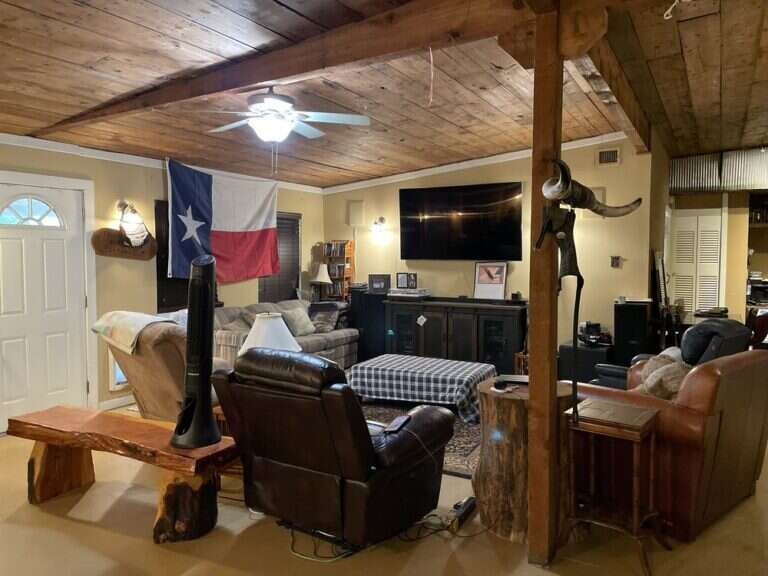
Asking price $875,000 · Closed July 2023
Asking price $449,000
The market reports for this kind of property.
We also work these.
What is changing in Texas land, water and growth, explained for owners, not insiders.

TxDOT taking part of your Texas land? See what the state pays for, which losses it doesn't count, how the process runs, and when…

Selling a Texas shopping center? See how a careful buyer rebuilds your income, which fixes can pay off, and how to handle tenant estoppels…

Buying your first Texas shopping center? See how vacancy, taxes and loan terms can turn a 7.5% return into 5%, and what to check…

A 15-minute call. Tell him what you own or what you want to buy. He will tell you what he sees, good and bad. No cost, no pressure.
Talk to Rexor call 210-823-3721
We Are Ready To Help You In Making Smart Real Estate Decisions
Whether you have questions about commercial real estate, need advice on your next investment, or are ready to take the next step, we’re here to help. At Blue Collar Commercial Group of New Braunfels, we pride ourselves on providing personalized, expert guidance at every step. Fill out the contact form, and we’ll get back to you promptly to discuss how we can work together to achieve your goals. Let’s start the conversation today!
Local commercial real estate news and new listings, once a month.