
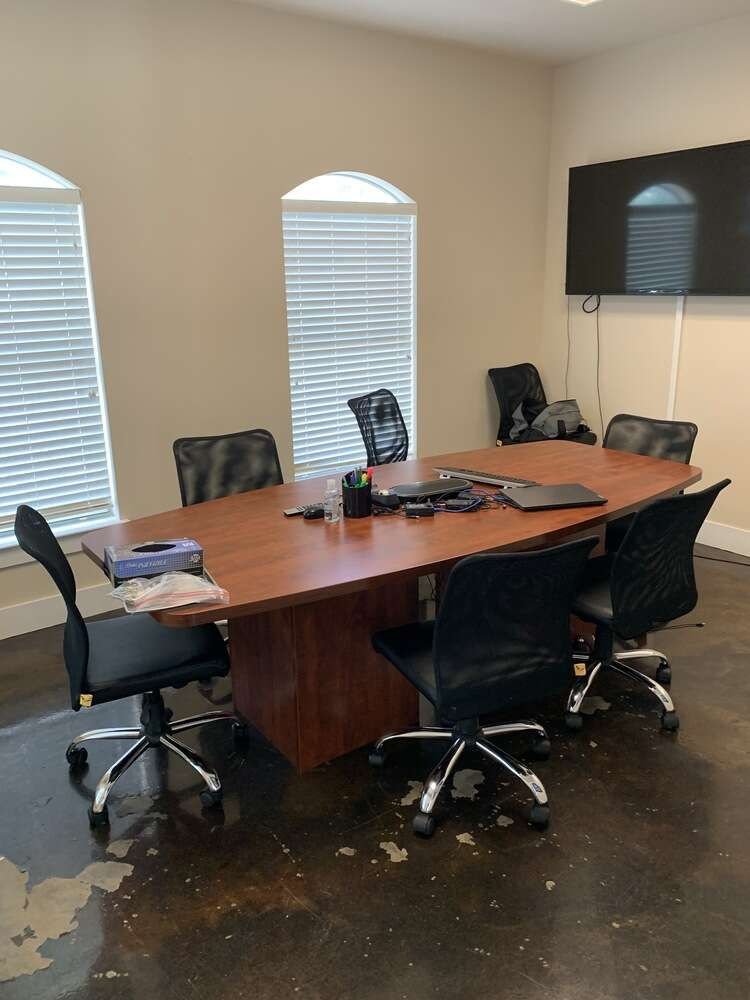
LeasedOffice
Office for Tenants in San Antonio & New Braunfels Metro
Talk to Rex about officeFinding office space that supports your operational workflow requires looking well past cosmetic finishes, whether your company is adding staff, consolidating square footage, or relocating across the region. We walk commercial buildings across New Braunfels, Boerne, and San Marcos to verify physical parking counts, test HVAC system performance, and audit building operating expense records before you commit to terms. Our team analyzes the lease structure from your side of the table so your overhead remains predictable over the entire occupancy. Tell us what your team requires to work effectively, and we will identify spaces built to handle your daily business demands.
The right office space fits how a team actually conducts business every day, prioritizing accessible parking, commute routes, and usable floor shape over address prestige. Organizations seeking workplace real estate choose among multi-tenant suburban office parks, freestanding professional buildings, medical office facilities, and converted commercial suites. For specialized occupants such as medical clinics, counseling practices, and physical therapy centers, room layout, acoustic privacy, in-suite plumbing, ADA accessibility, and patient parking access matter far more than raw desk counts. Identifying a location that balances staff accessibility with practical floor utility prevents operational friction before a single desk is moved.
Evaluating prospective commercial space demands a direct audit of building systems and lease covenants rather than accepting landlord brochures. We cross-examine the gap between the space you rent and the space you occupy, review historical utility costs, and walk mechanical rooms to confirm maintenance histories before drafting letters of intent. Operating expenses, janitorial scopes, and common area upkeep can silently erode operating margins if left unexamined during initial site tours. Taking a disciplined look at structural realities and contractual responsibilities establishes long-term budget stability for your business.
Establishing a physical workplace provides operational stability, professional credibility, and direct control over how your team and clients interact. A dedicated commercial facility allows leadership to establish private meeting areas, maintain secure data infrastructure, and create an environment free from home-office distractions. Whether coordinating project teams or hosting high-value clients, physical facilities establish an enduring commercial identity in your local community.
Realizing these operational benefits requires matching building obligations to realistic business revenue. Commercial leases represent continuous contractual commitments that include base rent, utility overhead, and shared building operating expenses. Evaluating these liabilities alongside anticipated business cycles ensures that your workplace remains a sustainable corporate asset rather than an unmanageable financial burden.
Welcoming clients into a dedicated, professional facility reinforces institutional legitimacy and corporate permanence. Having private conference rooms, branded reception areas, and quiet consultation rooms signals operational stability to prospective partners. This physical environment builds client confidence and supports premium service delivery. Presenting a polished workplace establishes immediate trust with your most critical commercial relationships.
Bringing staff together streamlines daily communication and eliminates the friction of decentralized remote workflows. Teams resolve complex problems faster through direct interaction and dedicated project spaces. Choosing an office layout tailored to your specific workflow keeps daily productivity consistent across departments. Eliminating operational silos allows your business to deliver consistent, timely client outcomes.
Commercial office buildings provide dedicated server closets, structured network cabling, and controlled physical access for sensitive company records. Maintaining compliance with data privacy mandates requires physical security perimeters that residential or shared settings rarely offer. Commercial infrastructure provides reliable electrical supply, backup emergency systems, and protected server connections. Protecting your operational data safeguards both company intellectual property and client confidentiality.
Quality workplace environments situated near regional transportation arteries give businesses an advantage in hiring qualified staff. Convenient parking, nearby dining options, and well-maintained building facilities improve daily worker satisfaction and commute routines. Providing an accessible, comfortable office location strengthens employee loyalty over extended tenures. Investing in physical workplace quality directly curtails expensive staff turnover.
Establishing an office presence along established commercial thoroughfares like Highway 46 or I-35 increases corporate visibility across growing business districts. Physical monument signage and accessible street visibility keep your enterprise top-of-mind among regional customers and commercial peers. A prominent physical address expands local commercial connections and solidifies your regional market foothold. Visible commercial placement transforms your corporate office into a working marketing tool.
Securing the proper lease covenants allows companies to plan for future spatial adjustments, including rights of first offer on contiguous suites. When contracts incorporate structured options to expand, downsize, or sublease unused areas, businesses can respond dynamically to market shifts. Negotiating spatial flexibility upfront safeguards your operational adaptability as headcount shifts. Contractual options ensure your commercial real estate evolves alongside your company.
Leasing office space involves navigating complex commercial agreements that often disguise true operational costs behind attractive headline rental rates. Many tenants discover too late that building pass-through expenses, parking restrictions, and inefficient interior architecture significantly inflate occupancy overhead. Without independent tenant representation, companies frequently absorb unfair capital expenditure burdens that belong with the landlord.
We protect commercial tenants by auditing lease mechanisms, evaluating physical structures firsthand, and resolving contractual ambiguities before commitments become binding. By reviewing building operational budgets and inspecting mechanical equipment across New Braunfels and the surrounding corridor, we ensure you enter agreements with total financial clarity. Proactive due diligence preserves your operating capital and eliminates costly mid-lease surprises.
Many commercial leases pass property taxes, building insurance, and common area maintenance directly to occupants without clear expenditure caps. When these operating costs rise, tenants face significant annual budget spikes that strain operational reserves. We review historical property ledgers and negotiate caps on controllable expenses to protect your bottom line. Shielding your company from unmanaged expense spikes keeps your annual facility costs predictable.
Landlords charge rent based on total building area, but awkward columns, oversized corridors, and bulky utility shafts reduce actual usable work space. Paying for square footage your staff cannot physically occupy inflates your true cost per workstation. We analyze the share of the space you pay for that you cannot actually use to ensure fair rental rates. Ensuring layout efficiency ensures you only pay for functional space that serves your team.
Office properties frequently house high-density tenants that exceed standard parking allocations, leaving staff and visiting clients searching for spaces. Overcrowded parking lots cause daily employee frustration, delayed meetings, and poor client impressions. We conduct field counts during peak business hours to verify that vehicle capacity matches your operational requirements. Verifying real parking availability prevents daily transportation friction from undermining your business operations.
Upgrading spaces with private offices, clinical rooms, or specialized electrical systems frequently exceeds the initial build-out funds provided by landlords. Discovering construction cost shortfalls after signing leaves tenants responsible for out-of-pocket capital improvements before opening. We solicit detailed contractor estimates during negotiations to secure adequate tenant improvement allowances. Accurate construction budgeting prevents unexpected capital outlays before your team takes occupancy.
Standard office leases often contain clauses requiring occupants to demolish improvements and restore space to original shell condition upon lease expiration. These decommissioning mandates can cost businesses substantial unbudgeted sums when moving or downsizing. We strike punitive restoration clauses before signature so you can exit or transition spaces without surprise exit expenses. Clarifying lease-end obligations protects your balance sheet when it is time to relocate.
When business conditions change and require downsizing or reorganization, strict lease terms can prevent companies from subletting surplus square footage. Without sublease flexibility, businesses remain financially responsible for empty offices until the contract ends. We secure reasonable assignment and subletting rights that let you mitigate holding costs if operational needs shift. Maintaining contractual transfer rights provides an essential release valve if your corporate structure changes.
A successful office lease requires evaluating both the physical functionality of the property and the underlying legal covenants that govern your tenancy. Physical inspection must confirm adequate electrical distribution, functional climate control systems, and accessible parking ratios that match your operational intensity. At the same time, the lease contract must clearly delineate landlord maintenance responsibilities from tenant obligations to avoid unexpected repairs.
Our advisory practice walks properties to evaluate building infrastructure firsthand and examines expense ledgers rather than taking marketing claims at face value. We verify the exact point past which building operating costs become yours, not the landlord’s, ensuring baseline numbers reflect real historical operating figures. Conducting disciplined diligence before committing signature to paper protects your business capital over the entire lease term.
Scrutinize the gap between the space you rent and the space you occupy to determine your true cost per usable square foot. Long hallways, recessed entryways, and structural columns can drastically reduce functional furniture placement. Selecting spaces with efficient geometric layouts saves significant overhead over the life of your lease. Thorough spatial measurement confirms that your company receives full functional value for every dollar paid.
Verify the exact allocation of dedicated versus shared parking stalls, particularly if your business welcomes frequent client visits or shift workers. Properties with congested entry points onto busy corridors create daily headaches for arriving staff. Confirming sufficient stall counts ensures a smooth arrival experience for employees and customers alike. Adequate vehicular capacity supports customer retention and keeps daily business running smoothly.
Investigate how heating and cooling zones are distributed across the suite and whether systems operate independently during weekends or evenings. Buildings with centralized HVAC systems often charge steep hourly fees to condition individual suites outside standard business hours. Ensuring self-contained temperature controls protects your budget if your team works flexible schedules. Independent environmental systems provide workplace comfort without generating surprise utility invoices.
Clarify whether the landlord provides a turnkey build-out or cash tenant improvement allowance, and establish who oversees general contracting. Landlord-managed construction can lead to finish compromises or delays that push back your target occupancy date. Securing control over construction specifications ensures the final space reflects your operational workflow. Direct construction oversight ensures your facility opens on schedule and within budget.
Review the lease language defining the point past which building operating costs become yours, not the landlord's. Without strict definitions of what qualifies as an operating expense, capital replacements might be improperly passed through to occupants. Demanding formal audit rights allows your accountant to inspect annual expense reconciliations for accuracy. Contractual audit protections keep landlord accounting transparent and prevent improper expense allocations.
Seek formal rights of first offer on adjacent suites so your company can expand without the disruption of relocating to a new property. Simultaneously, explore options to surrender or sublease surplus space if headcount requirements decline. Having contractually protected expansion and contraction paths provides long-term operational resilience. Flexible lease covenants ensure your physical plant adapts as your organization changes.
Evaluate the form of lease security the landlord requires, whether a corporate guaranty, letter of credit, or security deposit. Preserving cash reserves after move-in ensures your business maintains a safety cushion for operations and marketing rather than tying up capital in building deposits. Structuring limited personal guaranties minimizes individual exposure while satisfying landlord credit standards. Protecting your cash reserves keeps your underlying business resilient through shifting market cycles.
Securing the right commercial space requires a deliberate advisory process that aligns your physical space requirements with your financial and operational goals. From initial programming to final occupancy, our structured approach systematically eliminates unsuitable properties and focuses negotiation leverage on spaces that advance your enterprise. We take the time to understand your team structure, client interaction patterns, and future growth targets before looking at available properties.
We coordinate directly with property managers, listing brokers, and contractors so you remain focused on directing your daily business operations. By analyzing lease contracts thoroughly and applying pressure during request-for-proposal stages, we secure terms that protect your capital and maintain long-term flexibility. Our representation ensures your commercial real estate strategy actively supports your business growth.
We begin by dissecting your daily operations, headcount projections, storage demands, parking needs, and specialized facility requirements. Our team examines your target budget and geographical preferences across Comal, Hays, and Guadalupe counties. Defining these exact specifications prevents wasted tours of ill-fitting buildings. Clear operational criteria establish a firm foundation for the entire property search.
We pull on-the-ground market intelligence across submarkets including New Braunfels, Boerne, and Bulverde to uncover direct listings, off-market availabilities, and sublease opportunities. Rather than relying solely on online listing boards, we verify space availability and physical condition firsthand. This comprehensive survey provides a transparent picture of prevailing market rental terms. Direct market analysis ensures you evaluate every viable space that meets your operational criteria.
We narrow candidate properties to a refined shortlist matching your operational criteria and conduct thorough walkthroughs with your leadership team. During tours, we inspect building mechanical equipment, evaluate column spacing, and observe parking lot utilization firsthand. Walking every site ensures potential structural red flags are identified before drafting proposals. Hands-on inspections confirm that prospective spaces function as well in reality as they look on paper.
We submit requests for proposals and negotiate aggressive letters of intent with property owners to secure favorable economic terms. Our team pushes for competitive base rental rates, generous tenant improvement allowances, and flexible renewal provisions. Aggressive term negotiation creates substantial financial savings across the tenancy. Direct negotiation establishes protective terms that safeguard your operational capital over the lease lifecycle.
We coordinate with your legal counsel to review the landlord's formal lease document line by line. We focus on striking burdensome clauses, defining operating expense mechanisms, and securing protective assignment and subletting covenants. Detailed coordination ensures the legal contract matches the negotiated business terms. Rigorous contract review prevents conflicting language from undermining negotiated economic protections.
We stay engaged through space build-out, walk-through punch lists, and initial occupancy to ensure the landlord fulfills all delivery commitments. Following move-in, we assist with initial operating expense reviews and remain your advocate for lease extensions or space changes. Ongoing representation protects your business interests throughout the entire lease duration. Our ongoing relationship ensures you always have commercial real estate guidance when questions arise.
We represent a wide range of organizations seeking commercial office space across New Braunfels and the surrounding Hill Country corridor. Our clients range from established professional practices expanding their regional reach to growing enterprises seeking their first dedicated standalone facility. Every business brings unique layout preferences, client visit patterns, and financial criteria to the negotiation table.
By understanding the operational demands of each industry, we match companies with properties that elevate their brand and streamline daily staff productivity. We tailor each search to your operational model, whether your priority is medical infrastructure, client parking, or room to adjust square footage as market dynamics change. Our advisory work ensures your commercial lease serves as a dependable platform for ongoing business success.
Business operators making the transition from home offices or shared coworking spaces into their initial dedicated commercial leases. We guide these owners through budgeting for base rent, utilities, and operating expense reconciliations while avoiding personal financial exposure. Structuring sensible initial commitments protects operating reserves as the company establishes its physical presence. Prudent lease structures allow new commercial occupants to scale sustainably without taking on excessive debt.
Healthcare providers, physical therapists, and diagnostic operators requiring heavy in-suite plumbing, acoustic privacy, and dedicated ADA accessibility. We identify facilities with ground-floor entry, abundant patient parking, and adequate electrical service to support specialized medical machinery. Securing strong tenant improvement allowances offsets the substantial capital required for specialized clinical build-outs. Proper medical facility selection ensures full regulatory compliance and a superior patient care experience.
Law practices, accounting firms, and financial advisors needing sound-isolated private offices, executive boardrooms, and prominent reception areas. We locate properties in accessible commercial corridors that convey stability and credibility to discerning corporate and private clients. Negotiating flexible expansion rights ensures these firms can add associate offices as caseloads and client rosters grow. A polished corporate address reinforces professional reputation and attracts premium clientele.
Companies adapting to hybrid work structures or restructuring business models that require smaller, more efficient spatial layouts. We help management sublease excess square footage, surrender unneeded space at lease expiration, and locate compact, functional suites. Rightsizing your square footage cuts unnecessary overhead while maintaining an energetic corporate hub for on-site staff. Trimming redundant floor space immediately redirects corporate capital toward productive business initiatives.
Established regional enterprises establishing satellite offices along the I-35 corridor to tap into Hill Country client bases and labor pools. We secure locations with quick interstate access, modern telecommunications connections, and flexible initial terms. Establishing strategically placed satellite facilities broadens corporate reach while keeping capital commitments manageable. Expanding regional branch footprints positions your company directly in front of growing customer bases.
Trade contractors, engineering firms, and field service companies requiring a blend of professional administrative offices and secure outdoor vehicle staging. We identify flex and standalone office properties that offer yard storage or ample stall capacity for work trucks. Finding spaces that accommodate administrative and field operations under one roof streamlines company management. Unifying administrative and field teams in one location eliminates communication delays and lowers overall facility rent.
Entering a commercial office lease raises fundamental questions about financial risk, building build-out timelines, and long-term operating commitments. Prospective tenants must understand how lease mechanisms work in practice, from operating expense pass-throughs to parking allotments and lease security requirements. Clear answers to these practical questions allow business owners to plan operational expansions with confidence.
We believe tenants should negotiate from an informed position, backed by clear market facts rather than landlord assumptions. The questions below reflect the most frequent issues our tenant representation clients encounter when touring spaces and reviewing lease agreements. Knowing how these deal terms operate in commercial practice prevents costly oversights during negotiations.
A multi-tenant office building offers shared building amenities such as common lobbies, restrooms, and parking lots, with overall facility upkeep managed by a third-party landlord, whereas a freestanding commercial building gives a single occupant total autonomy over exterior branding, building access, and daily grounds operations.
Freestanding properties often require the tenant to coordinate direct mechanical maintenance, landscaping, and waste disposal, while multi-tenant suites pass these responsibilities through shared building operating fees. Choosing between these configurations comes down to balancing operational control and exterior identity against the daily convenience of landlord-managed facilities.
A tenant improvement allowance is a negotiated sum of capital provided by the building owner to fund custom interior framing, finishes, electrical, or plumbing alterations for your suite.
This allowance is typically disbursed as work milestones are reached or credited directly against construction invoices approved by the landlord. If construction expenses surpass the agreed allowance, the tenant is responsible for paying the remaining balance out of pocket. Negotiating realistic improvement funds and clear contractor oversight upfront prevents unexpected construction cost overruns before move-in.
Usable square footage represents the actual interior space your business physically occupies and controls, whereas rentable square footage includes your proportionate share of shared building areas like common lobbies, hallways, and mechanical rooms.
The difference between these numbers represents the share of the space you pay for that you cannot actually use. Landlords calculate base rent using rentable square footage, meaning you pay rent on common areas. Evaluating this layout gap ensures you understand your true cost per functional workstation before signing.
When building taxes, insurance, or maintenance costs rise above the point past which building operating costs become yours, the landlord passes that excess expense directly through to you based on your occupied square footage.
These pass-through adjustments are typically calculated annually through year-end reconciliation statements. If expenses increase significantly, tenants receive an unexpected bill for past operational shortfalls alongside an increase in future monthly charges. Establishing negotiated caps on controllable operating expenses shields your business from unpredictable budget surprises.
Landlords frequently request a personal guaranty from business owners to secure lease payments, meaning personal assets can be pursued if the business defaults on rent obligations.
First-time commercial tenants should maintain healthy cash reserves after signing to absorb moving expenses, furniture purchases, and early operational adjustments. We negotiate structured guaranty roll-offs or letters of credit that release personal liability as your business establishes a positive payment track record. Limiting personal liability preserves your financial security while providing the landlord with reasonable payment assurance.
If your business needs to shrink its spatial footprint, your options include subleasing unneeded offices to an approved third party, renegotiating a downsized footprint at renewal, or surrendering excess space if you hold early termination options.
Subleasing requires explicit landlord consent and typically keeps your business legally responsible for rent if the subtenant fails to pay. Securing fair assignment and subletting covenants during initial lease negotiations ensures you have the contractual right to monetize unused square footage. Regular spatial audits help you determine when right-sizing your office lease becomes financially advantageous.
Under a gross lease, the tenant pays one flat monthly sum covering base rent and standard building operating expenses, with the landlord absorbing fluctuations in taxes, insurance, and maintenance.
In contrast, a triple net (NNN) lease requires the tenant to pay a base rental rate plus a separate, variable monthly payment for their share of building taxes, insurance, and common area upkeep. Gross leases provide stable and predictable monthly outlays, while NNN leases offer transparency into exact building expenses but shift cost inflation risks to the occupant. Selecting the right lease structure depends on whether your organization prioritizes budget predictability or transparent cost tracking.
The commercial office leasing timeline spans several months, beginning with initial requirements planning and space tours before advancing to lease negotiation and architectural build-out.
Simple, ready-to-occupy suites can be finalized and occupied relatively quickly, whereas spaces requiring extensive structural demolition, plumbing additions, or custom finishes require extended construction schedules. Permitting timelines through municipal building departments in growing corridors can also impact your targeted move-in date. Starting your property search well ahead of your current lease expiration avoids rushed decisions and costly holdover penalties.
Each sale shows the asking price, and the closing date when we have it.
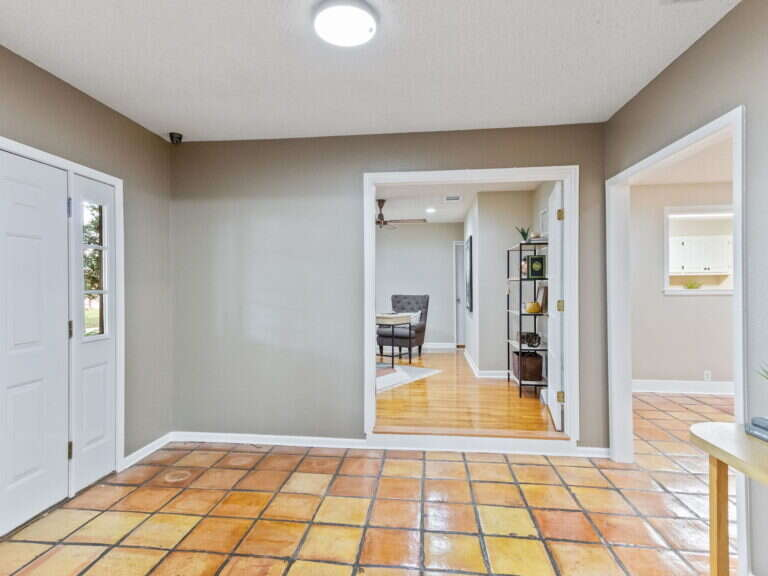
Asking price $319,000 · Closed June 2023
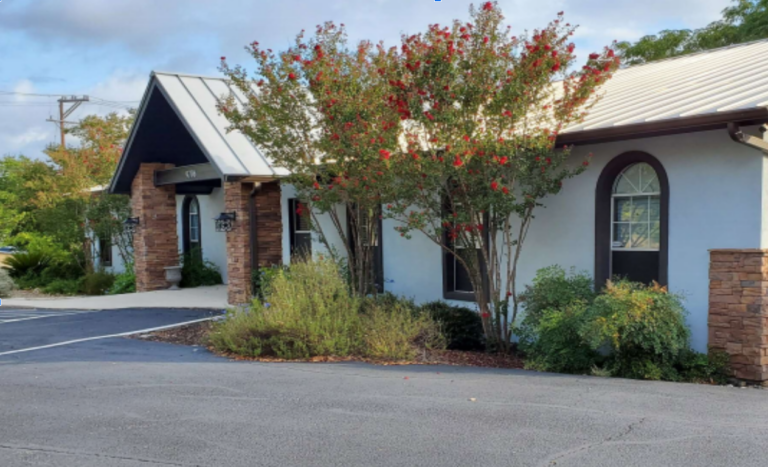
Asking price $1,070,000
The market reports for this kind of property.
We also work these.
What is changing in Texas land, water and growth, explained for owners, not insiders.

TxDOT taking part of your Texas land? See what the state pays for, which losses it doesn't count, how the process runs, and when…

Selling a Texas shopping center? See how a careful buyer rebuilds your income, which fixes can pay off, and how to handle tenant estoppels…

Buying your first Texas shopping center? See how vacancy, taxes and loan terms can turn a 7.5% return into 5%, and what to check…

A 15-minute call. Tell him what you own or what you want to buy. He will tell you what he sees, good and bad. No cost, no pressure.
Talk to Rexor call 210-823-3721
We Are Ready To Help You In Making Smart Real Estate Decisions
Whether you have questions about commercial real estate, need advice on your next investment, or are ready to take the next step, we’re here to help. At Blue Collar Commercial Group of New Braunfels, we pride ourselves on providing personalized, expert guidance at every step. Fill out the contact form, and we’ll get back to you promptly to discuss how we can work together to achieve your goals. Let’s start the conversation today!
Local commercial real estate news and new listings, once a month.