
LeasedOffice
Office for Sellers in San Antonio & New Braunfels Metro
Talk to Rex about officeDeciding to sell your commercial office property comes down to understanding what an investor will pay for your rent roll, operating history, and physical plant before negotiations begin. We audit tenant leases, examine mechanical systems on-site, and verify local zoning in submarkets like Boerne, San Marcos, and Seguin to establish an accurate market position. Blue Collar Commercial Group delivers clear underwriting so you can exit on your terms without surprises during due diligence. Share your current lease summaries and building records, and we will show you where the asset sits relative to qualified buyers.
Selling an office building is a valuation-driven process that turns on lease stability, verifiable operating expenses, and physical structure quality. While buyers evaluate suburban office buildings, freestanding medical clinics, executive suites, and downtown professional offices through distinct lenses, every underwriting team examines how consistently in-place tenants pay and how much usable work area exists inside the walls. Owners choose to sell for varied operational reasons, including partnership reallocations, portfolio rebalancing, or the desire to shed management responsibilities after decades of operation.
Our advisory practice reviews the leases themselves rather than marketing summaries to spot expiration clusters, tenant improvement obligations, and expense reimbursement gaps before taking an asset to market. Leigh Neves and our team bring practical experience to every assignment, walking roofs and electrical rooms alongside owners to resolve deferred maintenance questions before prospective buyers hire inspectors. A clean disposition package backed by county property records and realistic utility figures protects asset value and keeps contract timelines on schedule.
Capital allocations, shifting corporate footprints, and changing personal priorities prompt owners across Comal County and Hays County to evaluate asset sales. Understanding your property’s competitive standing against newly delivered inventory allows you to capitalize on private capital seeking dependable commercial cash flows.
While bringing a property to market can capture built-up equity and eliminate recurring capital expenditure burdens, owners must balance disposition timing against closing expenses, transfer taxes, and replacement asset pricing before executing an exit.
Direct management of multi-tenant office space demands regular oversight of mechanical contracts, janitorial services, and tenant concerns. Selling allows owners to transition equity into hands-off investments or alternative property sectors without day-to-day property management duties. This capital redeployment supports broader family and business goals.
Commercial office assets face recurring capital requirements for roof replacements, central chiller overhauls, and parking lot resurfacing. Disposing of the property before major mechanical systems reach the end of their operational lifecycle preserves realized profits. Buyers with dedicated capital reserves can absorb those pending infrastructure costs.
An office asset achieves maximum market appeal when primary tenants have multiple years remaining on stable, direct leases. Selling while the rent roll shows steady occupancy and solid credit backing prevents discounting associated with near-term lease rollover. Institutional and private buyers pay stronger pricing for predictable revenue streams.
Changes in partner objectives, estate settlements, or ownership structures frequently necessitate a clean property disposition. An outright sale converts illiquid real estate into distributable cash, providing an equitable and definitive conclusion for all stakeholders. Straightforward accounting and transparent buyer marketing ensure every partner sees fair value.
Owners often sell stabilized office holdings to defer capital gains taxes while purchasing higher-yield or lower-maintenance replacement properties. Moving equity through a structured exchange allows investors to rebalance geographic exposure or shift into triple-net industrial assets. Structuring the sale timeline correctly protects statutory tax-deferral privileges.
Office sales involve operational complexities that distinguish them from simpler real estate transactions. Buyers inspect tenant financial strength, parking agreements, utility capacities, and physical plant age with intense scrutiny before submitting binding offers.
We help sellers identify vulnerabilities in advance, organizing complete records and resolving physical discrepancies so negotiations stay focused on property value rather than reactive price concessions.
When several tenant leases expire within a short window, prospective purchasers factor vacant space risk and tenant improvement allowances into their underwriting. This uncertainty leads to lower valuations or requests for seller-funded escrow holdbacks. We address this by initiating tenant extension discussions well before marketing the building.
Buyers discount properties when sellers cannot produce verified utility bills, service contracts, and reconciliation ledgers for shared building expenses. Unclear operating histories introduce perceived risk during debt placement and financial due diligence. We audit your past property expenditures to build a transparent, verifiable operational statement.
Aging rooftop HVAC packages, drainage flaws, and worn parking surfaces give buyer inspectors leverage to demand substantial repair credits. Unaddressed mechanical defects can stall lending approvals late in the transaction timeline. We identify these items during early property tours so you can make selective repairs or price them accurately.
Public knowledge of an impending office building sale can create anxiety among tenants, leading to premature relocations or slowed renewal talks. Uncontrolled marketing risks destabilizing the very income stream that establishes asset pricing. We implement strict non-disclosure protocols and targeted marketing campaigns to protect on-site operations.
Commercial lenders underwrite office buildings with tight debt coverage requirements and strict tenant credit thresholds. If a prospective buyer works with an inexperienced lender, financing hurdles can delay or terminate the transaction. We pre-qualify buyer capital sources and verify lending terms before taking a property under contract.
Commercial purchasers evaluate office properties by dissecting the underlying lease agreements, site engineering, and regional employment dynamics. Understanding these evaluation metrics allows an owner to prepare an offering that aligns with current capital requirements.
By conducting a thorough review of your building before launching marketing materials, we present verified documentation that satisfies institutional lenders, private syndicators, and owner-occupants alike.
Investors prioritize tenants with verified balance sheets, established operational histories, and corporate guaranty backing. They closely examine lease provisions regarding rent escalations, renewal options, and tenant responsibility for building repairs. Clean agreements with creditworthy occupants command premium pricing from qualified buyers.
Underwriters calculate the share of the space tenants pay for that they can actually use for day-to-day operations. Wide hallways, oversized common areas, and inefficient building layouts reduce effective revenue per square foot. Clear architectural plans demonstrating functional floor configurations help justify top-tier valuation figures.
Adequate vehicle parking directly determines which professional and medical users can occupy a commercial building. Properties with restricted parking counts face limitations on dense office occupancy and clinical healthcare practices. Verifying cross-access easements and recorded parking stalls establishes maximum tenanting versatility.
Prospective buyers hire specialized engineers to test air handling systems, verify electrical supply panels, and inspect structural roof decks. Clear documentation of maintenance logs, equipment warranties, and replacement dates eliminates speculative price reductions. Demonstrating solid mechanical health speeds contract approval.
Office tenants require uncomplicated commute routes and clear access for clients, patients, and staff members. Direct frontage along primary corridors like Highway 46 or I-35 enhances business identity and aids tenant retention. Highlighting ingress, egress, and signalized intersections underscores long-term property desirability.
Municipal zoning classifications dictate whether a commercial structure can accommodate medical clinics, financial branches, or standard professional offices. Flexible municipal zoning allows future owners to pivot leasing strategies as submarket demands shift. Confirming permitted uses protects future repositioning plans.
A successful commercial sale requires a disciplined sequence of valuation, property packaging, and buyer verification. We replace guesswork with methodical execution, auditing every document and walking every mechanical closet before presenting the asset to the market.
Our process protects client confidentiality, eliminates unqualified prospects, and keeps closing milestones on track from the opening consultation through final fund wire.
We begin by reviewing your financial objectives, timing needs, and tax planning requirements across the table. We evaluate whether an outright sale, a partial leaseback, or a structured exchange best serves your position. This initial alignment establishes the operational parameters for the entire transaction.
Our team reviews actual Comal County and regional comps, audits current tenant collections, and inspects mechanical equipment on-site. We establish a defensible pricing range based on net income and verified replacement costs rather than optimistic projections. This grounded underwriting gives buyers confidence to submit realistic offers.
We assemble a comprehensive offering package containing verified operating expenses, floor layouts, property surveys, and service contracts. By compiling this due diligence file before marketing starts, we resolve boundary questions and deferred maintenance items early. A complete data vault eliminates transaction delays later.
We introduce the property to qualified commercial investors, owner-users, and exchange buyers through targeted outreach. Every prospective buyer must sign a non-disclosure agreement and demonstrate proof of capital before reviewing sensitive rent rolls. This protects your tenant stability throughout the marketing period.
When purchase proposals arrive, we evaluate earnest money terms, financing contingencies, inspection timelines, and closing conditions alongside price. We negotiate commercial purchase agreements that hold buyers accountable to strict feasibility deadlines. This stage confirms that only committed capital moves forward.
We coordinate property inspections, title commitments, tenant estoppel certificates, and lender appraisals through closing day. Leigh Neves and our team track every milestone daily to keep legal counsel and title officers aligned. We confirm clean closing statements and prompt wire transfers before handing over keys.
Our commercial disposition advisory serves property owners facing specific structural, operational, and financial decisions. We work directly with individuals, partnerships, and business operators who value honest numbers over sales pitches.
Whether you manage a single professional building or a multi-tenant corporate park, our team builds a disposition strategy tailored to your exact ownership profile and tax objectives.
Business owners who occupy their own commercial office space frequently decide to relocate, downsize, or liquidate real estate holdings. We structure disposition strategies that allow owner-occupants to sell vacant to another user or execute a temporary sale-leaseback. This flexibility frees up operating equity while maintaining business continuity.
Investors who have managed office properties over multiple lease cycles often seek to exit day-to-day maintenance, tenant disputes, and capital improvement cycles. We organize historical expense data, stabilize current leases, and market the asset to active buyers. This allows private owners to convert real estate into liquid wealth.
Commercial owners selling an office asset to roll gains into alternative real estate sectors must meet strict regulatory deadlines. We coordinate the marketing timeline with your Qualified Intermediary and exchange team to ensure a seamless contract transition. This strategy protects tax deferrals while pursuing lower-intensity replacement assets.
Owners selling an office asset for the first time, including those moving capital from residential rentals, require clear guidance on commercial contract norms. We demystify estoppel certificates, environmental phase reviews, and tenant prorations so you negotiate with confidence. Practical explanations keep you protected throughout the closing process.
Multiple ownership stakeholders frequently reach a juncture where partners wish to pursue separate business directions or settle company equity. We provide objective, documented property valuations that assist internal decisions or support an open-market sale. Clear transaction reporting ensures transparent execution for every entity member.
Selling an office building involves detailed questions about property valuation, market timing, contract confidentiality, and tax planning. We believe in providing straight answers based on verified local data and practical brokerage experience.
Review the standard questions below, and contact our office directly to discuss how these principles apply to your specific commercial property.
We value your office building by analyzing your current rent roll, verified operating expenses, tenant lease lengths, and recent comparable sales across Comal and neighboring counties. We inspect physical systems firsthand, evaluate parking ratios, and calculate net operating income rather than applying generic square footage formulas. This disciplined review confirms an asking price that attracts serious buyers while protecting your equity.
We maintain strict confidentiality by using blind marketing summaries that outline property financials, tenant credit profiles, and submarket attributes without disclosing the specific building name or address. Interested investors must execute a formal non-disclosure agreement and demonstrate verified financial capability before receiving the full offering package. This protects your on-site tenant relationships and prevents lease renewal complications during the marketing phase.
Selling an office building centers on lease durations, tenant credit stability, and internal layout functionality, whereas retail sales focus heavily on traffic counts, street visibility, and consumer foot-traffic patterns. Office buyers look closely at recurring tenant improvement costs and parking capacity for employees, while retail buyers inspect customer parking turn rates and anchor tenant sales volumes. Tailoring the marketing package to office-specific metrics ensures you reach the right capital pool.
You should gather your current lease agreements with all amendments, two to three years of verified operating expense statements, current utility bills, real estate tax statements, and an existing property survey. Having service contracts for HVAC, janitorial, and elevator maintenance readily available is also critical. Assembling these records upfront accelerates buyer due diligence and prevents price reductions during feasibility reviews.
Near-term lease expirations can prompt buyers to factor vacancy reserves or tenant improvement allowances into their purchase offers. Depending on market conditions, we may advise approaching existing occupants for early lease extensions before publicly marketing the property. Alternatively, we position the asset to owner-users or value-add investors who view upcoming vacancies as an opportunity to occupy or reposition the space.
Yes, selling your office property allows you to defer recognized capital gains by reinvesting the proceeds into another qualifying commercial property. The transaction operates under strict statutory deadlines that begin immediately upon closing the sale, and missing either milestone terminates the tax-deferred exchange. A Qualified Intermediary must be formally engaged before closing takes place, and a qualified tax advisor can evaluate how this applies to your situation.
A tenant estoppel certificate is a legally binding document signed by an occupant that confirms the current rent amount, lease expiration date, security deposit balance, and whether the landlord has satisfied all build-out obligations. Commercial lenders require executed estoppels from major tenants prior to funding the buyer’s loan to ensure no undisclosed disputes exist. We manage the estoppel collection process directly to keep the transaction timeline on track.
The timeline typically spans several months, encompassing property preparation, confidential buyer marketing, contract negotiations, feasibility inspections, and formal loan underwriting. Commercial buyers generally require a defined feasibility period to inspect mechanical systems and complete title and environmental reviews, followed by closing coordination with title officers. We manage milestones actively to keep both parties progressing toward funding without avoidable delays.
Each sale shows the asking price, and the closing date when we have it.
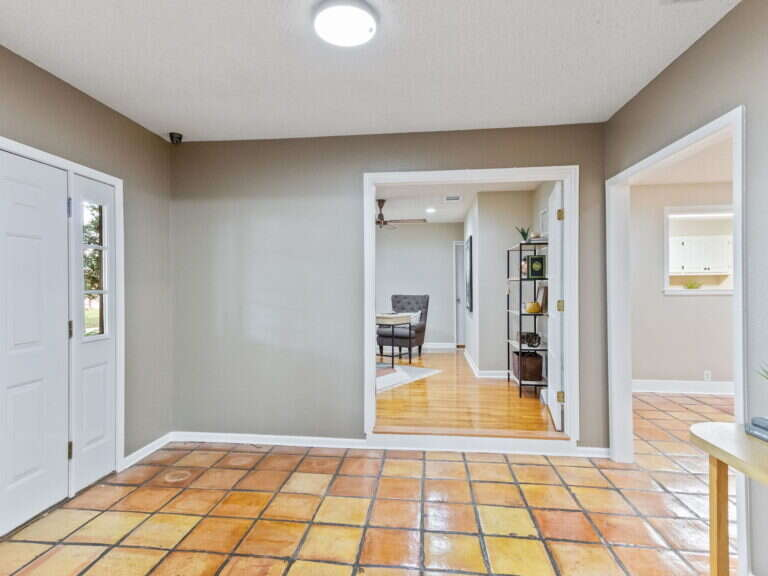
Asking price $319,000 · Closed June 2023
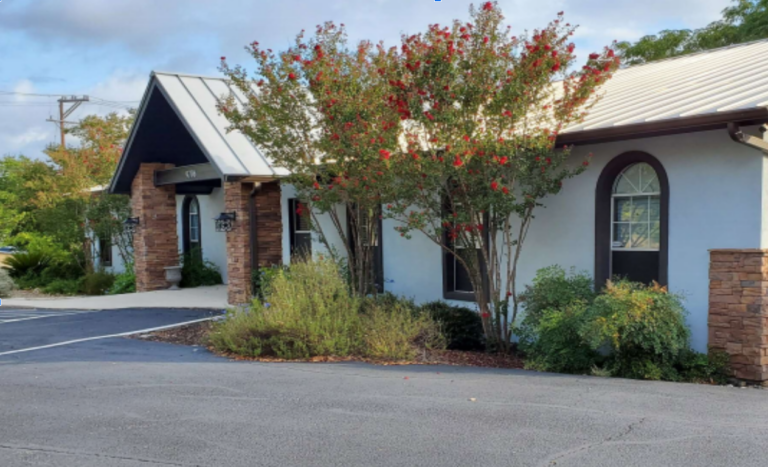
Asking price $1,070,000
The market reports for this kind of property.
We also work these.
What is changing in Texas land, water and growth, explained for owners, not insiders.

TxDOT taking part of your Texas land? See what the state pays for, which losses it doesn't count, how the process runs, and when…

Selling a Texas shopping center? See how a careful buyer rebuilds your income, which fixes can pay off, and how to handle tenant estoppels…

Buying your first Texas shopping center? See how vacancy, taxes and loan terms can turn a 7.5% return into 5%, and what to check…

A 15-minute call. Tell him what you own or what you want to buy. He will tell you what he sees, good and bad. No cost, no pressure.
Talk to Rexor call 210-823-3721
We Are Ready To Help You In Making Smart Real Estate Decisions
Whether you have questions about commercial real estate, need advice on your next investment, or are ready to take the next step, we’re here to help. At Blue Collar Commercial Group of New Braunfels, we pride ourselves on providing personalized, expert guidance at every step. Fill out the contact form, and we’ll get back to you promptly to discuss how we can work together to achieve your goals. Let’s start the conversation today!
Local commercial real estate news and new listings, once a month.