
LeasedOffice
Office for Landlords in San Antonio & New Braunfels Metro
Talk to Rex about officeKeeping your office building filled with reliable occupants requires more than placing a sign by the road, whether you operate a medical office in Boerne, manage executive suites in New Braunfels, or lease professional space in San Marcos. We walk your physical property in work boots, inspect mechanical equipment firsthand, and review active office listings across the corridor to position your building against competing properties. Our team evaluates prospective tenant financials, audits operating expense structures, and negotiates terms designed to protect your bottom line. Tell us about your available space and asset goals, and we will build a tenant recruitment plan that fits your ownership timeline.
Office building landlords face their highest ownership risk when vacancy lingers or tenant improvements outpace lease term value, making credit underwriting and proactive retention central to asset stability. Whether your property is a suburban office park, a multi-tenant medical office building, or a single-story professional suite, empty square footage drains capital every month through routine maintenance, utility base charges, and county property taxes. Securing reliable occupants requires aligning how usable the floor shape is for daily work with the operational demands of area businesses, avoiding unnecessary capital outlays for layouts that offer little long-term utility.
In our advisory work across Comal County and the surrounding corridor, we have seen that accepting the highest headline rent does not always produce the strongest net return. Generous tenant improvement allowances, prolonged rent-free periods, and unexamined corporate balance sheets can turn an attractive lease rate into an operational loss if a tenant defaults early in the agreement. We look past the marketing summary to verify corporate operating history, establish the dollar threshold where operating expenses shift to the tenant, and structure agreements that deliver steady net collections to support your debt service and investment plans.
Leasing commercial office space requires continuous attention to local employment trends, corporate space consolidation patterns, and competitor concession packages. An unrepresented owner frequently bargains at a disadvantage against professional tenant representatives whose primary job is securing concessions, rent discounts, and extensive build-out allowances. Partnering with a dedicated landlord advisory team ensures your property receives structured market exposure while insulating your net income from one-sided lease provisions.
Every lease commitment involves an upfront capital calculation, where dollars spent on space alterations must balance against lease duration and tenant reliability. Offering extensive custom improvements to an unproven business introduces significant capital risk if the tenant struggles and vacates early. Our team balances tenant recruitment goals with capital discipline, ensuring every concession is backed by verifiable credit or secured through an appropriate corporate guaranty.
We examine balance sheets, operating histories, and corporate backing before presenting any prospect for your consideration. Reviewing financial statements upfront filters out uncapitalized operators who introduce immediate default risk to your building. We ensure you commit capital only to businesses capable of fulfilling their obligations throughout the entire lease term.
Headline rental rates can conceal heavy upfront landlord concessions such as free rent and expensive custom alterations. We calculate the true net yield across the full lease duration to reveal exactly what dollars remain after amortizing capital improvements. This quantitative analysis protects your net operating income from being quietly consumed by initial incentives.
Allowing several tenant agreements to conclude in the same calendar year exposes an office property to catastrophic vacancy swings. We actively plan and negotiate lease expiration dates to spread turnover across multiple future cycles. This deliberate scheduling safeguards your debt coverage and keeps your cash flow predictable through fluctuating economic periods.
Prospective tenants judge an office building starting from the parking lot, entry lobby, and shared corridors. We assess your property against competing regional inventory to identify targeted physical adjustments that improve tenant perception without major capital outlays. Polishing these initial touchpoints helps justify asking rates and reduces overall marketing downtime.
Listing an office property on standard commercial portals reaches only a fraction of active business operators. We actively market to professional services, healthcare groups, and expanding regional companies throughout Comal, Hays, and Guadalupe counties. Direct outreach ensures your vacant suites are reviewed by decision-makers seeking local space before they sign elsewhere.
Keeping an existing occupant in place consistently outperforms the cost of finding a new one when factoring in downtime, commissions, and new build-outs. We engage your current tenants well in advance of their renewal windows to address operational concerns and negotiate extensions early. Protecting your in-place rent roll maintains steady asset valuation and avoids unbudgeted turn expenses.
Office property owners contend with shifting tenant workplace policies, rising property maintenance expenses, and tenant demands for turnkey space. Navigating these headwinds requires proactive asset management rather than reactive responses when a suite goes dark. Buildings that lack an active leasing strategy risk accumulating vacancy that dampens overall property reputation and depresses surrounding rents.
We address these challenges by creating clear underwriting benchmarks and establishing standard building finishes that speed up occupancy while containing landlord expenditures. By auditing tenant usage, managing utility allocations, and setting firm leasing boundaries, we help owners overcome local leasing hurdles and maintain competitive advantage across the Hill Country.
Incoming office tenants frequently request extensive layout modifications, specialized wiring, and upgraded architectural finishes at the owner's expense. When improvements are overly customized to one operational style, the owner faces another costly demolition bill whenever that occupant departs. We structure standardized build-out allowances that keep improvements reusable for future commercial occupants.
When an owner signs multiple leases with identical expiration dates, a localized business contraction can empty half the building at once. This sudden drop in revenue threatens bank covenants and forces emergency concession offerings to backfill space. We actively stagger lease end dates during initial negotiations to distribute lease turnover evenly over time.
Modern suburban commercial parks along regional corridors often draw prospective tenants away with newly built common areas and contemporary facades. Established office buildings must lean into established accessibility, ample parking, and competitive pricing to win prospective occupants. We highlight your building's functional strengths to attract practical tenants who prioritize value and location over shiny novelties.
Disagreements over common-area maintenance charges, property tax reassessments, and insurance increases can damage landlord-tenant relationships. Ambiguous lease language regarding base years and expense pass-throughs often results in delayed tenant reimbursements or legal friction. We implement straightforward lease structures that clearly define expense obligations from day one.
Every month an office suite sits empty costs the landlord carrying charges while diminishing the perceived desirability of the entire asset. Broad advertising without active prospect qualification often generates casual inquiries that lead nowhere. We utilize targeted local sourcing and rapid qualification to convert vacant suites into revenue-producing assets promptly.
High-density office users like call centers or clinical providers can monopolize surface parking, frustrating neighboring professional tenants. Without clear contractual parking terms, lot congestion leads to tenant friction and difficult renewal discussions. We incorporate explicit parking ratios and designated stall parameters into every lease agreement to preserve site access for all occupants.
Evaluating an office tenant involves much more than verifying that their initial deposit check clears. A successful lease depends on finding a business whose revenue model, daily staffing density, and physical requirements match what your building was engineered to support. Overlooking fundamental operational criteria early in discussions almost always creates friction during the tenancy.
We help property owners evaluate prospects against a rigorous checklist that balances creditworthiness against practical building use. By setting clear standards for tenant capitalization, space usage, and lease commitments before executing a letter of intent, we ensure incoming occupants enhance your building’s stability rather than burdening its operational budget.
Examine historical balance sheets, profit ledgers, and operating cash flows to verify ongoing business solvency. Relying solely on verbal assertions or brief credit summaries exposes the asset to unbudgeted mid-term defaults. Independent financial review confirms the business can easily absorb their ongoing lease obligations.
Select prospective tenants whose operational workflow naturally aligns with your suite's existing walls, plumbing, and electrical drops. Tenants needing minimal alterations move in faster and preserve your capital for core building improvements. Prioritizing layout compatibility shortens vacancy downtime and lowers initial concession requirements.
Confirm that the prospective lease agreement explicitly outlines tenant responsibility for property taxes, insurance, and routine repairs. Vague clauses regarding the dollar threshold where operating expenses shift to the tenant regularly lead to uncollected reconciliations. Clear drafting protects your net cash flow against inflationary increases in ongoing property overhead.
Secure a formal parent-company guaranty or personal guaranty to support the primary lease agreement whenever working with privately held entities. A formal guaranty provides critical recourse should the operating entity restructure or experience an unexpected revenue drop. Requiring this legal backing confirms the business principals stand fully behind their commercial commitment.
Assess whether the prospect's peak on-site employee and customer counts fit comfortably within your allocated parking capacity. Overcrowded lots create immediate complaints from adjacent suites and can violate local municipal parking ordinances. Aligning tenant headcounts with actual asphalt capacity prevents daily logistical headaches across the property.
Favor prospects willing to invest their own capital alongside the landlord's contribution for interior improvements. A tenant who contributes meaningful equity into custom cabinetry, specialized finishes, or branding is far less likely to abandon the space. Capital co-investment directly reinforces the tenant's long-term operational commitment to your address.
A successful office leasing campaign requires systematic preparation, honest market positioning, and steady execution from the initial walkthrough to lease execution. Rushing space onto the market without a concrete strategy results in extended listing periods, lower achieved rents, and mismatched tenant expectations. We apply a structured six-step advisory framework to keep your property competitive and your capital protected.
Our process focuses on transparent communication and rigorous verification at every stage of the transaction. We audit physical plant components, examine competitive submarket rates, and directly manage prospective tenant inquiries so you can focus on running your business. By steering the process from initial review through future renewal strategy, we establish stable, long-term tenancy for your commercial asset.
We meet at your building to inspect tenant suites, common areas, and mechanical infrastructure while discussing your cash flow goals and hold horizon. Our team reviews existing rent rolls, in-place service contracts, and historical expenses to understand current building operations. This initial baseline aligns our leasing recommendations directly with your overall ownership plans.
We evaluate competing office inventory in your local submarket to establish an asking rate that balances strong revenue with minimal vacancy downtime. Our team benchmarks your building's parking, building finishes, and mechanical condition against active options nearby. Setting an accurate, data-backed rate captures serious prospects without leaving rental revenue uncollected.
We launch a targeted leasing campaign using verified property details, high-resolution architectural photography, and accurate floor plans. Beyond standard commercial listing channels, we directly engage business owners, professional associations, and expanding corporate operators across the region. Proactive outreach ensures your vacancies gain visibility among qualified decision-makers seeking local commercial space.
We screen all incoming inquiries to assess operational compatibility, spatial needs, and financial stability before scheduling on-site tours. Our team requests corporate financial reports, reviews operating histories, and verifies references for prospective occupants. Rigorous initial qualification saves your time and prevents negotiating with uncapitalized operators.
We negotiate letters of intent and formal lease agreements with a focus on preserving your net revenue and limiting landlord liabilities. Our review scrutinizes tenant improvement allowances, renewal rights, expense pass-through structures, and default provisions. We structure terms that protect your capital while concluding negotiations in a timely, professional manner.
Following final signature execution and security deposit receipt, we coordinate space delivery terms and maintain a detailed lease schedule. We establish ongoing communication checkpoints well in advance of upcoming renewal options to assess tenant satisfaction and secure early lease extensions. A proactive renewal plan avoids costly vacancy downtime and preserves your long-term property cash flow.
Every office property owner brings distinct investment objectives, risk tolerances, and capital availability to their commercial portfolio. An owner-occupant leasing out surplus suites has different operational priorities than an investment group managing a large suburban office center. We tailor our landlord advisory services to match the exact requirements of your property structure and financial goals.
Whether you need to reposition an older building following a major vacancy or simply require rigorous tenant underwriting to protect regular distributions, we provide clear, data-driven leasing representation. We work closely with diverse ownership groups across the San Antonio-Austin corridor, helping each client build a dependable, creditworthy tenant roster.
Landlords operating multi-suite properties requiring steady management of rolling expirations and competitive common-area amenities. We handle ongoing marketing, prospective tenant tours, and lease negotiations across multiple suites simultaneously. Our structured leasing approach keeps multi-tenant properties consistently occupied while sustaining healthy net operating income.
Owners leasing specialized facilities designed for healthcare practices, clinical labs, or outpatient diagnostic centers. These properties require careful attention to intensive plumbing, high electrical capacities, accessibility standards, and patient parking allocations. We identify established medical providers capable of funding their portion of clinical build-outs under long-term agreements.
Property owners facing the transition or renewal of a sole corporate occupant occupying an entire commercial building. Replacing a single tenant requires an early start, thorough building system audits, and targeted corporate outreach. We position the property to attract established corporate operations seeking an independent brand presence.
Investors who have acquired their first professional office building or transitioned into commercial ownership from residential rentals. Managing commercial leases, operating expense reconciliations, and commercial build-outs involves unfamiliar operational rules. We provide straightforward guidance through lease structuring, credit review, and ongoing property positioning to protect your capital.
Capital groups purchasing underperforming, unrenovated office assets with plans to upgrade common elements and lift in-place rents. These projects require rapid, targeted leasing alongside physical improvements to achieve targeted stabilized returns. We implement aggressive leasing campaigns and build-out strategies that translate modern interior improvements into solid occupancy.
Leasing commercial office space introduces complex decisions regarding rental rates, improvement allowances, and risk management. Owners must weigh upfront capital outlays against contract duration, credit security, and ongoing operating cost exposure. Having straightforward answers to common leasing questions helps landlords make informed choices that preserve property value.
Below are candid responses to the questions property owners ask us most frequently about office landlord representation. If your specific scenario involves unique lease structures or custom build-out challenges, our team is ready to review your property details across a tailgate or across a conference table.
We establish your asking rate by auditing recent executed leases in competing buildings, evaluating physical property conditions, and analyzing local tenant demand. We review your building’s parking availability, mechanical systems, and common-area finishes compared to nearby alternatives. This comprehensive review delivers a realistic pricing recommendation that maximizes gross collections without causing prolonged vacancy downtime.
In a Full Service Gross lease, the tenant pays a single flat rate, and the landlord covers all property taxes, insurance, utilities, and common-area maintenance up to an established baseline. Under a NNN lease, the tenant pays a base rent amount plus their proportionate share of all property taxes, insurance, and operating expenses directly. NNN leases protect landlords against unforeseen spikes in operating expenses, while gross structures offer tenants billing simplicity and are common in multi-tenant professional buildings.
The appropriate tenant improvement allowance depends on the incoming tenant’s credit strength, the length of the lease commitment, and the condition of the existing space. For established corporate tenants signing long-term commitments, providing capital for interior improvements can be justified if the rent structure amortizes the cost effectively. For shorter lease terms or unproven operators, offering a move-in ready suite or modest cosmetic allowance significantly limits your financial exposure.
Renewing an existing tenant eliminates vacant months where no rent is collected, avoids new leasing commissions, and removes the need for extensive interior demolition and reconstruction. Even if a renewal requires minor cosmetic updates or modest rental adjustments, the overall capital outlay is typically far lower than re-tenanting the suite. Keeping reliable occupants in place provides uninterrupted cash flow that protects your debt coverage.
Contraction options allow a tenant to surrender a portion of their leased premises before the primary term expires, which creates unexpected partial vacancy for the landlord. When negotiated, these provisions must require substantial advance notice, specify exact space configurations that remain easily leasable, and include a penalty fee that reimburses unamortized improvements. We advise resisting contraction rights whenever possible to keep building occupancy and revenue streams stable.
Creating a move-in ready suite with modern finishes, open work areas, and completed lighting attracts tenants who need immediate occupancy without managing construction. Small to mid-size professional firms frequently select spaces they can occupy immediately over properties requiring multi-month design and permitting cycles. Building out clean, flexible suites accelerates decision-making and shortens the time between marketing and rent collection.
We prevent clustered rollover by establishing a forward-looking expiration schedule and negotiating varying initial lease durations across your tenant roster. By structuring some agreements for shorter periods and others for longer horizons, we ensure lease turnover remains manageable and distributed across several calendar years. This staggered schedule protects your property from severe revenue drops during regional economic shifts.
Maintaining strong in-place leases and verifiable tenant credit significantly enhances the market value and liquidity of an office building when preparing for a future 1031 exchange disposition. Well-documented leases with clear expense reimbursements make an asset far more attractive to prospective exchange buyers seeking steady passive income. A qualified tax advisor can evaluate how this applies to your situation before you finalize major leasing agreements or consider an exchange.
Each sale shows the asking price, and the closing date when we have it.
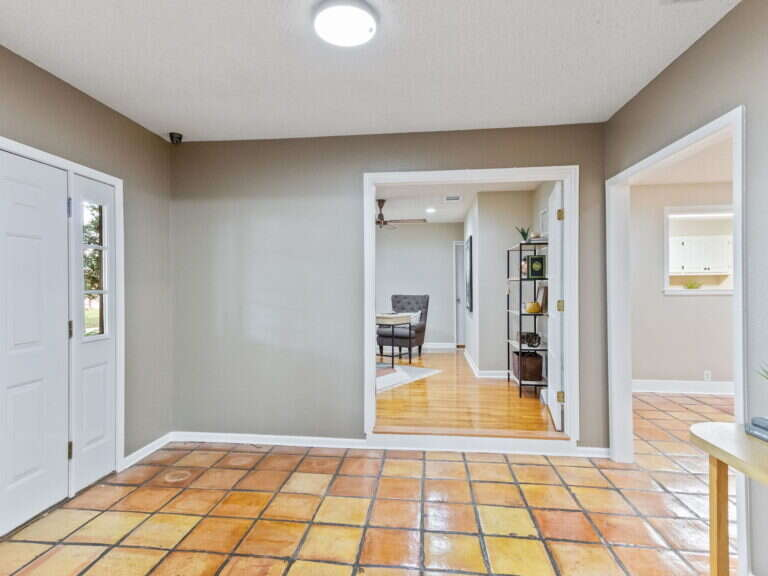
Asking price $319,000 · Closed June 2023
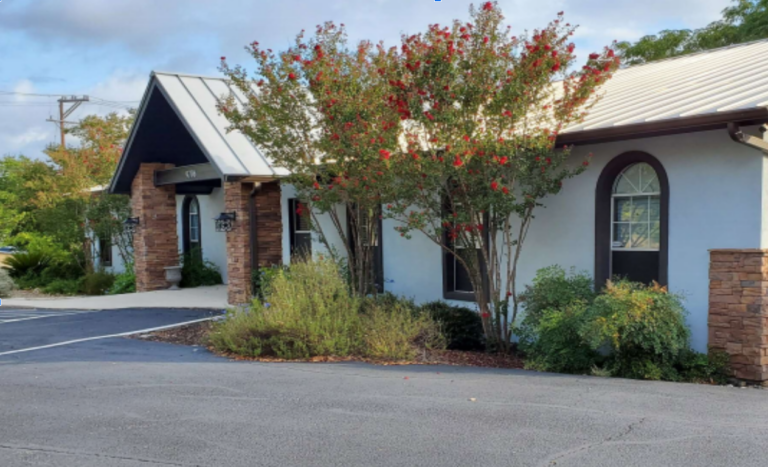
Asking price $1,070,000
The market reports for this kind of property.
We also work these.
What is changing in Texas land, water and growth, explained for owners, not insiders.

TxDOT taking part of your Texas land? See what the state pays for, which losses it doesn't count, how the process runs, and when…

Selling a Texas shopping center? See how a careful buyer rebuilds your income, which fixes can pay off, and how to handle tenant estoppels…

Buying your first Texas shopping center? See how vacancy, taxes and loan terms can turn a 7.5% return into 5%, and what to check…

A 15-minute call. Tell him what you own or what you want to buy. He will tell you what he sees, good and bad. No cost, no pressure.
Talk to Rexor call 210-823-3721
We Are Ready To Help You In Making Smart Real Estate Decisions
Whether you have questions about commercial real estate, need advice on your next investment, or are ready to take the next step, we’re here to help. At Blue Collar Commercial Group of New Braunfels, we pride ourselves on providing personalized, expert guidance at every step. Fill out the contact form, and we’ll get back to you promptly to discuss how we can work together to achieve your goals. Let’s start the conversation today!
Local commercial real estate news and new listings, once a month.