
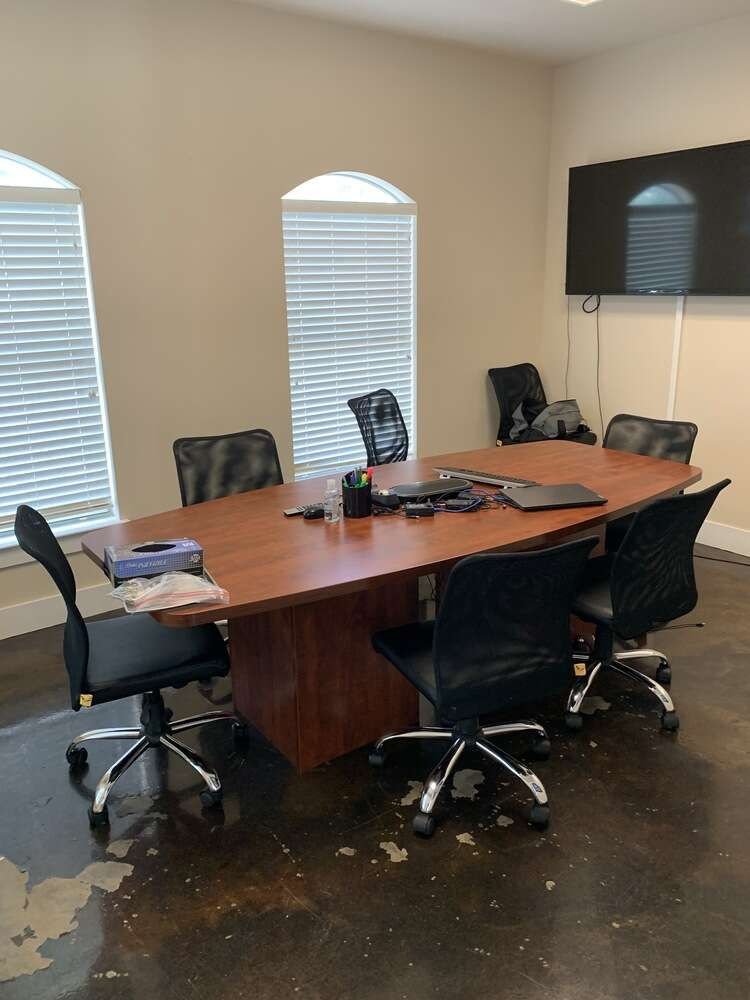
LeasedOffice
Office for Buyers in San Antonio & New Braunfels Metro
Talk to Rex about officeWhether you need a single-tenant building for your own practice or an income-producing asset to diversify your portfolio, buying office property requires looking past cosmetic finishes to the underlying mechanicals and leases. We evaluate active office listings across New Braunfels, Boerne, and San Marcos by auditing tenant expense ledgers, measuring parking capacity firsthand, and checking electrical and plumbing infrastructure on site. Our team at Blue Collar Commercial Group walks the physical property with you and reviews county tax records so you know exactly what you are purchasing. Tell us what your business or investment model requires, and we will identify spaces built to support it.
Office building buyers are ultimately purchasing in-place lease commitments, tenant credit stability, and parking capacity before square footage. While an office flyer presents overall building size, the true value of an asset rests on how much of the space you pay for is space tenants can actually use, how long current leases run, and whether existing tenants operate on gross or NNN lease structures. In markets along Highway 46 and the I-35 corridor, office inventory spans single-tenant professional suites, multi-tenant suburban buildings, Class A corporate facilities, and medical offices. Investors and business owners must determine early whether their capital strategy prioritizes immediate cash flow from stabilized rent rolls or long-term equity growth through physical improvements and tenant repositioning.
Assessing an office acquisition requires testing every operational assumption before earnest money goes non-refundable. We read each lease against actual bank deposits rather than relying on an offering memorandum, confirming what tenants pay toward operating expenses and whether any renewal options include below-market rent caps. Mechanical systems tell the rest of the story; commercial chillers, commercial roof membranes, and municipal utility tap capacities can erase projected returns if they require near-term replacement. Leigh Neves has been helping commercial real estate buyers evaluate physical properties and financial documentation since 2020, focusing on the real numbers that determine post-closing performance.
Purchasing an office building provides tangible real estate backed by contractual lease commitments from commercial, professional, and medical tenants. For owner-occupants, acquiring a freestanding office or a commercial condo eliminates rent escalation risk, allows customized interior build-outs, and builds company equity through mortgage paydown. For third-party investors, multi-tenant office properties spread vacancy risk across different business sectors, creating regular cash flow while offering depreciation advantages through structural and interior capital allocation.
Every office investment involves real operating considerations that buyers must factor into their financial models. Tenant turnover requires capital for new paint, flooring, and interior alterations, while property tax reassessments following a purchase and insurance repricing at policy renewal can compress net operating margins. Buyers who underwrite these periodic ownership expenses realistically and keep cash in reserve find that well-located office real estate remains a reliable wealth-preservation asset across changing market cycles.
Commercial office leases typically run for multi-year commitments, creating structured income that supports dependable debt service coverage. Multi-tenant office properties distribute rental revenue across varied professional sectors, preventing a single departure from compromising building operations. Pass-through structures such as NNN terms require occupants to pay their share of property taxes, property insurance, and common maintenance. This consistent income framework helps buyers model debt obligations and long-term financial distributions with clarity.
Purchasing a commercial office building allows professional firms to replace rent payments with principal reduction that builds balance-sheet equity. Business owners gain total autonomy over interior layouts, client reception areas, branding, and facility upgrades without seeking landlord consent. Controlling the real estate also protects the business against forced relocations when an underlying lease expires. Over time, ownership converts an ongoing operational overhead expense into a lasting corporate asset.
Most commercial office leases incorporate annual rent bumps that elevate top-line revenue throughout the term of occupancy. When leases expire, owners have the opportunity to reset base rents to prevailing market levels while passing higher utility and maintenance charges directly to tenants. Replacement construction expenses for steel, concrete, and commercial mechanical systems also support in-place building valuations by raising the cost threshold for competing developments. These structural mechanics help protect capital against broader currency devaluation.
Purchasing an older or under-managed office building offers clear paths to lift property valuation through focused capital improvements. Updating building common areas, renovating restrooms, improving landscaping, and upgrading exterior lighting allow owners to attract higher-credit professional tenants. Reconfiguring outdated layouts into efficient suites increases the rentable square footage that tenants can productively occupy. These proactive improvements expand effective collections and reposition the property for long-term equity appreciation.
Medical practices, dental clinics, and diagnostic labs invest heavily in specialized plumbing, reinforced power, and clinical equipment within their office suites. Because these costly interior installations make relocation disruptive and expensive, clinical tenants demonstrate longer average tenancies than general office users. Their patient base requires dedicated parking, convenient ground-floor access, and compliance with ADA accessibility guidelines. Acquiring medical office assets provides high tenant retention and resilient occupancy through varied economic cycles.
Acquiring commercial office property opens significant tax management avenues through depreciation schedules on both the real property structure and its interior components. Cost segregation studies permit buyers to accelerate write-offs on items such as specialty lighting, floor coverings, and dedicated mechanical circuits. Investors can also defer capital gains liability when selling a property by executing a 1031 exchange into replacement commercial assets, where eligible under IRS regulations. These provisions allow investors to preserve capital and redeploy funds directly into their portfolios.
Purchasing an office building brings complex financial and physical variables that differ substantially from residential or raw land transactions. Buyers must evaluate tenant lease structures, verify whether deferred maintenance lurks within commercial mechanical systems, and evaluate how efficiently tenants can actually use the interior floor space. Overlooking an impending lease expiration or misunderstanding who pays for structural roof repairs can turn an ostensibly attractive cap rate into an ongoing capital drain.
We help buyers uncover and address these issues before legal contingencies expire. Our advisory method focuses on verifying the gap between the space you rent and the space you occupy, auditing common area maintenance reconciliations, and confirming that municipal zoning and parking stall counts accommodate the building’s current and future uses. By handling due diligence with strict attention to operational facts, we protect buyers from unexpected capital calls after closing.
When an office tenant vacates, preparing the suite for a new occupant requires funding space alterations, fresh paint, modern flooring, and broker leasing fees. Failing to keep adequate cash reserves for these transitional periods can strain building cash flow while suites sit empty. Buyers must review the capital expenditure history of the property to confirm how much previous owners spent on recent tenant turnovers. Underwriting realistic capital allowances protects your operating budget from unexpected renovation expenses.
Commercial HVAC package units, chillers, and flat commercial roof membranes represent the largest capital replacement costs an office owner faces. Deferred equipment maintenance can result in sudden failures, uncomfortable indoor temperatures, and contentious tenant disputes during extreme summer heat. Our team inspects mechanical tags, verifies maintenance contracts, and reviews remaining useful equipment life during property inspections. Identifying these aging components allows buyers to adjust their purchase pricing or require seller remediation before closing.
An office building with multiple tenant leases ending in the same calendar period presents sharp downside risk if several occupants decide to relocate simultaneously. If large tenants vacate without immediate replacements, building revenues drop while fixed expenses for property taxes, insurance, and utilities remain constant. Buyers must evaluate lease expiration schedules and interview major occupants regarding their renewal intentions before finalizing deal terms. Structuring purchase financing around weighted lease terms helps maintain debt stability during tenant transitions.
Office tenants depend on practical parking capacity to accommodate staff and visiting clients throughout the working day. High-density users such as customer contact centers, medical clinics, and software development teams require significantly more parking stalls per square foot than standard corporate offices. Inadequate parking stalls can breach lease agreements, limit future tenant recruitment, and trigger municipal code enforcement violations. We confirm dedicated parking spaces, verify cross-parking easements, and check city parking regulations during site reviews.
County appraisal districts frequently reassess the taxable value of an office property following a recorded change of ownership, leading to substantial tax bill increases. Concurrently, property insurance carriers re-underwrite commercial policies at current replacement costs, which can increase annual insurance premiums. If leases lack strong pass-through language, the building owner must absorb these expanded expenses directly, compressing net yields. We audit historical tax assessments and review current carrier quotes so your financial pro forma reflects actual post-sale costs.
Tenants pay rent based on square footage calculations that include shared lobbies, public corridors, and common mechanical rooms. If the share of the space you pay for that you cannot actually use is excessively wide, prospective tenants will look at competitive properties where usable area is higher for the same rental dollar. This gap can lengthen vacancy intervals and force landlords to offer lower base rates to compete. We examine building floor plans to confirm that space layouts remain attractive to modern commercial occupants.
Thorough due diligence separates a profitable office investment from an underperforming asset with recurring maintenance headaches. Evaluating an office property requires examining two distinct components: the physical integrity of the building systems and the legal stability of the in-place rent roll. Buyers must verify that electrical panels support modern office technology, that plumbing lines satisfy municipal codes, and that tenant leases contain enforceable reimbursement language.
We walk every building alongside commercial inspectors and engineering specialists to verify structural condition, utility capacity, and site drainage. Reviewing past utility billing and municipal records confirms whether water and sewer capacities can support specialized tenants such as medical offices or executive suites. By compiling objective operational data during the diligence period, we help buyers negotiate contract credits or walk away from problematic assets before closing.
Review every original lease agreement, amendment, and corporate guaranty rather than relying on an unverified marketing summary. Verify stated rental rates against historical bank deposits to confirm that tenants pay their obligations consistently and on schedule. Confirm lease expiration dates, subleasing permissions, renewal options, and tenant termination rights that could affect future asset stability. Auditing these primary source documents protects buyers from unexpected concessions or unrecorded landlord obligations.
Count the actual physical parking spaces on site and evaluate how easily vehicles navigate ingress and egress points during peak morning and evening traffic. Review recorded plat maps and reciprocal easement agreements to confirm that parking spaces are deeded to the building rather than shared informally with neighboring properties. Verify whether dedicated accessible parking spaces satisfy current ADA compliance guidelines. Adequate, legally secured parking ensures the building can support high-density professional and medical tenants.
Inspect all rooftop HVAC package units, air handlers, commercial chillers, and thermostat control networks to establish their current operating condition. Obtain equipment age, maintenance logs, and remaining service life estimates from licensed mechanical technicians to budget for upcoming replacements. Perform a core sample or thermal moisture scan of the roof membrane to identify hidden leaks or deteriorated decking. Confirming equipment condition before closing prevents sudden repair bills during your initial ownership months.
Audit lease terms to verify whether tenants operate on full service gross, modified gross, or NNN lease agreements. When leases include base-year expense structures, identify the point past which building operating costs become the tenant's responsibility rather than the landlord's. Examine three years of property operating ledgers to confirm accurate reconciliation of property taxes, building insurance, and routine maintenance charges. Clear expense recovery provisions protect owner cash flow as municipal taxes and utility fees shift over time.
Evaluate the architectural layout of each floor to determine how usable the floor's shape is for the way modern professional teams work. Check the gap between the space you rent and the space you occupy to confirm that tenants receive sufficient private square footage relative to common halls. Examine load-bearing column placement and demising walls to evaluate how easily large suites can be subdivided into smaller professional offices. Flexible, efficient layouts attract a wider variety of businesses and lower long-term vacancy exposure.
Check ground-level access paths, exterior ramps, door clearances, and public restroom layouts against current ADA accessibility requirements. Inspect fire alarm panels, emergency egress lighting, smoke detectors, and overhead fire sprinkler networks for active municipal inspection certifications. Check local building code records to identify whether older architectural elements have been grandfathered or require immediate modernization upon title transfer. Addressing life safety items early prevents costly city citations and tenant occupancy delays.
Confirm that on-site electrical service panels provide adequate three-phase power to run commercial chillers, data servers, and specialized medical machinery. Verify water meter sizing, municipal sewer tap connections, and backflow preventer certifications through city public works departments. Review historical monthly electric and water bills to establish average utility usage trends across warm and cool seasons. Documenting utility capacities confirms the building can accommodate growing medical, technical, and corporate users.
Purchasing an office building demands a disciplined evaluation method that aligns property specifications with your financial criteria. Whether you are executing a 1031 exchange under statutory deadlines or seeking a standalone commercial facility for your medical practice, skipping operational due diligence introduces unneeded capital risk. We provide a structured acquisition roadmap that uncovers the physical condition, municipal encumbrances, and tenant realities of every potential building.
Blue Collar Commercial Group works alongside your CPA, lender, and legal counsel through every phase of the purchase. We pull county tax rolls, inspect mechanical assets directly on site, and review municipal utility records to ensure no surprises arise once legal contracts are signed. Our six-step advisory process delivers the objective data you need to buy with confidence.
We begin by defining your specific investment criteria, capital timeline, and required financial returns. Our team clarifies whether you are seeking an owner-occupied facility, a stabilized multi-tenant asset, or an under-performing building suited for physical repositioning. We review financing structures, equity availability, and exchange requirements to establish clear buying parameters. This initial planning aligns your property search with practical operational and investment targets.
We analyze target submarkets such as New Braunfels, Seguin, and Boerne to assess local office vacancy, average rental rates, and competitive construction pipelines. Our team maps required commute patterns, client accessibility, and daily road visibility along key routes like Highway 46 and I-35. We also identify specific operational necessities, including parking ratios, clinical plumbing requirements, and electrical capacities. This rigorous market review narrows your search to properties that match your functional needs.
We scan active commercial listings, private property ownership databases, and our local professional network to source relevant office opportunities. Our team evaluates on-market and off-market assets against your criteria, filtering out properties with encumbered titles, poor access, or excessive deferred capital needs. We prepare detailed comparison summaries that evaluate asking prices, usable square footage, and in-place tenant rosters. This targeted sourcing delivers a vetted shortlist of commercial buildings worth your time.
We walk every shortlisted property with you, examining building components from the mechanical roof systems down to the foundation. Our team inspects shared lobbies, tenant suites, electrical switchgear rooms, and exterior parking configurations during business hours. We verify vehicle ingress, line-of-sight visibility, and the physical condition of adjacent properties in the surrounding commercial park. These detailed site visits reveal physical realities that standard marketing brochures omit.
We draft comprehensive purchase contracts that protect your capital through clear inspection contingencies, financing clauses, and document delivery timelines. Our team uses local sales comps and capital replacement estimates to negotiate favorable pricing, earnest money terms, and seller credit allowances. We define specific seller obligations regarding tenant estoppel delivery, survey updates, and title cure periods. This disciplined negotiation establishes clear contractual protections before you commit non-refundable funds.
During the formal feasibility period, we coordinate commercial property condition assessments, Phase I environmental reviews, and tenant lease audits. We examine historical property operating statements, verify utility tap fees, and review county tax assessments for post-closing adjustment risks. Our team assists your lender and title company with survey reviews and closing statement verifications. We stand beside you through the final walkthrough to ensure a smooth, transparent transfer of ownership.
Commercial office acquisitions attract a wide spectrum of buyers, each motivated by distinct capital timelines, management capacities, and operational needs. Some clients require direct control over their physical work environment to support medical or professional operations, while others seek commercial assets to generate passive rental cash flow and build generational equity. Matching acquisition strategy to the buyer’s resources ensures long-term operational success.
We advise buyers across all experience levels, from first-time commercial purchasers acquiring their initial professional suite to seasoned family offices executing complex multi-property acquisitions. Our team provides objective valuation data, zoning reviews, and lease audits tailored to your specific profile. Below are the primary buyer groups we regularly represent across the Texas Hill Country.
Law firms, accounting practices, engineering consultancies, and corporate teams seeking to own their physical real estate rather than leasing. These buyers prioritize accessible locations, dedicated parking, professional reception areas, and the freedom to customize interior office build-outs. Purchasing allows them to stabilize occupancy expenses, eliminate landlord disputes, and accumulate commercial property equity over their professional careers. We locate freestanding buildings and office suites that support daily operations and long-term business stability.
Physicians, dental groups, and specialized healthcare practices looking for facilities capable of housing complex diagnostic and clinical machinery. These buyers require dedicated ground-floor access, ADA-compliant restrooms, robust plumbing networks, and higher parking stall ratios to serve continuous patient visits. Acquiring medical office space protects expensive specialized build-outs from lease termination risks and creates lasting property value. We evaluate utility hookups, zoning permissions, and parking counts to secure compliant healthcare properties.
Real estate investors targeting under-performing or partially vacant office buildings that can be upgraded through physical renovations and active leasing. These buyers look for properties with below-market rents, deferred cosmetic maintenance, or outdated suite layouts that can be modernized into higher-demand professional offices. By executing capital improvements and stabilizing tenant rolls, they generate substantial net operating income growth and equity appreciation. We assist by identifying properties with structural upside and verifiable rent lift potential.
Property owners selling appreciated land, multifamily units, or retail buildings who need to redeploy sales proceeds into replacement commercial real estate. These buyers operate under strict statutory deadlines that require identifying replacement assets quickly after their sale closing. They typically seek stabilized office buildings with established, multi-year NNN or modified gross leases to secure reliable income without intensive daily management. We source vetted, income-producing office properties that satisfy exchange requirements and preserve capital.
Investors transitioning out of residential rental properties into commercial real estate to secure longer lease terms and professional tenant relationships. These buyers require straightforward guidance on commercial lease structures, tenant expense pass-throughs, and commercial lender underwriting standards. They often seek single-tenant net leased buildings or small multi-tenant professional properties that offer manageable operational oversight. We guide first-time buyers through every diligence step, ensuring they understand post-closing cash reserve and building management requirements.
Private investment partnerships and regional family offices seeking capital preservation and multi-generational wealth accumulation through tangible commercial assets. These buyers prioritize quality construction, prime arterial frontage along corridors like I-35, and strong corporate tenant credit. They often acquire Class A suburban office buildings or medical clusters with predictable distribution schedules and low turnover histories. We provide institutional-grade lease audits and on-the-ground market intelligence to support their long-term capital allocation strategies.
Purchasing an office building involves detailed questions about financing standards, lease structures, physical diligence, and post-closing operations. Buyers must understand how commercial lenders evaluate tenant credit, what physical inspections are necessary, and how to maintain cash reserves once ownership transfers. Having direct answers to these operational questions prevents surprises during contract negotiations.
We believe in giving straight answers backed by real property records and transaction experience. Below are the common questions buyers ask when evaluating commercial office buildings in New Braunfels, Comal County, and the broader Texas Hill Country. If you have a specific scenario not covered here, contact our team for a direct conversation.
Commercial lenders evaluate an office acquisition primarily on the property’s in-place net operating income and the strength of its tenant lease roll rather than personal borrower income alone. Lenders look for a solid debt service coverage ratio to confirm that building revenues comfortably exceed monthly mortgage obligations with room to spare. They review weighted average lease terms, tenant credit histories, and historical occupancy records to measure income stability. Buyers must also demonstrate sufficient post-closing cash reserves to handle tenant improvement allowances and unexpected mechanical repairs without defaulting on debt service.
Office buildings require higher ongoing capital expenditures for interior build-outs and tenant improvements than industrial warehouses, but they often command higher rental rates per square foot. Industrial properties focus heavily on clear ceiling heights, truck court depths, dock loading doors, and heavy power capacity, featuring open layouts that require minimal landlord renovation between tenants. Office buildings demand ongoing attention to commercial HVAC maintenance, elevator servicing, common lobby finishes, and higher parking stall ratios to accommodate dense employee counts. Buyers choosing between the two must decide whether they prefer the lower turnover costs of industrial space or the diverse professional and medical tenant base of office assets.
Usable square footage is the actual private interior space a tenant exclusively occupies to conduct daily business operations. Rentable square footage includes that private area plus a proportionate share of the building’s common spaces, such as entry lobbies, public restrooms, electrical closets, and shared hallways. The gap between the space you rent and the space you occupy represents the share of the space you pay for that you cannot actually use for desks or clinical equipment. When purchasing an office building, evaluating this relationship confirms whether tenant rental charges remain competitive against nearby properties with more efficient layouts.
A buyer should maintain sufficient liquid capital in reserve after closing to cover several months of full operating expenses and debt service payments in the event of an unexpected vacancy. Beyond basic debt service cushions, reserves must account for upcoming tenant improvement commitments, leasing commissions for incoming occupants, and potential mechanical replacements such as commercial HVAC units. Relying solely on monthly rental collections to fund capital repairs exposes owners to acute financial strain if a major tenant departs or delays payment. Establishing dedicated replacement reserve accounts during acquisition underwriting protects your investment against sudden market disruptions.
An office buyer should hire an independent commercial mechanical engineer to inspect every rooftop package unit, split system, commercial chiller, and digital control thermostat on the property. The engineer should verify unit age, compressor condition, refrigerant compliance, and past maintenance service logs to estimate the remaining useful life of each component. In warm climates, continuous cooling demands place severe stress on older HVAC compressors, and replacing multiple commercial units can cost thousands of dollars immediately after purchase. Uncovering deferred mechanical maintenance during the contractual inspection period enables buyers to negotiate price concessions or require seller replacements prior to closing.
A 1031 exchange allows a real estate investor to defer capital gains taxes by rolling proceeds from the sale of an appreciated investment property into a replacement commercial office building. The exchange process is governed by strict statutory deadlines that begin on the day the relinquished property sale closes, and missing either statutory timeline automatically disqualifies the tax deferral. A Qualified Intermediary must be formally engaged to hold the transaction proceeds before the initial sale closes, as taking constructive receipt of the funds voids the exchange. A qualified tax advisor can evaluate how these exchange rules apply to your specific tax and investment position.
Selecting a commercial property management firm requires verifying their direct experience overseeing office assets rather than solely residential or industrial properties. Office management demands proactive vendor coordination for janitorial services, elevator maintenance, fire alarm testing, and HVAC servicing, as well as prompt communication with professional tenants. The management team must also possess robust accounting systems to manage annual common area maintenance reconciliations and enforce lease pass-through provisions accurately. Reviewing a management company’s reporting transparency, local contractor relationships, and average tenant retention rates ensures your building operates smoothly post-closing.
When an office property transfers ownership, county appraisal districts routinely reassess the building’s taxable value based on the newly recorded sale price or current market benchmarks. If the previous owner held the property under an older, lower assessment, the annual property tax bill can increase substantially in the tax year following the sale. If the property’s leases are structured as full service gross where the landlord pays all taxes, this increased assessment directly reduces the owner’s net cash flow. A commercial property tax consultant can review your projected assessment to estimate realistic tax liabilities and assist with formal valuation protests where appropriate.
Each sale shows the asking price, and the closing date when we have it.
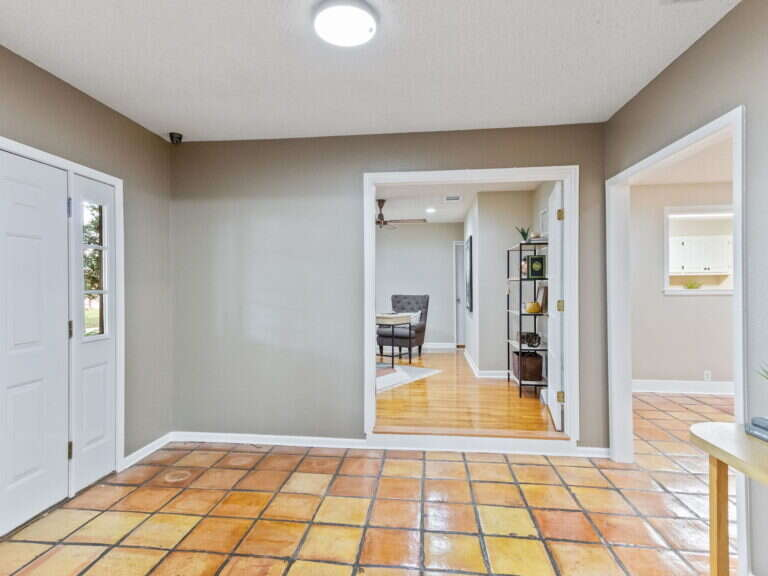
Asking price $319,000 · Closed June 2023
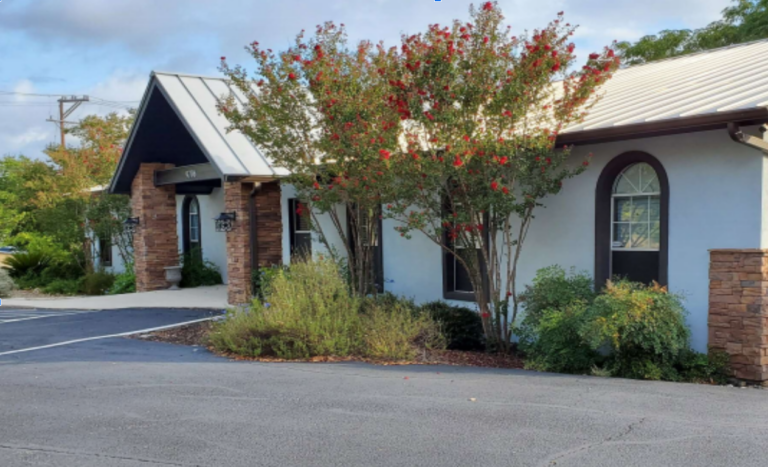
Asking price $1,070,000
The market reports for this kind of property.
We also work these.
What is changing in Texas land, water and growth, explained for owners, not insiders.

TxDOT taking part of your Texas land? See what the state pays for, which losses it doesn't count, how the process runs, and when…

Selling a Texas shopping center? See how a careful buyer rebuilds your income, which fixes can pay off, and how to handle tenant estoppels…

Buying your first Texas shopping center? See how vacancy, taxes and loan terms can turn a 7.5% return into 5%, and what to check…

A 15-minute call. Tell him what you own or what you want to buy. He will tell you what he sees, good and bad. No cost, no pressure.
Talk to Rexor call 210-823-3721
We Are Ready To Help You In Making Smart Real Estate Decisions
Whether you have questions about commercial real estate, need advice on your next investment, or are ready to take the next step, we’re here to help. At Blue Collar Commercial Group of New Braunfels, we pride ourselves on providing personalized, expert guidance at every step. Fill out the contact form, and we’ll get back to you promptly to discuss how we can work together to achieve your goals. Let’s start the conversation today!
Local commercial real estate news and new listings, once a month.