
SoldMultifamily
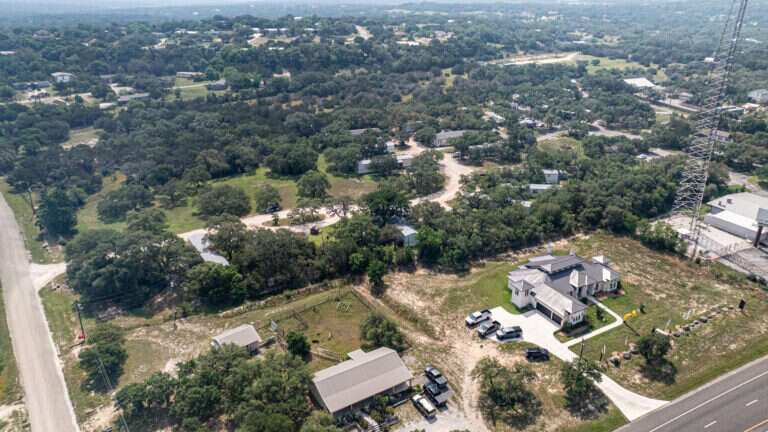
8117 Silverwings, Spring Branch
Asking price $995,000
Multifamily for Sellers in San Antonio & New Braunfels Metro
Talk to Rex about multifamilyDeciding to sell an apartment property across New Braunfels, Boerne, or San Marcos requires clear operational facts rather than general broker optimism. We audit your rent rolls, verify physical plant conditions against municipal utility capacity, and model realistic buyer debt before pricing ever goes public. Whether your priority is exchanging equity, settling an ownership account, or exiting hands-on property management, we position your multi-family asset to attract credible capital ready to close.
Selling multi-family property is a valuation-driven process that turns on building specifications, lease structure, and buyer type. Acquirers in Comal County and along the I-35 corridor scrutinize actual collections and operating outlays rather than pro forma marketing packages. Whether your holdings comprise garden-style apartment complexes, duplex clusters, suburban quadplexes, or low-rise residential communities, transaction success hinges on presenting verifiable numbers that survive commercial lending audits.
Blue Collar Commercial Group approaches multi-family dispositions by walking every mechanical room, reviewing utility tap histories, and reading individual leases against the master roll before listing. We evaluate private well systems, municipal sewer tie-ins, and parking ratios across Hays County and Guadalupe County assets to ensure pricing reflects true site value. Our team has advised commercial clients since 2020 with unvarnished data so ownership groups can execute clean exits without protracted renegotiations during escrow.
Multi-family property owners consider dispositions for distinct capital and operational reasons. Shifts in regional lending standards, changing insurance underwriting, and personal capital priorities frequently make equity redeployment a prudent decision for private investors and regional syndicates alike. Bringing an apartment asset to market allows an owner to capture accumulated equity, simplify balance sheets, or fund alternative commercial ventures with reduced daily management requirements.
Timing a disposition requires balancing market demand against transaction realities, as unaddressed deferred maintenance or inconsistent tenant collections can compromise valuation during buyer inspections. Capitalizing on strong local employment drivers across Central Texas creates opportunities, yet sellers must prepare for thorough debt underwriting from institutional and private buyers. Weighing these market conditions alongside long-term investment objectives confirms whether an immediate sale or an interim hold best serves your balance sheet.
Many apartment owners reach a phase where transitioning into single-tenant net lease assets or undeveloped land aligns better with long-term plans. Reinvesting proceeds through a structured exchange defers immediate tax liabilities while eliminating day-to-day tenant repair calls. This capital migration allows operators to reposition capital into passive commercial vehicles without interrupting wealth preservation goals.
Older multi-family properties eventually face roof replacements, parking lot resurfacing, and plumbing line repairs that erode net revenue. Selling before major capital expense cycles allows an owner to transfer renovation requirements to buyers structured specifically for value-add repositioning. This protects past rental earnings from being consumed by heavy building infrastructure upgrades.
Multiple partners or family trusts frequently find their operational goals diverging over time regarding debt payoff or property improvements. A structured sale delivers clean liquidity, establishing an unambiguous valuation that simplifies asset distribution or estate settlement. Resolving ownership transitions through a clear commercial sale prevents partnership disputes and creates defined financial outcomes.
Managing resident turnover, maintenance emergencies, and regional vendor contracts places substantial administrative demands on private owners. Selling multi-family assets relieves ownership of direct staff oversight and vendor management across Comal County and surrounding areas. This operational exit frees time and resources for alternative commercial pursuits.
Properties acquired years ago often hold substantial unrealized gains driven by regional residential development and infrastructural expansions along Highway 46. Disposing of the asset monetizes this growth, transforming non-liquid property appreciation into deployable capital. Exiting allows owners to harvest accumulated equity rather than leaving it tied to physical building operations.
Hill Country water restrictions, municipal wastewater capacity limits, and county utility district regulations require constant attention from rental operators. Transferring ownership to well-capitalized regional entities removes ongoing regulatory exposure and compliance oversight. This transition protects sellers from prospective regional utility surcharges or mandatory capital improvements.
Selling an occupied apartment community introduces distinct transactional friction that single-tenant or vacant properties never encounter. Maintaining steady rental collections while managing prospective buyer inspections requires careful coordination to prevent tenant alarm or premature lease cancellations. Furthermore, commercial lenders demand extensive historic documentation, which quickly derails closings if property books and physical maintenance records are incomplete.
We solve these obstacles by controlling communication, screening purchasing entities before granting property access, and assembling comprehensive offering packages prior to launch. Our practical approach uncovers physical or financial inconsistencies on the front end, ensuring repair negotiations and lease audits proceed on clear terms. By establishing factual underwriting files early, we prevent late surprises from jeopardizing your sale proceeds.
Premature knowledge of a potential property sale can trigger resident anxiety, leading to unnecessary lease non-renewals and staff resignations. We require signed non-disclosure agreements and qualify purchasing capability before releasing private financial records or scheduling walking tours. This controlled process protects property stability and preserves operational cash flow throughout the disposition.
Many private multi-family owners manage billing through personalized software or cash-basis accounting that institutional lenders challenge during loan approvals. We reconstruct historical collections into standardized operating statements that clearly separate discretionary owner expenses from pure building overhead. Presenting lender-ready financial statements minimizes financing delays and keeps buyers committed to agreed pricing.
Septic fields, limestone water wells, and caliche sub-bases common in Comal County can prompt buyers to demand aggressive price cuts late in due diligence. We audit mechanical, electrical, and drainage infrastructure prior to marketing, assembling contractor bids and inspection histories ahead of time. Documenting true physical conditions eliminates speculative buyer renegotiations and protects your bottom line.
Coordinating buyer walk-throughs across occupied residential units creates friction with residents and strains on-site management. We coordinate structured, clustered walkthrough windows and accompany inspecting teams to ensure respectful, efficient site reviews. This oversight minimizes tenant disruption while satisfying buyer due diligence requirements.
Commercial lenders frequently adjust debt terms midway through underwriting, tempting buyers to demand sudden price reductions. We pre-vet the lending relationships and equity sources of every prospective purchaser before accepting an earnest contract. Vetting buyer capital structures prevents mid-escrow price concessions and enforces contract performance.
Historical unit expansions or non-conforming parking arrangements can raise municipal compliance flags during buyer title and survey reviews. We check local municipal records in cities like New Braunfels, Seguin, and San Marcos to identify zoning or certificate issues early. Resolving certificate questions before closing protects transaction timelines from municipal delays.
A successful multi-family closing requires anticipating what an institutional or private buyer will discover during their contract inspection period. Buyers do not simply evaluate curb appeal; they dissect delinquency reports, analyze vendor service contracts, and calculate property tax reassessment exposures following title transfer. Organizing your diligence package before going to market establishes credibility and maintains seller leverage from contract signing through closing.
We advise multi-family sellers to assemble property records with the same discipline that lenders use to evaluate commercial debt. Verifying boundary fences, water meter assignments, and roof warranties removes ambiguity from purchase negotiations. This structured preparation confirms every physical and operational fact, allowing sellers to defend their pricing with verified local evidence.
Prospective buyers compare monthly deposits directly against stated rent rolls to identify chronic delinquencies or uncollected utility reimbursements. Having twelve consecutive months of reconciled bank statements and signed lease agreements validates your published gross collections. Demonstrating verifiable historical collections prevents buyers from discounting your net operating income during diligence.
Whether an apartment complex uses master water meters, sub-meters, or dedicated municipal hookups fundamentally shapes operating margins. Clarifying utility reimbursement structures and confirming legal sewer easements protects sellers against speculative utility deductions. Defining utility infrastructure clearly establishes property operating stability for commercial underwriters.
A transaction frequently prompts county appraisal districts in Comal, Hays, or Bexar counties to adjust assessed values toward the purchase price. Savvy buyers underwrite higher post-sale ad valorem taxes, which directly affects how much debt the building's income can support. Providing clear documentation of current protest histories helps buyers calculate realistic holding costs without slashing initial offer prices.
Heating, ventilation, and air conditioning equipment ages rapidly under Central Texas summer conditions, making mechanical histories a primary buyer focus. Supplying maintenance logs, replacement records, and remaining roof warranties shifts mechanical scrutiny from a perceived risk to a verified asset. This transparent service history eliminates broad repair allowances during contract negotiations.
Agreements for waste management, laundry leasing, pest control, and landscaping often contain automatic renewal clauses or steep cancellation penalties. Auditing vendor agreements prior to listing identifies which contracts transfer cleanly to a buyer and which require termination notices. Cleaning up vendor obligations prevents unexpected transfer charges from reducing net proceeds at settlement.
Hill Country topography often features shallow limestone soil and natural run-off paths that affect parking lots and retaining walls. Having an up-to-date boundary survey that locates flood plains, drainage easements, and retaining structures confirms legal site usability. Verifying boundaries early prevents title commitment delays and keeps closing timelines on schedule.
Selling an apartment property requires a structured roadmap that guards property income while building competitive buyer demand. Our advisory process aligns marketing timing with your financial goals, ensuring every stage from valuation to settlement proceeds on an orderly schedule. By handling communication, documentation, and diligence oversight systematically, we insulate owners from unnecessary friction throughout the transaction.
We execute each disposition step with transparent market data drawn directly from Central Texas property registries and verified multi-family sales comps. Rather than relying on speculative estimates, we verify how regional lenders view your asset before going to market. This hands-on process keeps closings predictable and protects your proceeds at every stage.
We meet directly with ownership to establish transaction priorities, evaluate partnership timelines, and determine whether equity will move into an exchange or cash distribution. This stage identifies your required closing horizon and any operational constraints regarding on-site management. Setting clear parameters early ensures the subsequent marketing strategy reflects your exact financial and timeline requirements.
Our team reviews current rent rolls, audited expenses, and physical asset conditions against verified multi-family sales comps across Comal, Guadalupe, and Hays counties. We evaluate where your unit rents sit relative to local supply, factoring in municipal water access and physical building condition. This analysis produces an honest property valuation that reflects real market pricing rather than inflated projections.
Before approaching the investment market, we organize lease schedules, maintenance summaries, utility bills, and survey maps into a secure digital deal room. Assembling complete property documentation upfront enables prospective buyers to underwrite cleanly without requesting endless file updates. Thorough preparation positions the asset professionally and prevents avoidable delays once negotiations begin.
We introduce the property to qualified private buyers, regional syndicates, and institutional 1031 exchange investors through confidential channels. Every prospect must execute a binding confidentiality agreement and provide proof of equity capability before receiving detailed financial packages. This controlled distribution protects operational stability while generating serious, qualified interest.
When purchase proposals arrive, we dissect contract terms beyond the headline purchase price, evaluating earnest money deposits, financing contingencies, and diligence periods. We compare buyer track records to identify groups capable of performing without demanding mid-escrow price reductions. Structuring firm terms protects your operational position and preserves seller leverage.
During the inspection and title review window, we manage property walkthroughs, coordinate appraiser visits, and track lender checklist milestones. We oversee title commitments and survey reviews to address easement or municipal questions before they affect closing dates. Maintaining disciplined oversight through document execution ensures a clean transfer of funds and assets.
Multi-family dispositions attract different types of ownership groups, each guided by distinct balance sheet requirements, tax strategies, and management capacities. Understanding your specific ownership framework allows us to craft a marketing approach that serves your operational reality. From long-term private landlords to institutional investment groups, we match our disposition process to your strategic direction.
We provide straightforward commercial counsel rooted in local market dynamics across New Braunfels, Bulverde, Spring Branch, and surrounding corridors. Our role is advising whether an immediate disposition, a recapitalization, or a deferred exit best protects your capital. We tailor our engagement around your commercial objectives rather than pushing an arbitrary transaction.
This profile includes independent investors who have managed duplex clusters or mid-sized apartment buildings for years and want to step away from daily management. Exiting these assets eliminates emergency maintenance calls, tenant disputes, and vendor oversight across rural and suburban properties. We structure confidential sales that allow owners to convert hands-on operations into liquid capital.
Investors seeking to shift equity out of multi-family complexes into net-leased commercial buildings or development acreage require synchronized transaction timelines. We coordinate the disposition process to ensure sales proceeds match the statutory schedules required for alternative acquisitions. Aligning marketing and closing dates allows these owners to complete capital transitions without unnecessary tax exposure.
Sponsors who have completed interior renovations, addressed deferred maintenance, and lifted rents toward market rates often reach the conclusion of their business plan. Selling the repositioned property allows the sponsorship group to return invested capital and earnings to limited partners. We position these properties to showcase stabilized operational performance to long-term income buyers.
Multi-member entities often face divergent priorities regarding continued capital investment, debt refinancing, or long-term ownership goals. Disposing of the property establishes an indisputable market price that facilitates equitable capital distribution among stakeholders. Our clear transaction records and data-backed valuations provide transparency for all involved parties.
Investors who scaled up from single-family rental homes into quadplexes or small apartment communities frequently encounter commercial sale complexities for the first time. We guide these owners through buyer due diligence standards, title review requirements, and commercial closing conventions. This clear counsel prevents first-time commercial sellers from conceding hard-earned equity during contract negotiations.
Borrowers holding adjustable-rate notes or upcoming balloon payments may find property refinancing less attractive under updated debt underwriting terms. Executing a planned commercial sale avoids sudden liquidity strain and captures accumulated property value before debt resets occur. We assist these owners by running efficient marketing campaigns that connect with liquid cash and balance-sheet buyers.
Selling an apartment property involves questions regarding asset valuation, operational privacy, and transaction mechanics. Owners must balance operational continuity with marketing exposure to secure competitive offers without causing resident turnover. Below are straightforward answers to common disposition questions we address for multi-family property owners across Central Texas.
Every transaction carries distinct site-specific variables, from local municipal utilities to deed restrictions and financing structures. We provide clear counsel based on property records and verified sales benchmarks so you can proceed with confidence. If you have questions regarding your specific multi-family property, we are always available to review your files across a tailgate.
We value multi-family real estate by analyzing historical net operating income alongside verified local sales comps and current commercial debt terms. We review your trailing twelve months of revenue, separate personal or non-operating line items, and walk physical mechanical plants to estimate needed capital outlays. This underwriting method reflects how commercial lenders evaluate property value, providing a realistic pricing benchmark before marketing begins.
We preserve operational confidentiality by requiring all prospective buyers to sign binding non-disclosure agreements before receiving property details or rent rolls. Initial marketing materials highlight general geographic and financial indicators without revealing property photos or addresses. On-site property visits are strictly limited to qualified principals and scheduled to appear as routine insurance or commercial inspections.
Selling multi-family property involves underwriting dozens or hundreds of individual residential leases with short durations, whereas retail disposition centers on a handful of multi-year commercial leases backed by corporate credit. Multi-family buyers focus heavily on residential occupancy stability, direct utility metering, and turnover costs, while retail purchasers evaluate co-tenancy clauses, parking counts, and sales-to-rent ratios. Multi-family due diligence requires auditing physical residential units and property books, contrasting with the legal lease and tenant credit scrutiny required in retail transactions.
A 1031 exchange allows a multi-family owner to reinvest net sales proceeds into other qualified commercial real estate while deferring capital gains liabilities. The exchange requires using an independent Qualified Intermediary who holds transaction proceeds at closing so the seller never takes direct constructive receipt of the funds. Strict statutory deadlines govern the replacement identification and acquisition periods, making it critical to review your specific tax posture with a qualified tax advisor before executing purchase contracts.
Sellers should compile trailing twelve-month profit and loss statements, current rent rolls, two years of utility bills, and an inventory of past capital improvements. Having active service contracts, roof warranties, and an updated boundary survey ready accelerates buyer underwriting once an offer is accepted. Organizing these records early limits the risk of buyer retrades during contract due diligence.
Buyers typically retrade when their inspection uncovers deferred maintenance or unverified financials that were not disclosed when the initial contract was signed. We defend seller pricing by addressing infrastructure conditions and providing complete physical documentation prior to listing. If a buyer demands unsubstantiated price cuts, our thorough upfront vetting ensures we have alternative qualified buyers ready to step in.
Yes, many private buyers and regional syndicates actively target multi-family properties that require roofing, plumbing, or interior cosmetic updates. The key is pricing the asset accurately to reflect required repairs rather than allowing the buyer to exaggerate renovation costs during escrow. We help owners obtain realistic contractor estimates beforehand to defend pricing and avoid excessive repair credits.
A multi-family disposition generally requires several weeks for confidential marketing and contract execution, followed by a standard commercial diligence and financing window. The exact closing schedule depends on whether the purchaser uses private equity, agency loans, or regional commercial bank financing. We manage timelines closely to ensure appraisal visits, survey reviews, and loan approvals proceed without avoidable delays.
Each sale shows the asking price, and the closing date when we have it.
Asking price $995,000
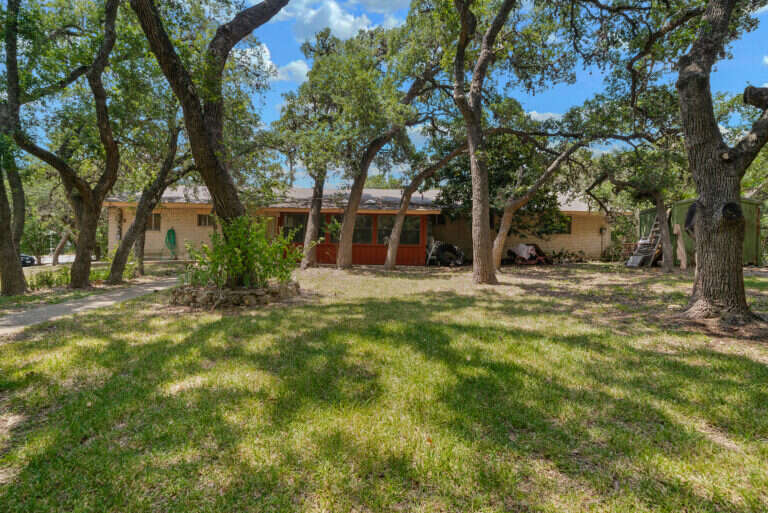
Asking price $650,000 · Closed January 2024
The market reports for this kind of property.
We also work these.
What is changing in Texas land, water and growth, explained for owners, not insiders.

TxDOT taking part of your Texas land? See what the state pays for, which losses it doesn't count, how the process runs, and when…

Selling a Texas shopping center? See how a careful buyer rebuilds your income, which fixes can pay off, and how to handle tenant estoppels…

Buying your first Texas shopping center? See how vacancy, taxes and loan terms can turn a 7.5% return into 5%, and what to check…

A 15-minute call. Tell him what you own or what you want to buy. He will tell you what he sees, good and bad. No cost, no pressure.
Talk to Rexor call 210-823-3721
We Are Ready To Help You In Making Smart Real Estate Decisions
Whether you have questions about commercial real estate, need advice on your next investment, or are ready to take the next step, we’re here to help. At Blue Collar Commercial Group of New Braunfels, we pride ourselves on providing personalized, expert guidance at every step. Fill out the contact form, and we’ll get back to you promptly to discuss how we can work together to achieve your goals. Let’s start the conversation today!
Local commercial real estate news and new listings, once a month.