
SoldMultifamily
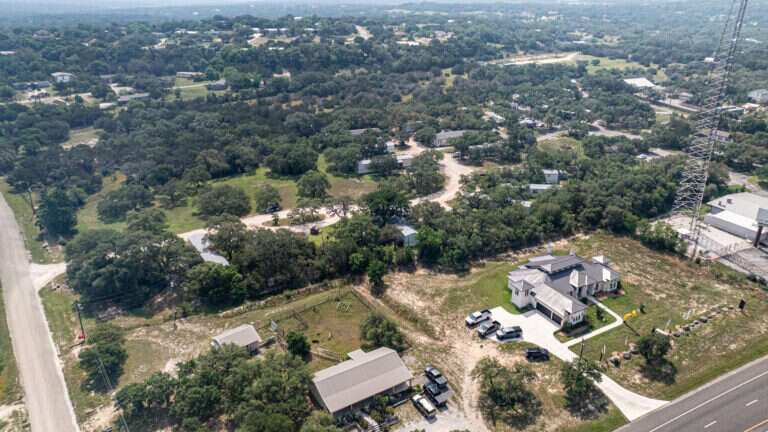
8117 Silverwings, Spring Branch
Asking price $995,000
Multifamily for Landlords in San Antonio & New Braunfels Metro
Talk to Rex about multifamilyDeciding what to do with a multi-family property—whether you are dealing with management fatigue, restructuring a partnership, or weighing a 1031 exchange—requires looking at the actual numbers, not just market theories. We evaluate apartment buildings from San Marcos to Canyon Lake and down into New Braunfels, reading the rent rolls and walking the mechanicals to show you exactly where your asset stands. We will help you compare the math of repositioning your units against the reality of an exit so you can make the right call for your capital. Let’s look at your operating statements together and map out the options.
Owners rethink an apartment building for many reasons — fatigue, capital needs, a partnership change, or a property that’s aging faster than its rents. An asset that once generated steady cash flow can become a heavy burden when utility structures shift or turn costs eat into net performance. Deciding the next move means looking at the property’s actual collections and the capital required to keep it competitive against newer garden-style communities, duplexes, or mid-rise apartment blocks. The choice comes down to whether the building still serves the strategy that originally funded it.
Around here, the water rights and utility availability matter more than the square footage when calculating an asset’s future value. We verify in-place rents against what comparable units actually lease for, showing you the real gap between your current income and the market rate. By walking the roof and the mechanicals before anyone talks price, we ensure you know exactly what a buyer would find or what a repositioning effort would cost.
Navigating the transition of a multi-family property requires more than just checking recent sales data. Owners need a clear view of the four main paths: an updated valuation, a hold vs. exit analysis, a 1031 exchange, or a strategic repositioning of the asset.
We look at the actual operating expenses—turn costs, make-ready times, and utility bills—to determine which path makes financial sense. The risk of holding an aging property is that capital expenses can quickly outpace rent growth, but selling prematurely without a clear redeployment plan can trigger heavy tax consequences. We lay out the raw numbers so you can weigh the costs against the returns.
Evaluating whether to keep a property requires comparing its current cash flow against the potential returns of redeploying that equity elsewhere. We map out the costs of deferred maintenance and upcoming capital needs to see if the building can still perform. Knowing the true net income helps you decide if holding the asset remains the right move for your capital.
Transitioning equity into a new property allows owners to defer capital gains, but the process runs on strict statutory deadlines that begin the moment your sale closes. You must engage a Qualified Intermediary before the transaction is finalized to keep the exchange valid. Understanding the mechanics of the timeline protects your equity from unnecessary tax exposure.
A light renovation can lift in-place rents toward market and reposition the asset, provided the underlying plumbing and power can handle the upgrades. We evaluate the scope of work required to compete with newer properties in the area. Confirming these physical realities ensures your capital plan matches the building's capabilities.
Understanding what your building is actually worth requires reading the rent roll against the leases themselves, not just the summary. We verify the actual collections and operating expenses to determine a realistic market price. A grounded valuation gives you the baseline needed to make any subsequent decisions about the property.
Running an apartment building means managing constant operational pressure, from seasonal turnover to unexpected capital requirements. When the workload starts feeling heavier than the returns, owners have to confront the structural challenges of their asset.
We dig into the details that drain net income, like inefficient utility structures or units that take too long to turn between tenants. Relying on outdated rent rolls can mask the true cost of deferred maintenance, leaving owners exposed when major systems fail. We surface these operational leaks so you can decide whether to fix them or pass them on to a new buyer.
Handling tenant requests, turnover, and maintenance eventually wears on even the most experienced operators. This fatigue often prompts owners to rethink their involvement, especially when the property requires more attention than it used to. Recognizing when the management burden outweighs the financial benefit is the first step in planning a transition.
Older buildings eventually require major system replacements, from roofs to HVAC units, which can severely impact cash flow. Underwriting these expenses is critical, as a sale can trigger a property-tax reassessment and insurance is often repriced at renewal. Factoring in these costs clarifies whether the property's income still covers the loan payment with room to spare.
The time and money spent getting a unit ready for the next tenant directly reduces your net operating income. Extended vacancies and high make-ready expenses indicate operational friction that needs to be addressed. Tightening up this process improves your margins and makes the asset more attractive to potential buyers.
When owners absorb utility costs that outpace rent increases, the property's profitability shrinks. Restructuring leases to pass these expenses to tenants can stabilize the income stream, but it requires careful implementation. Adjusting the utility structure protects your cash flow from unpredictable rate hikes.
Before you commit to selling, holding, or renovating, you need a complete picture of your property’s financial and physical health. The right decision depends on verifying what the building actually collects versus what it costs to run.
We read the leases themselves to find where concessions are hiding and where face-rent integrity is slipping. By inspecting the mechanicals and evaluating the property’s competitive positioning in the local market, we establish what the asset can realistically achieve. We confirm these details so your strategy is built on facts, not assumptions.
Evaluating the actual expenses of running the building reveals the true net income. We look at maintenance, taxes, and insurance to see how they impact your bottom line. Understanding these figures is essential for pricing the asset correctly or planning a repositioning.
The summary sheet rarely tells the whole story about what tenants are actually paying. We review the individual leases to identify concessions, arrears, and upcoming expirations. Verifying the actual collections ensures you know exactly what income the property generates.
Hidden physical defects can derail a sale or unexpectedly drain your capital reserves. We walk the property to identify aging systems and structural issues before they become emergencies. Knowing the condition of the building allows you to address problems on your own terms.
Having too many leases end at the same time concentrates your turnover risk and vacancy exposure. Staggering expirations across different seasons stabilizes your cash flow and makes management more predictable. A balanced renewal schedule protects the asset from sudden drops in occupancy.
Executing a strategy for your apartment building requires a disciplined approach to the numbers and the physical space. Whether you are stabilizing the rent roll to hold the asset or preparing it for a future exit, the steps remain grounded in operational reality.
We start by verifying in-place rents against comparable units, ensuring every decision is backed by hard data rather than assumptions. By walking the property and evaluating the tenant mix, we establish a clear path to improve net performance while managing the day-to-day capital requirements.
We sit down to discuss what you want to achieve with the property, whether that means holding for cash flow, completing a 1031 exchange, or exiting entirely. We review your current operating statements and discuss the physical condition of the building. Establishing clear objectives upfront ensures our strategy aligns with your capital needs.
We analyze comparable properties to determine where your building sits in the current market landscape. This involves evaluating your rent roll against what similar units actually collect and assessing the cost of any necessary renovations. Proper positioning establishes a realistic baseline for either a sale or a lease-up campaign.
If you are holding the asset, we target the specific operational profiles that fit your building's capabilities. We focus on finding reliable occupants who align with your long-term income goals and property rules. Securing the right tenant mix stabilizes your cash flow and reduces future turnover.
We verify the financial stability and rental history of potential occupants before any agreements are drafted. This means checking references, credit strength, and income sources to ensure they can meet their obligations. Thorough screening protects your asset from the costs of early lease terminations and evictions.
We structure the lease terms to protect your net income and clarify maintenance responsibilities. This includes defining utility structures, security deposits, and rules for common areas. Clear documentation prevents misunderstandings and ensures the agreement serves your operational strategy.
Once the leases are signed, we help you plan for the future by staggering expiration dates. We monitor market rents to ensure your renewals keep pace with local demand without driving away good tenants. A proactive renewal approach minimizes vacancy and maintains the long-term value of the building.
We work with property owners across the Hill Country who need straight answers about their asset’s performance. The right representation matches the specific operational reality of the building with the owner’s long-term capital goals.
From syndicators dealing with partnership changes to local families managing inherited duplexes, we focus on the mechanics of the property. We provide the on-the-ground market intelligence needed to make informed decisions about holding, exiting, or repositioning the asset.
Owners looking to transition their equity into a new property under strict statutory deadlines. We help map out the timing and valuation requirements before the sale closes. Coordinating these details protects your capital from unnecessary tax exposure.
Operators buying older, unrenovated buildings to improve and hold or refinance. We evaluate the physical capacity of previous-cycle construction to handle modern upgrades. Confirming the structural limits ensures the repositioning budget matches the expected rent lift.
Owners taking over an apartment building for the first time, whether through purchase or inheritance. We walk you through the realities of managing cash flow, keeping capital in reserve, and choosing third-party management. Understanding these operational demands helps you transition smoothly into active ownership.
Owners managing multiple leases who need to stabilize their rent roll or address management fatigue. We review the operating expenses and lease structures to find areas for immediate improvement. Addressing these inefficiencies restores the property's performance and reduces your daily workload.
Managing a multi-family property raises constant questions about capital deployment, lease structures, and market timing. Owners need direct answers based on actual property performance, not just general market trends.
We look at the rent rolls and the mechanicals to provide clear guidance on repositioning costs and exit strategies. Here are the most common questions we hear from apartment building owners evaluating their next move in the local market.
Multi-family leases generally require the owner to cover the primary building expenses, whereas a commercial triple-net lease shifts taxes, insurance, and maintenance to the tenant. Apartment owners must carefully manage turn costs and utility structures because those expenses directly reduce net operating income. Understanding this difference is crucial when evaluating whether to hold a residential asset or exchange into a commercial property.
The decision comes down to comparing your current net income against the capital required to update aging systems. If the cost of deferred maintenance outpaces your ability to raise rents, it may be time to consider an exit. We read the rent roll and walk the mechanicals to help you compare the math of a renovation against a straight sale.
A 1031 exchange allows you to defer capital gains taxes by rolling the equity from your sale into a new investment property. The process runs on strict statutory deadlines that begin the moment your sale closes, and missing either one ends the exchange. You must engage a Qualified Intermediary before the initial transaction is finalized, and a qualified tax advisor can evaluate how this applies to your situation.
Selecting a property manager requires evaluating their track record with buildings similar to yours in size and vintage. You need to review how they handle turn costs, tenant screening, and emergency maintenance requests. A capable management team protects your cash flow and allows you to retain ownership without the daily operational fatigue.
The value of your property is driven by the actual income the units collect minus the cost to operate the building. Buyers look closely at occupancy stability, utility structures, and the condition of major mechanical systems like roofs and plumbing. Maximizing your rent roll while controlling expenses is the most direct way to improve the asset’s market price.
Each sale shows the asking price, and the closing date when we have it.
Asking price $995,000
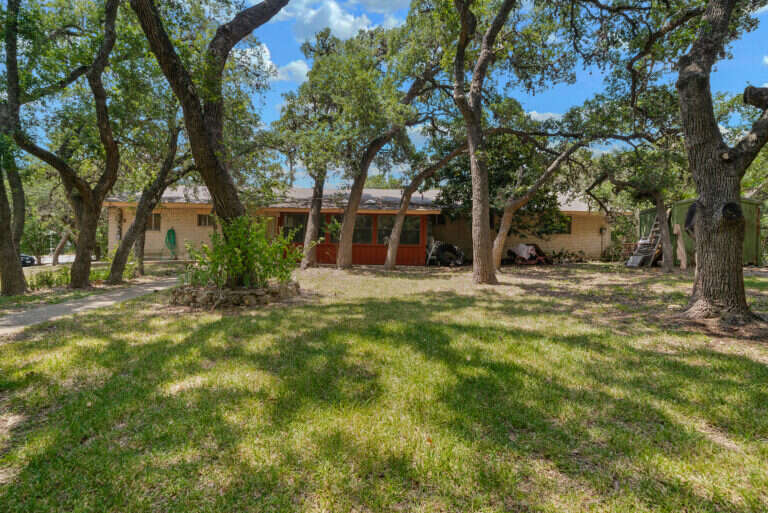
Asking price $650,000 · Closed January 2024
The market reports for this kind of property.
We also work these.
What is changing in Texas land, water and growth, explained for owners, not insiders.

TxDOT taking part of your Texas land? See what the state pays for, which losses it doesn't count, how the process runs, and when…

Selling a Texas shopping center? See how a careful buyer rebuilds your income, which fixes can pay off, and how to handle tenant estoppels…

Buying your first Texas shopping center? See how vacancy, taxes and loan terms can turn a 7.5% return into 5%, and what to check…

A 15-minute call. Tell him what you own or what you want to buy. He will tell you what he sees, good and bad. No cost, no pressure.
Talk to Rexor call 210-823-3721
We Are Ready To Help You In Making Smart Real Estate Decisions
Whether you have questions about commercial real estate, need advice on your next investment, or are ready to take the next step, we’re here to help. At Blue Collar Commercial Group of New Braunfels, we pride ourselves on providing personalized, expert guidance at every step. Fill out the contact form, and we’ll get back to you promptly to discuss how we can work together to achieve your goals. Let’s start the conversation today!
Local commercial real estate news and new listings, once a month.