
SoldMultifamily
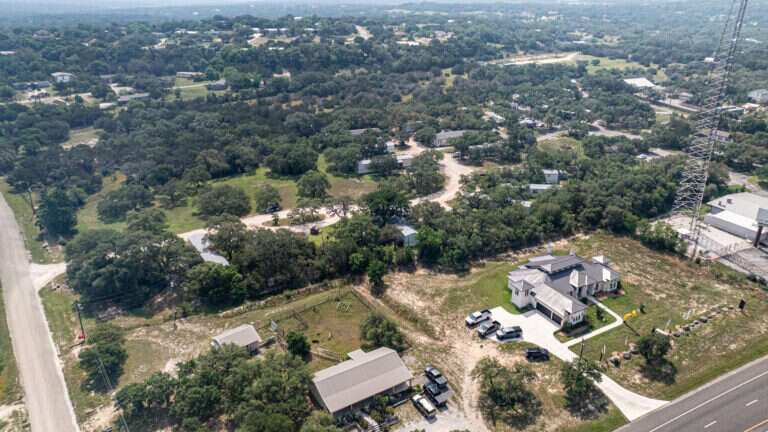
8117 Silverwings, Spring Branch
Asking price $995,000
Multifamily for Buyers in San Antonio & New Braunfels Metro
Talk to Rex about multifamilyTargeting multi-family assets across New Braunfels, San Marcos, and Boerne requires knowing whether current collections reflect true market demand or deferred operations. Our team at Blue Collar Commercial Group evaluates prospective acquisitions by auditing trailing financial records against in-place leases and inspecting utility capacities before you submit an initial purchase price. We help you identify properties where operational upgrades or disciplined management can generate stable cash flow. Tell us your target return profile and equity structure, and we will locate properties that match your balance sheet.
Multi-family buyers prioritize predictable cash flow and measurable value-add potential above all other property metrics. Whether analyzing garden-style communities, suburban duplex clusters, low-rise apartment blocks, or small residential courtyards, acquirers seek dependable rental revenue that comfortably services long-term debt. Success in this sector relies on verifying that actual collections match the reported figures on trailing ledgers. In competitive regional submarkets, uncovering mismanaged units or below-market rental rates provides the clearest path to improving net yields.
Acquiring residential income property across the San Antonio-Austin corridor demands thorough on-the-ground market intelligence regarding physical infrastructure. Since entering commercial brokerage in 2020, Leigh Neves and our team have emphasized that local municipal utility connections, private well capacities, and septic limitations dictate property density just as much as zoning ordinances. Overlooking deferred site maintenance or regional water district constraints can quickly turn an attractive acquisition into a capital-intensive turnaround. We inspect the physical grounds and service lines firsthand so you understand the capital commitments required after closing.
Acquiring multi-family assets provides distinct structural advantages over single-tenant commercial properties. By distributing income generation across dozens or hundreds of individual tenant leases, an investor reduces the revenue shock of an unexpected vacancy. The flexibility to adjust residential lease rates on annual cycles allows properties to keep pace with operational expenses far more rapidly than long-term commercial net leases permit. In expanding employment centers, multi-unit residential property consistently captures sustained housing demand from incoming workers.
While residential rental properties provide reliable operational income, acquirers must underwrite ongoing management demands and capital expenditure reserves realistically. High tenant turnover requires prompt unit turns, continuous leasing efforts, and diligent maintenance oversight to prevent vacancy losses. Market dynamics can also compress margins when operational expenses shift faster than local rental rates can adjust. A disciplined buyer accounts for these friction costs during initial underwriting to protect baseline cash flow.
Relying on multiple individual tenant leases limits your financial vulnerability to any single vacancy. When an individual occupant moves out, the remaining resident base continues to cover operating expenses and primary debt obligations. This distributed cash flow structure provides stability that single-tenant commercial properties cannot offer. For a multi-family buyer, that built-in diversification protects debt service during operational transitions.
Targeting properties with deferred interior finishes or neglected common areas creates a clear path to increasing net operating income. Upgrading cabinetry, lighting fixtures, and private yard enclosures allows an operator to raise in-place rents toward prevailing submarket comps. These planned capital improvements lift the overall valuation of the asset without relying solely on broader market appreciation. This operational control gives buyers a reliable lever for generating equity.
Short-term residential lease agreements allow an owner to adjust rental rates on an annual cycle to match prevailing local conditions. Commercial properties tied to long-term flat leases cannot adapt as operating costs change over time. Frequent renewal intervals let proactive managers align tenant pricing with ongoing shifts in area wages and demand. This flexibility helps preserve your operating spread across diverse economic cycles.
Residential rental communities benefit from established commercial lending programs backed by federal agencies and regional balance-sheet lenders. These loan vehicles frequently offer non-recourse debt terms and structured amortization schedules tailored to stable residential cash flows. Established liquidity in the lending space supports both immediate acquisitions and future refinancing milestones. Access to flexible debt markets keeps your long-term cost of capital competitive.
Commercial real estate owners can offset current operating income through non-cash depreciation deductions allowed under current tax provisions. Accelerated cost segregation studies can separate short-life personal property assets like appliances and exterior improvements from building structures. These non-cash write-offs protect immediate operating distributions while the underlying property builds equity. Reviewing these structures with your CPA confirms how specific deductions apply to your balance sheet.
Grouping multiple residential units under a single roof or inside a unified property perimeter lowers per-unit management and maintenance costs. Dedicated on-site maintenance personnel and centralized property management vendors reduce contracting expenses compared to scattered single-family portfolios. Shared roofs, common parking fields, and centralized mechanical banks generate clear operational efficiencies. Lower per-unit overhead leaves a larger share of collected revenue in your account.
Evaluating multi-family properties requires identifying hidden operational and physical hazards before commitments become binding. Sellers frequently present idealized pro forma statements that omit recurring repair costs, payroll overhead, and actual bad-debt collections. If a buyer underwrites an acquisition using broker marketing summaries rather than trailing bank deposits and utility ledgers, projected yields will vanish shortly after taking title.
Our advisory practice helps buyers penetrate promotional packaging to reveal true baseline operating performance. Leigh Neves and our team review rent rolls against binding lease documents, inspect mechanical infrastructure, and audit historical maintenance tickets across Comal County and surrounding markets. We ensure you enter acquisitions with realistic capital expenditure projections and firm operational plans.
Offering memorandums frequently present normalized operating statements that understate concessions, employee units, and uncollected rent. Reconciling trailing collections against actual monthly bank statements reveals whether stated revenues are genuinely flowing into the business. Uncovering unrecorded bad debt prevents you from paying for phantom net operating income. Thorough document auditing protects your projected acquisition return from day one.
A change in property ownership routinely triggers a substantial increase in local tax assessments based on the new acquisition price. County appraisal districts revise property valuations following recorded transactions, which can increase annual tax obligations considerably. Failing to underwrite future reassessments leaves an unexpected hole in your post-closing cash flow. Modeling projected assessment adjustments ensures your debt coverage remains healthy under revised tax burdens.
Aging roofing systems, damaged asphalt parking lots, and failing drainage networks can absorb a major portion of your initial cash flow. Previous owners often postpone essential exterior maintenance to make historical operating statements appear artificially lean. Conducting thorough physical assessments surfaces imminent replacement costs before closing negotiations conclude. Identifying these repairs upfront allows you to structure repair credits or adjust your purchase offer.
Properties operating on master meters force the landlord to absorb fluctuations in municipal electricity, gas, and water rates. If utility charges cannot be passed through to residents via submeters or allocation systems, utility inflation directly reduces net yields. We inspect utility service designs to determine whether individual metering is physically feasible. Resolving billing mechanics during diligence keeps utility costs from draining your monthly revenue.
Insurance carriers regularly reprice commercial residential policies upon ownership changes, particularly for assets with older plumbing or electrical systems. Outdated wiring or older roof decks can restrict the pool of willing carriers and sharply elevate annual premiums. Modeling realistic replacement-cost insurance during contract diligence avoids post-closing margin erosion. Confirming insurable terms early protects the net yield supporting your commercial mortgage.
Switching management companies upon closing often leads to temporary collection dips and leasing disruptions as policies change. A poor operational transition can cause resident dissatisfaction, increased turnover, and costly delays in filling open units. Structuring an organized transition plan ensures tenant communications and accounting systems transfer smoothly. Retaining steady collections through closing safeguards your operating reserves during the early months of ownership.
A disciplined acquisition strategy requires reviewing both financial paper trails and physical property improvements. Buyers must avoid relying on high-level summaries and instead verify the individual components that create sustainable property operations. Overlooking municipal compliance records, service contracts, or mechanical conditions can quickly lead to unexpected financial liabilities.
We direct multi-family buyers toward the critical items that determine long-term asset performance in the Texas Hill Country. From testing wastewater capacities to evaluating HVAC service records and lease compliance, our team examines every operational factor. Knowing these physical and operational realities allows you to negotiate with conviction and acquire with confidence.
Comparing active lease files against monthly accounting summaries confirms that security deposits, utility charges, and stated rents match actual contracts. This review uncovers undisclosed concessions, undocumented pet allowances, and month-to-month tenancies that threaten revenue stability. Confirming that residents are legally bound to stated terms ensures you buy legitimate cash flow. A complete lease audit prevents surprises when the first month's collections arrive.
Inspecting heating, ventilation, air conditioning units, and individual electrical panels establishes whether major systems require near-term replacement. Outdated electrical breakers or older HVAC compressors can lead to recurring emergency service calls and resident dissatisfaction. Documenting unit-by-unit mechanical ages allows you to build an accurate capital replacement schedule. Knowing equipment condition keeps emergency repairs from draining your reserve accounts.
Aging sewer lines, failing water mains, and outdated pipe materials can create continuous maintenance headaches beneath apartment foundations. Running camera lines through main sewer lateral connections helps confirm the structural integrity of underground piping before purchase. Sourcing reliable data on water supply pressures is essential for multi-unit properties. Resolving sanitary plumbing integrity prevents expensive subgrade structural repairs down the road.
Evaluating roof surfaces, flashing details, and ground-level stormwater grading reveals whether moisture intrusion threatens exterior framing and interior drywall. Improper site drainage can direct rainwater toward foundations, causing settling issues across multi-story buildings. Walking roofs and auditing gutter discharge paths ensures that water moves away from physical structures. Protecting building envelopes preserves property value and prevents mold remediation expenditures.
Auditing past tenant payment histories reveals whether the resident profile complies with basic tenant screening standards. High historical bad-debt write-offs suggest that previous management maintained occupancy by lowering credit and income requirements. Understanding local tenant turnover trends helps you project true recurring turnover costs. Thorough tenant history reviews confirm you are taking over a cooperative and paying resident community.
Confirming whether electricity, gas, and water utilities are submetered or master-metered indicates how directly utility costs impact your operating ledger. In master-metered properties, setting up a compliant utility recovery system requires careful operational planning and local regulatory compliance. Knowing the exact metering setup helps you forecast net income accurately. Clear utility divisions protect your balance sheet from unpredictable utility rate changes.
Reviewing existing contracts for trash removal, landscaping, pest control, and laundry machine leases uncovers ongoing financial commitments. Some vendor agreements carry automatic renewal provisions or steep cancellation penalties that complicate management transitions. Determining which contracts can be terminated at closing allows you to bid services to preferred local providers. Managing vendor agreements effectively lowers ongoing operating costs from day one.
Purchasing multi-unit residential property involves navigating complex underwriting, financing verifications, and operational assessments. Without a structured advisory method, acquirers risk overlooking critical physical conditions or miscalculating long-term financial obligations. A clear advisory process keeps your transaction on track from initial target identification through final closing.
Blue Collar Commercial Group uses a disciplined advisory process grounded in practical property evaluation and local market intelligence. We walk the physical grounds, audit tenant files, and verify submarket metrics to protect your investment capital across Comal, Hays, and Guadalupe counties. Here is how our team guides you through each phase of acquiring apartment and multi-family assets.
We begin by reviewing your capital allocation criteria, target cash-on-cash returns, debt preferences, and long-term hold expectations. Our team clarifies whether your balance sheet favors turn-key cash flow or assets requiring active value-add repositioning. We align our property search directly with your operational capability and return thresholds. Establishing clear targets upfront keeps your capital focused on viable opportunities.
Our team examines local employment drivers, school district boundaries, commuter corridors, and municipal utility access across candidate submarkets. We compare local supply deliveries with neighborhood demand indicators to identify areas with durable rental demand. This stage refines your physical parameters, including unit mix, property class, and preferred construction type. Targeted criteria definition prevents wasted time touring misaligned properties.
We build property-level financial models that underwrite realistic income projections, post-closing tax reassessments, and insurance adjustments. Our models incorporate appropriate debt structures, required reserve accounts, and projected capital improvement budgets. We evaluate whether prospective assets leave adequate room to cover loan payments during operational shifts. Prudent capital modeling protects your balance sheet against financial stress after closing.
We identify candidate properties through our regional broker relationships, off-market owner networks, and active multi-family listings. During physical site visits, we look past cosmetic staging to inspect mechanical units, roof decks, exterior grading, and common spaces. Touring physical plants firsthand reveals true maintenance conditions that never appear on sales flyers. Concrete site observations give you an accurate picture of required near-term investments.
We prepare purchase agreements that balance competitive offer terms with appropriate diligence protections and realistic escrow timelines. Our team negotiates purchase prices, earnest money stages, financing contingencies, and title review periods that protect your balance sheet. We advocate for access rights that let your specialized inspectors evaluate every unit. Firm contract negotiation secures favorable terms while preserving your ability to conduct thorough inspections.
We coordinate unit-by-unit walk-throughs, review active tenant files against rent rolls, and evaluate third-party property condition reports. Our team reconciles final closing statements, verifies tenant security deposit transfers, and confirms operational prorations. We assist with management onboarding so your operational team takes control seamlessly upon recording. Thorough diligence execution ensures you receive the exact asset and cash flow you paid for.
Acquiring multi-family real estate suits a range of distinct capital structures and operational strategies. The right property profile depends entirely on your management infrastructure, capital resources, and target investment timeline. Matching your operational strengths to the appropriate property type is the foundation of durable returns.
Our advisory practice works with diverse acquirers across New Braunfels and the Texas Hill Country, offering tailored market insight for each strategy. Whether you are executing a tax-deferred exchange, deploying private capital into value-add deals, or transitioning from single residential rentals, we provide the ground-level data required for sound decisions.
This profile includes active real estate operators who acquire older, unrenovated multi-family complexes to renovate and reposition. These buyers focus on upgrading interior unit finishes, revitalizing community amenities, and reducing operating inefficiencies to raise in-place income. They require clear data on competing rental rates and accurate estimates for capital improvements. Our team identifies properties with solid structural bones and substantial operational upside.
Investors completing a tax-deferred exchange face rigid statutory deadlines following the sale of their relinquished property. These buyers need prompt access to viable replacement properties with stable occupancy and defensible rent rolls to protect their exchange eligibility. Identifying suitable replacement targets early prevents rushed decisions under time pressure. We help exchange buyers pinpoint reliable multi-family assets that satisfy exchange requirements.
Private investors moving from scattered single-family rentals into their first commercial apartment community require guidance on commercial debt structures and third-party management. These buyers prioritize assets with established operational histories, straightforward utility setups, and predictable tenant bases. They need clear underwriting that leaves adequate cash reserves after closing. We walk first-time commercial buyers through each operational step of multi-unit ownership.
Private capital groups and family partnerships seek generational wealth preservation through stable, core-plus residential properties along major growth corridors. These investors focus on long-term tenant demand, quality construction, and steady quarterly cash distributions. They require conservative underwriting that emphasizes capital preservation over aggressive financial leverage. We locate resilient assets that protect capital while delivering dependable cash flow.
Local property managers and contractors who oversee daily property maintenance in-house can extract higher margins from operationally troubled assets. By handling routine repairs, unit turns, and groundskeeping with internal staff, they eliminate substantial third-party management overhead. These buyers seek smaller complexes where active local presence translates directly into lower expenses. We source properties where local hands-on oversight unlocks trapped cash flow.
Patient investors prioritize steady principal reduction via tenant-supported debt amortization across durable economic cycles. These buyers select well-located properties in supply-constrained areas, accepting moderate initial yields in exchange for long-term equity growth. They focus on strong school districts, reliable neighborhood amenities, and enduring residential demand. We identify well-positioned communities that support steady equity accumulation over extended holding periods.
Purchasing multi-family real estate involves detailed questions regarding financing parameters, inspection timelines, operating expenses, and due diligence methods. Reviewing these practical issues early ensures you enter negotiations prepared to manage both transaction hurdles and long-term ownership responsibilities.
Below are direct answers to common questions our team addresses when advising prospective multi-family buyers across Comal County and the broader San Antonio-Austin corridor. If you have specific questions about a prospective property, we invite you to review the numbers with our advisory team.
Multi-family properties distribute credit risk across dozens of individual residential tenants whose housing needs persist regardless of commercial retail patterns, whereas retail centers depend heavily on business profitability and corporate tenant credit. A retail property often features long-term net leases where tenants pay property taxes and insurance directly, but losing a primary retail anchor can leave an asset vacant for extensive leasing cycles. Multi-family assets experience regular turnover, but individual vacancies rarely impair debt service. Deciding between them depends on whether your balance sheet prefers managing residential lease churn or handling commercial credit risk.
Commercial lenders underwrite apartment acquisitions primarily on the property’s historical net operating income rather than an investor’s personal income alone. Underwriters review trailing operating statements, historical vacancy rates, and market comps to confirm that collections cover proposed loan payments with a comfortable financial margin. Lenders also evaluate the sponsor’s liquidity, net worth, and property management track record before approving term sheets. Preparing verified historical financial records speeds up the loan approval process considerably.
A buyer should retain sufficient liquid cash reserves to cover multiple months of operating expenses and debt service payments, along with a dedicated fund for immediate capital repairs. New owners frequently encounter unexpected repair needs or initial turnover costs during the first months of operational transition. Relying entirely on incoming tenant rent to cover unforeseen maintenance strains operations if vacancy increases temporarily. Maintaining conservative post-closing liquidity protects your investment while you establish operational control.
In Texas, a recorded property sale provides local county appraisal districts with market evidence that frequently triggers an upward reassessment of the property’s taxable value. If the historical assessed value sits well below your negotiated purchase price, your annual tax bill can rise substantially in the tax cycle following closing. Failing to model this tax increase during diligence leads to unexpected drops in net cash flow. We assist buyers in estimating post-closing tax adjustments based on prevailing local millage rates.
Standard purchase contracts for multi-family properties generally provide a multi-week feasibility period to conduct physical inspections, lease audits, and environmental reviews. This window allows specialized contractors to inspect every residential unit, evaluate roof systems, and scope underground sewer lines. It also provides the time needed to cross-reference tenant lease files with actual bank deposits. Structuring an adequate diligence window ensures all physical and financial evaluations conclude before earnest money becomes non-refundable.
Yes, an investor can allocate proceeds from selling any qualifying business or investment real estate into multi-family property under Section 1031 provisions. Federal tax guidelines require that a Qualified Intermediary be formally retained before closing the sale of your relinquished property to hold exchange funds safely. The exchange process enforces strict statutory deadlines that begin immediately upon closing the relinquished sale, and missing either deadline terminates exchange eligibility. A qualified tax advisor can evaluate how this applies to your situation.
Choosing between self-management and third-party oversight depends on your local availability, construction knowledge, and operational scale. Self-management saves management fee overhead but requires you to handle midnight emergency repairs, tenant disputes, leasing showings, and formal eviction filings directly. Professional third-party management firms charge a percentage of collected rent but bring standardized tenant screening, established vendor networks, and professional accounting software. For non-local owners or larger complexes, professional management usually protects asset performance more effectively.
Auditing past utility bills reveals whether water, sewer, trash, and electric expenses are being recovered from tenants or absorbed as landlord operating losses. In properties where utility costs are master-metered, unmonitored plumbing leaks or excessive tenant consumption directly erode net operating income. Confirming the presence and legality of submetering or utility allocation programs verifies whether those costs can be passed through to residents. Ensuring utility billing transparency prevents unforeseen operational expenses from damaging your bottom line.
Each sale shows the asking price, and the closing date when we have it.
Asking price $995,000

Asking price $650,000 · Closed January 2024
The market reports for this kind of property.
We also work these.
What is changing in Texas land, water and growth, explained for owners, not insiders.

TxDOT taking part of your Texas land? See what the state pays for, which losses it doesn't count, how the process runs, and when…

Selling a Texas shopping center? See how a careful buyer rebuilds your income, which fixes can pay off, and how to handle tenant estoppels…

Buying your first Texas shopping center? See how vacancy, taxes and loan terms can turn a 7.5% return into 5%, and what to check…

A 15-minute call. Tell him what you own or what you want to buy. He will tell you what he sees, good and bad. No cost, no pressure.
Talk to Rexor call 210-823-3721
We Are Ready To Help You In Making Smart Real Estate Decisions
Whether you have questions about commercial real estate, need advice on your next investment, or are ready to take the next step, we’re here to help. At Blue Collar Commercial Group of New Braunfels, we pride ourselves on providing personalized, expert guidance at every step. Fill out the contact form, and we’ll get back to you promptly to discuss how we can work together to achieve your goals. Let’s start the conversation today!
Local commercial real estate news and new listings, once a month.