
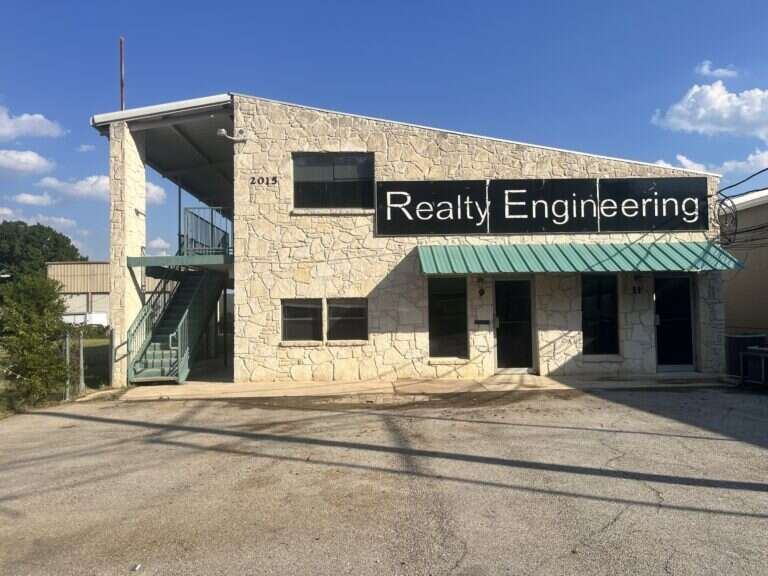
SoldMixed-Use
2015 Farm to Market Road 2673, Canyon Lake
Asking price $945,250 · Closed January 2025
Mixed-Use for Landlords in San Antonio & New Braunfels Metro
Talk to Rex about mixed-useWhether you need to fill ground-floor retail suites, second-story professional offices, or commercial live-work units in New Braunfels, Boerne, or Bulverde, keeping a multi-tenant building performing requires finding businesses that support the rest of the property. We walk your vacant suites, inspect shared utility meters, and review parking allocations before any marketing sign goes in the ground. Our team reviews prospective operating schedules and service delivery requirements so retail and office tenants operate smoothly alongside each other. Tell us about your available commercial space, and we will build a tenant-sourcing strategy that protects your asset and stabilizes your revenue.
Mixed-use property owners generally discover that filling vacant commercial space requires balancing co-tenant compatibility and shared operational demands, because a mismatched tenant creates friction across every other use on the property. Bringing in a high-traffic restaurant beneath quiet residential units or placing a customer-heavy retail user next to private executive offices demands careful tenant screening from the outset. Across configurations like retail-over-residential, office-over-retail, live-work developments, and horizontal mixed-use commercial parks, leasing success depends on recruiting operators whose customer traffic, operating hours, and utility demands reinforce adjacent suites instead of draining shared resources.
Blue Collar Commercial Group brings a disciplined, field-tested approach to leasing commercial space across the Highway 46 and I-35 corridors. We evaluate the physical reality of the building before negotiating lease terms, reviewing everything from grease trap capacity and acoustic separation to parking turn rates and HVAC zones. When an owner relies only on standard commercial lease templates, they often end up absorbing hidden utility costs or resolving landlord-tenant disputes over parking stalls. We structure lease terms, common area cost allocations, and property rules that reflect how your property functions day to day.
Managing a commercial leasing assignment across multiple property uses requires deeper operational coordination than filling a single-purpose warehouse or standalone office building. A dedicated lease-side advisory team protects property owners from signing incompatible leases that restrict future tenancies, trigger municipal parking violations, or overtax shared plumbing and electrical services. Professional representation ensures that every prospective commercial lease coordinates with existing agreements regarding signage rights, quiet hours, loading zones, and operating cost responsibilities.
Securing high-caliber commercial tenants strengthens long-term asset value and lender confidence, though owners must balance leasing pace against the financial risk of aggressive tenant improvement allowances. Committing substantial capital to specialized interior build-outs can strain property reserves if a tenant struggles to establish their customer base. Our advisory team helps landlords assess prospect financial strength and structure prudent capital contribution thresholds before executing binding agreements.
Selecting complementary retail and professional tenants turns customer traffic from one storefront into foot traffic for neighboring businesses. We evaluate prospective tenant categories to confirm their customer base, foot traffic rhythm, and daily operations support adjacent occupants rather than cannibalizing parking. A balanced tenant ecosystem increases customer dwell time and fosters a stable business environment across the entire property. This intentional curation directly reduces tenant turnover and preserves steady occupancy.
Commercial users place very different strains on common areas, trash dumpsters, landscaping, and exterior lighting depending on their business model. We help landlords draft clear common area maintenance frameworks so high-intensity users cover their proportionate share of shared maintenance instead of shifting the burden to low-impact office tenants. Clear allocation formulas prevent contentious year-end reconciliations and maintain transparent relationships between ownership and commercial tenants. Fair expense distribution protects your net operating income across changing municipal utility rates.
Mixed-use buildings frequently face parking conflicts when retail patrons, office employees, and residential visitors compete for the same surface stalls. We design leasing stipulations that establish designated employee parking areas, commercial delivery windows, and customer turnover spaces before signing agreements. Establishing defined access rules in the lease keeps customer parking open during peak sales hours and avoids conflicts between commercial and residential users. Proactive parking management prevents operational bottlenecks that could otherwise harm tenant sales.
Allowing several major commercial leases to terminate simultaneously can expose an ownership group to substantial income disruption and refinancing challenges. We structure lease terms across your commercial suites with intentionally staggered expiration dates and staggered renewal options. This phased leasing strategy ensures that your revenue remains stable even when an individual business relocates or downsizes. Spreading expiration exposure over multiple calendar cycles protects ownership from sudden property-wide vacancies.
Commercial tenants in shared buildings must possess the operational staying power to navigate seasonal retail shifts and broader economic shifts. We review historical balance sheets, profit-and-loss statements, business credit files, and corporate or personal guaranty documents before presenting an offer to ownership. Verifying real financial liquidity upfront keeps landlords from tying up vacant square footage with undercapitalized operators. Strict credit verification ensures your rent roll can comfortably satisfy regional bank lending standards.
Owning and leasing a multi-use commercial asset presents distinct management hurdles that standalone retail strip centers or suburban office parks never encounter. Conflicting business operational models under one roof can quickly produce friction over shared dumpster access, noise transmission through demising walls, food-service odor migration, and after-hours exterior lighting. Landlords must navigate these cross-use issues during initial lease negotiations rather than attempting to resolve disputes after a tenant opens their doors for business.
We solve these challenges by introducing clear operational criteria, acoustic performance specifications, and detailed building rules into the commercial lease packet. Leigh Neves has worked with commercial property owners across the Texas Hill Country since 2020, bringing straightforward advice and real transactional data to complex landlord assignments. By identifying structural and operational pinch points during the tenant evaluation phase, we keep commercial suites occupied without compromising the quiet enjoyment of adjacent spaces.
Evening hospitality businesses, weekend retailers, and weekday corporate offices maintain fundamentally opposing schedules and noise profiles. Without enforceable operating-hour agreements, early-morning deliveries or late-night entertainment can disrupt upper-floor office workers or residential occupants. We establish clear delivery windows, music volume thresholds, and mechanical noise limits in every tenant lease. Defining these operational boundaries upfront keeps diverse businesses operating peacefully within the same structure.
Food service concepts and fitness studios consume dramatically higher water and electricity volumes than standard professional service suites. When a property lacks independent submetering, allocating shared utility charges creates constant tension between ownership and tenants. We review existing plumbing and electrical configurations to verify submetering capabilities before leasing to high-demand utility users. Proper utility separation protects ownership from absorbing unbilled commercial utility overhead.
Leasing a commercial suite within a property governed by a condominium board requires strict adherence to restrictive covenants and master bylaws. Association rules frequently restrict exterior signage designs, window displays, tenant customer access hours, and specific permitted commercial uses. We review condominium declarations and master association governance documents prior to marketing available square footage. Verifying association approval parameters avoids delayed lease signings and costly compliance penalties.
Restaurant tenants require specialized grease traps, heavy-duty HVAC rooftop equipment, and dedicated grease exhaust ducts that penetrate upper building floors. Retrofitting these mechanical systems into existing multi-story buildings can create acoustic vibration issues and costly structural alterations. We inspect utility shafts, structural support columns, and rooftop equipment clearances before accepting letters of intent from food and beverage operators. Thorough mechanical diligence prevents lingering odors and structural vibrations from bothering neighboring occupants.
Every commercial tenant demands prominent exterior signage to draw passing motorists and foot traffic, but building facades have finite display space. Unregulated tenant signage creates visual clutter that degrades overall property aesthetics and confuses visiting customers. We establish comprehensive building signage criteria that allocate exterior wall space, monument pylon panels, and window graphics fairly across all suites. Balanced signage standards preserve property curb appeal while delivering appropriate visibility for every paying tenant.
Evaluating commercial lease applicants for a multi-use building requires examining operational traits far beyond a standard corporate credit score. An applicant whose business concept looks exceptional on paper may bring customer parking requirements, heavy delivery trucks, or evening music levels that clash with existing office professionals and upper-story residents. Landlords must evaluate how a prospect will function within the micro-community of the property once their build-out is complete and daily commerce begins.
We walk available suites with prospective tenants and cross-examine their operational footprints against the physical capabilities of your building. Our team reviews customer arrival rhythms, peak trash generation, mechanical load expectations, and employee parking habits before recommending lease approval. Taking the time to vet prospective operators thoroughly safeguards your asset against costly lease defaults and protects the long-term rental income of your entire property.
Examine the specific days and times when a prospective business experiences its heaviest customer traffic. Ideal mixed-use tenants generate foot traffic during hours when existing tenants have lower demand, such as morning coffee shops balancing afternoon retail boutiques. Analyzing customer arrival patterns ensures your available surface parking can accommodate customer vehicles throughout the entire week. Balancing traffic surges keeps the property bustling without overwhelming shared parking lots.
Scrutinize prospective business owners to confirm they hold sufficient liquid operating capital to weather initial opening slowdowns and ongoing inventory cycles. Relying solely on projected revenue figures creates severe default risk if retail foot traffic takes time to build. We verify in-bank cash reserves, line-of-credit availability, and historical financial performance before advancing lease drafts. Strong tenant capital reserves protect ownership against unexpected rent payment disruptions.
Confirm that the vacant suite contains adequate electrical amperage, plumbing stub-outs, and ceiling clearances for the applicant's intended commercial use. Introducing heavy commercial refrigeration or medical imaging tools into a standard retail suite often demands substantial electrical service panel upgrades. Reviewing utility capacities early prevents unexpected tenant requests for emergency landlord capital contributions. Matching tenant equipment needs to existing building infrastructure keeps deal budgets on track.
Assess the noise generation and acoustic vibration characteristics associated with the prospective business's daily operations. Fitness studios dropping heavy barbells or retail boutiques playing amplified music can easily transmit disruptive vibrations through concrete floors into neighboring suites. We evaluate demising wall acoustic ratings and inspect ceiling assemblies before approving active recreational or hospitality uses. Setting baseline acoustic rules preserves productive working environments for adjacent office tenants.
Determine the size of commercial delivery vehicles the business relies upon and how frequently shipments will arrive at the site. Large tractor-trailers maneuvering through compact commercial parking bays can block customer drive aisles, damage curbing, and create pedestrian hazards. We establish dedicated delivery zones and set off-peak delivery requirements directly inside lease contracts. Coordinating delivery logistics protects physical property improvements and maintains smooth vehicle circulation.
Review the legal enforceability and asset depth backing the proposed commercial lease document. For regional operators or new entities, securing an unconditional corporate guaranty or personal guaranty from principals provides essential performance security. We verify guarantor assets, credit reports, and business entity status through county records and corporate filings. Establishing sound credit backing protects the landlord's capital exposure on customized tenant improvement packages.
Successfully leasing commercial space in a multi-tenant property requires a systematic process that aligns building capabilities with target tenant business profiles. We do not rely on passive yard signs or generic internet blasts that attract unqualified prospects with mismatched space requirements. Our advisory method centers on deep property review, disciplined local market positioning, and direct outreach to operators seeking commercial space along the growing Texas Hill Country thoroughfares.
We guide property owners through each phase of the leasing cycle, providing straight recommendations grounded in real comparable lease data and local market observations. From establishing market-supported rental rates to negotiating work letters and securing lease signatures, we represent ownership’s financial interests at every stage. Our structured execution minimizes vacancy downtime while building a stable, mutually supportive commercial rent roll.
We walk your property to inspect vacant suites, evaluate existing tenant uses, review common areas, and understand your investment timeline. Our team discusses your cash flow goals, debt service obligations, and target lease structures to establish clear leasing guidelines. We identify whether your priority is maximizing net rental rates, minimizing tenant improvement outlays, or establishing long-term tenant stability. This initial alignment ensures every marketing action supports your overarching ownership strategy.
We pull recent commercial lease comps from Guadalupe County, Comal County, and surrounding Hill Country submarkets to determine realistic market rent ranges for your suites. Our team assesses local commercial vacancy, competing retail and office developments, and daily traffic patterns along connecting roadways. We develop a pricing framework that accounts for suite visibility, ground-floor accessibility, and shared building amenities. Grounded pricing attracts serious commercial prospects while preventing unearned vacancy losses.
We assemble comprehensive leasing flyers that detail suite dimensions, utility capacities, access points, and parking allocations for commercial brokers and business owners. Our direct outreach targets regional retailers, medical operators, and professional service firms actively seeking expansion space across our market area. We coordinate on-site property walkthroughs that highlight how the building's co-tenancy and location benefit their business operations. Targeted sourcing generates qualified tenant inquiries that match the property's operational parameters.
We vet prospective tenants before presenting proposals to ownership, examining business credit profiles, operational track records, and verified liquid assets. Our review examines their customer volume, operating hours, delivery practices, and utility requirements against existing building tenancy. We conduct direct discussions with business principals to confirm their operational model fits peacefully within the property. Thorough qualification eliminates tire-kickers and prevents operational friction before negotiations advance.
We negotiate detailed letters of intent and commercial lease agreements that defend ownership's net operating income and asset condition. Our team structures explicit lease terms regarding common area cost contributions, tenant improvement delivery conditions, and permitted commercial uses. We ensure that personal or corporate guaranty terms properly secure landlord upfront capital investments. Disciplined lease negotiation protects your cash flow and clarifies tenant maintenance responsibilities.
We coordinate final lease execution, security deposit collection, and certificates of insurance verification prior to handing over suite keys. Our team monitors tenant build-out progress to confirm contractors comply with building rules and municipal permitting requirements. As lease expirations approach down the road, we initiate structured renewal discussions early to maintain high property occupancy and steady cash distributions. Ongoing advisory support protects your long-term asset value across future market cycles.
Our commercial landlord representation practice is built for property owners who value straightforward, practical advice over corporate marketing jargon. Whether you own a historic downtown building with street-level retail and second-story professional suites or a suburban horizontal development with commercial pads and residential townhomes, managing multi-use tenancies requires specialized oversight. We work directly with owners across the San Antonio-Austin corridor who want their commercial real estate managed with diligence and precision.
We provide hands-on leasing guidance that reflects local market conditions, zoning parameters, and infrastructure constraints in Comal, Hays, and Guadalupe counties. By pairing local market observations with rigorous financial screening, we help owners build durable tenant bases that perform across economic shifts. Our advisory services are structured to support diverse ownership profiles facing complex leasing decisions.
Investors who recently acquired their first multi-tenant commercial building and need guidance establishing market rental rates and enforceable lease documents. We help these owners navigate common area expense pass-throughs, tenant credit evaluations, and commercial lease negotiations without costly mistakes. Our team provides clear explanations across the entire leasing workflow so new commercial landlords make confident decisions. This guidance establishes sound management habits from day one of ownership.
Long-term property owners holding established multi-tenant retail and office properties who want to stabilize property cash flow while minimizing daily management friction. We handle tenant sourcing, credit underwriting, and lease negotiations so ownership can step back from tenant-screening headaches. Our advisory approach focuses on securing dependable, long-term commercial operators who honor lease terms and maintain their premises. Disciplined representation protects multi-generational property value.
Builders and regional developers completing mixed-use construction projects along the Highway 46 and I-35 corridors who need pre-leasing support to fulfill construction loan milestones. We work alongside development teams early to formulate realistic suite layouts, market-aligned rental pricing, and attractive tenant work letter programs. Our team actively markets suites during active construction to secure quality tenant commitments prior to final municipal certificate of occupancy issuance. Early pre-leasing accelerates stabilization and satisfies regional bank financing covenants.
Owners of individual commercial suites located inside mixed-use condominium buildings who must lease their space under strict master association rules. We identify qualified retail or professional service tenants whose business activities comply with established community covenants and architectural restrictions. Our team negotiates commercial leases that explicitly bind tenants to all condominium association bylaws and maintenance rules. Tailored representation avoids costly association violations and secures dependable rental income.
Property owners modernizing older commercial properties through capital renovations who need to replace underperforming tenants with creditworthy operators paying market rents. We structure phased leasing schedules that coordinate with ongoing physical improvements and suite turnover timelines. Our team recruits modern retail and professional tenants that elevate the overall image and commercial appeal of the renovated asset. Strategic re-tenanting captures market-rate rental revenue and substantially lifts overall property valuation.
Leasing commercial suites within a mixed-use development introduces legal, operational, and financial questions that rarely surface in single-use commercial properties. Owners must carefully weigh lease structures, utility billing mechanisms, tenant improvement commitments, and parking controls before signing agreements with prospective operators. Below, our advisory team answers the most frequent questions commercial landlords ask when preparing to lease out space across the Texas Hill Country.
We believe in giving straight answers backed by real transactional data and physical property inspections. If you have specific questions regarding your building’s zoning entitlements, utility submetering feasibility, or current commercial rental rates in Comal County, contact our team to walk your property and review the records together.
Single-tenant commercial properties often utilize straightforward triple net NNN leases where the occupant directly manages and pays for property taxes, building insurance, and site maintenance. In a mixed-use building, landlords typically implement modified gross or multi-tenant net leases with detailed common area allocation formulas. Because retail shops, executive offices, and residential spaces utilize shared driveways, elevators, and parking areas at vastly different rates, the lease must define exactly how common maintenance expenses are calculated and billed to each specific suite. A qualified commercial broker can structure proportional pass-throughs so you recover operational overhead without burdening low-impact tenants.
Mitigating cross-tenant interference begins with negotiating enforceable operational clauses inside the commercial lease agreement rather than relying on informal building courtesies. We incorporate specific operating-hour windows, delivery truck schedules, acoustic decibel thresholds, and grease trap servicing standards directly into lease terms. For restaurant spaces, confirming adequate kitchen ventilation and independent exhaust ducting during diligence prevents food odors from entering shared HVAC systems. Enforcing clear operational standards preserves a peaceful business setting for professional office occupants on upper floors.
Landlords can structure tenant build-out assistance through turnkey construction, reimbursable cash tenant improvement allowances, or temporary rent abatement periods while the tenant completes interior work. Turnkey build-outs give ownership direct oversight of construction quality and contractor timelines, but require substantial liquid reserves upfront. Cash allowances tied to construction milestones and verified contractor lien waivers reduce landlord construction oversight while protecting capital. Your CPA can confirm the specifics for your position regarding how different tenant improvement structures affect annual depreciation deductions.
Allocating parking effectively requires examining the complementary operating schedules of your tenant mix to implement shared parking strategies. Professional office workers primarily utilize parking stalls during standard weekday business hours, freeing spaces for evening restaurant patrons, weekend shoppers, and overnight residents. When parking supply is tight, commercial leases should designate specific reserved stalls for commercial client drop-offs while requiring tenant staff to park in designated perimeter stalls. Active parking management keeps primary customer spaces available during high-volume sales windows.
Yes, master condominium declarations and association bylaws frequently include enforceable covenants that govern permitted commercial uses, customer access hours, and exterior signage designs. An association may prohibit high-traffic retail concepts, medical clinics with hazardous waste, or businesses that generate noticeable odors or evening noise. Reviewing all recorded association covenants before signing listing agreements prevents you from spending marketing capital on commercial prospects that the board will ultimately reject. We verify all condominium governing restrictions before presenting formal lease proposals to ownership.
Submetering electrical, gas, and water usage ensures that high-volume utility consumers, such as full-service kitchens or bakeries, pay directly for the exact resources they consume. When utilities are shared on a single master meter without submeters, ownership must either absorb excess utility usage or attempt contentious pro-rata billing across all suites. Installing private check meters or requiring tenants to hold direct utility accounts with municipal providers insulates ownership against fluctuating Hill Country utility rates. Accurate utility separation maintains predictable net operating income for your commercial investment.
A protective commercial lease should include an unconditional corporate guaranty or personal guaranty backed by verified principal assets, alongside an adequate cash security deposit or commercial letter of credit. Lease terms should clearly define default notice periods, landlord access remedies, and the immediate acceleration of unpaid rent and unamortized tenant improvement expenditures upon default. Securing enforceable guaranty documents ensures that ownership can recover capital outlays even if an operating business entity dissolves. Thorough credit underwriting upfront remains the most effective defense against premature lease defaults.
Landlords should initiate renewal discussions well before lease expiration to evaluate tenant satisfaction, review market rental rates, and assess space requirements. Reaching out early provides ample time to negotiate renewal terms, plan minor suite refreshments, or, if the tenant intends to vacate, launch a marketing campaign without suffering months of vacant downtime. Maintaining open communication with existing operators also gives ownership early insight into business expansions or downsizing plans. A proactive renewal strategy preserves high occupancy rates and steady cash flow across changing market cycles.
Each sale shows the asking price, and the closing date when we have it.
Asking price $945,250 · Closed January 2025
We also work these.
What is changing in Texas land, water and growth, explained for owners, not insiders.

TxDOT taking part of your Texas land? See what the state pays for, which losses it doesn't count, how the process runs, and when…

Selling a Texas shopping center? See how a careful buyer rebuilds your income, which fixes can pay off, and how to handle tenant estoppels…

Buying your first Texas shopping center? See how vacancy, taxes and loan terms can turn a 7.5% return into 5%, and what to check…

A 15-minute call. Tell him what you own or what you want to buy. He will tell you what he sees, good and bad. No cost, no pressure.
Talk to Rexor call 210-823-3721
We Are Ready To Help You In Making Smart Real Estate Decisions
Whether you have questions about commercial real estate, need advice on your next investment, or are ready to take the next step, we’re here to help. At Blue Collar Commercial Group of New Braunfels, we pride ourselves on providing personalized, expert guidance at every step. Fill out the contact form, and we’ll get back to you promptly to discuss how we can work together to achieve your goals. Let’s start the conversation today!
Local commercial real estate news and new listings, once a month.