
SoldLand
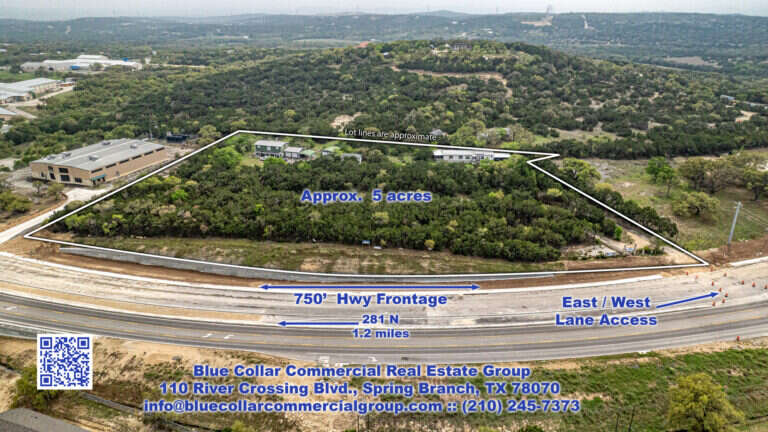
21393 TX-46, Bulverde
Asking price $1,595,000 · Closed June 2026
Land for Tenants in San Antonio & New Braunfels Metro
Talk to Rex about landSecuring commercial land for lease along the I-35 corridor requires looking past highway frontage to evaluate surface stabilization, heavy-haul access, and actual utility capacity before signing a lease agreement. We evaluate active land listings across New Braunfels, San Marcos, and Schertz by walking the fencelines, checking county drainage easements, and verifying water meters with regional purveyors. Our team matches your operational footprint with parcel boundaries that support equipment storage, retail pads, or fleet staging without unexpected capital expense. Tell us what your business needs to operate, and we will pull the parcel records to find acreage that fits your timeline.
Leasing commercial land is fundamentally an operational decision where surface improvements, zoning allowances, and infrastructure access dictate value far more than gross acreage. Tenants seeking commercial ground evaluate specialized configurations such as stabilized contractor yards, retail pad ground leases, industrial laydown acreage, commercial fleet parking, or build-to-suit development sites. Each use carries distinct physical requirements, from caliche base depth and secure perimeter fencing to three-phase power connections and heavy vehicle curb cuts. Because ground leases shift long-term site stewardship onto the tenant, understanding permitted uses under county and municipal rules determines whether an operation can legally open its doors.
In our work across Comal, Hays, and Guadalupe counties, we review underlying deed restrictions and utility capacity before our clients draft a letter of intent. A parcel that appears ready for outdoor equipment storage may lack the impervious cover allocation or TxDOT driveway permit needed to turn commercial trucks off a frontage road. We pull county records, confirm water purveyor certificates of convenience and necessity, and verify who bears the cost of site stabilization before lease negotiations begin. That practical diligence ensures your capital goes directly into your operational revenue rather than surprise dirt work.
Leasing commercial land allows expanding businesses to establish mission-critical operational footprints without committing substantial capital to land acquisition or speculative vertical construction. For heavy equipment contractors, material suppliers, fleet distributors, and retail operators, land leases provide immediate yard utility, outdoor staging capacity, or the right to construct specialized facilities under custom specifications. By leasing the underlying parcel rather than purchasing it fee simple, companies preserve operating liquidity and retain balance-sheet flexibility across varying market cycles.
A well-structured ground lease or yard lease aligns operational control with predictable occupancy costs, but it also carries direct exposure to capital recovery risk. When a tenant funds caliche stabilization, perimeter security, or vertical buildings on leased dirt, those improvements generally revert to the property owner when the lease terminates. Evaluating the amortization period of your site improvements against the base lease term confirms that your business recovers its capital investment before property rights expire.
Leasing land eliminates the substantial equity down payment required to purchase commercial acreage outright. That preserved capital remains deployed in your core business, funding equipment purchases, inventory procurement, or staff expansion. Operating under a ground lease structure keeps borrowing capacity open for revenue-generating assets. This approach lets growing firms scale their footprint without overextending commercial credit lines.
A ground lease grants the tenant the right to engineer, grade, and construct site improvements tailored to precise workflow requirements. Unlike leasing an existing industrial building with fixed bay spacing and rigid door locations, unimproved ground accommodates custom yard circulation and specialized storage layouts. You dictate the placement of stabilized pads, perimeter security, and operational staging areas. This layout flexibility prevents costly operational compromises caused by ill-fitting existing facilities.
Securing leased land along primary routes like Highway 46 or I-35 positions logistics, service, and supply businesses directly between major metro distribution channels. Many prime highway parcels are held by long-term generational owners who decline to sell but welcome creditworthy ground tenants. A commercial lease structure provides operational access to high-traffic, strategic dirt that is otherwise unavailable for outright purchase. This positioning keeps your fleet close to primary customer routes while maintaining regional distribution efficiency.
Industrial operations often experience shifting demands for outdoor staging, pipe storage, or vehicle parking as commercial contracts expand. Leasing acreage allows tenants to negotiate phased expansion options or right-of-first-refusal clauses on adjacent parcels. If operational needs shift, lease structures offer exit pathways that do not require executing a complex real estate disposition. This contractual flexibility protects your business from carrying excess real estate overhead when project scopes adjust.
Monthly rental obligations on unimproved commercial ground are substantially lower than lease rates on finished warehouse or retail square footage. Businesses that primarily require laydown space, trailer parking, or outdoor assembly avoid paying premium square-foot rates for interior climate control they do not need. Operating expenses reflect bare ground maintenance, property taxes, and site insurance rather than costly building mechanical systems. This cost structure keeps overhead manageable while securing the outdoor acreage your workflow requires.
Commercial ground leases frequently feature extended base terms with multiple renewal options that secure a business location for decades. These agreements grant exclusive possession of the dirt, allowing operators to build customer goodwill and establish regional market presence without fear of short-term displacement. Contractual rent adjustments provide predictable occupancy costs throughout the entire operating period. This long-term certainty gives operators the stability required to justify substantial investments in surface infrastructure.
Securing commercial land for lease involves technical complexities that never surface during an ordinary building walkthrough. Raw and partially improved acreage often carries hidden encumbrances, including unrecorded access easements, strict municipal utility district moratoriums, and drainage channel restrictions that significantly shrink usable acreage. Tenants who sign lease agreements without verifying physical site capacity risk paying rent on land that cannot legally support their trucks, equipment, or planned structures.
Blue Collar Commercial Group works through these operational hurdles before our clients enter binding agreements. We cross-reference county development standards, inspect physical drainage flow paths, and confirm that utility tap fees and capacity allocations are commercially viable. That on-the-ground verification prevents unexpected civil engineering expenses and confirms that your lease terms reflect the actual usable acreage of the site.
Raw acreage frequently lacks municipal water, sewer, or three-phase power connections at the property boundary. Bringing water lines across neighboring parcels or setting utility poles can trigger thousands of dollars in off-site capital expenses. We pull utility service district maps and verify meter availability with local providers before lease terms are finalized. Confirming these costs upfront prevents signing a lease on ground that remains unserviceable for your equipment.
Many commercial parcels carry zoning classifications or deed restrictions that prohibit open storage, fleet parking, or visible inventory. Municipalities and unincorporated county overlay districts frequently require extensive vegetative screening, masonry perimeter walls, or strict setbacks for industrial uses. We check municipal code enforcement histories and confirm permitted land use categories with county planning officials. This diligence protects your business from costly municipal citations or operational shutdowns after moving onto the site.
Direct frontage along major highways does not automatically confer the legal right to install a commercial driveway. The Texas Department of Transportation enforces stringent sight-distance standards, deceleration lane requirements, and median break rules for commercial entrances. We verify driveway permit status and roadway classification before negotiations proceed. Confirming legal heavy-vehicle ingress protects your logistics workflow from being blocked by state roadway regulators.
Hill Country terrain often funnels regional storm runoff across otherwise dry parcels through recorded drainage easements. Furthermore, local aquifer protection rules impose strict impervious cover limits that restrict how much acreage can be paved, compacted, or covered with roofs. We inspect topographical survey maps and calculate usable acreage outside of flood zones and drainage swales. Knowing your true usable footprint prevents paying rent on unusable runoff corridors.
The rocky limestone and shifting clays common across Comal and Hays counties create volatile civil development conditions. Stabilizing a heavy equipment yard requires stripping topsoil, crushing native caliche, and installing geogrid fabric to support commercial axle loads. We coordinate preliminary soil reviews to identify shallow rock or expansive clay before you commit to site preparation. This verification establishes realistic dirt work budgets before lease execution.
Standard ground lease agreements dictate that any horizontal grading, paving, utility lines, or permanent structures revert to the property owner at lease expiration. If a lease term is too short to amortize those civil improvements, the tenant loses capital equity when the contract concludes. We negotiate lease terms that match the financial life of your site investments while securing salvage rights for specialized modular structures. This negotiation ensures that your business fully extracts value from the capital it installs on the dirt.
Inspecting commercial land requires evaluating the dirt beneath your boots rather than relying on perimeter stakes or aerial photographs. A parcel may look level on a computer screen, but a site visit can reveal jagged limestone outcroppings, hidden water flow channels, or soil conditions that will fail under loaded commercial trucks. Conducting rigorous physical and regulatory due diligence before signing a lease confirms that the site can support your daily operational wear without continuous maintenance failures.
Our team walks the property boundaries with clients, inspecting fencelines, drainage paths, and neighboring access points across the Texas Hill Country. We verify the presence of active utility connections, evaluate vehicle turning clearances, and review title commitments for encumbrances that could restrict heavy equipment staging. Inspecting these core criteria protects your capital and keeps your business on schedule.
Inspect whether the existing surface consists of engineered compacted caliche, crushed aggregate, asphalt millings, or uncompacted native dirt. Heavy machinery and loaded tractor-trailers will quickly rut and sink in unengineered soil following wet weather, halting your distribution. We inspect base depth and surface grading to determine whether additional rock base and geogrid stabilization are required. Verifying surface strength prevents expensive vehicle towing bills and ground maintenance delays.
Water service in rural and suburban areas is strictly governed by state-approved utility retail boundaries. A property located near a municipal water main may still belong to an investor-owned water supply corporation with restricted meter availability or high capital impact fees. We check regional utility maps to confirm which entity controls water service to the dirt. That step verifies whether domestic water and fire flow are available for your facility.
Examine the parcel entrance to ensure commercial tractor-trailers, lowboys, and concrete trucks can turn without crossing oncoming traffic lanes or dragging on steep ditch aprons. Narrow gates and tight culverts damage commercial equipment and create dangerous traffic bottlenecks along busy frontage roads. We measure entrance radii and inspect approach ditch grades to confirm truck clearance. Establishing clear ingress keeps your fleet moving safely and reduces vehicular liability.
Review federal flood hazard maps and inspect natural surface drainage patterns across the entire parcel. In the Hill Country, flash flooding can rapidly submerge low-lying ground and wash away unanchored inventory or caliche road base. We cross-reference county drainage mapping to confirm that your primary staging pads remain above seasonal high-water marks. This analysis keeps your valuable equipment inventory secure from heavy storm runoff.
Evaluate the condition of existing perimeter fencing, entrance gates, and outdoor illumination before calculating operational budgets. Many county jurisdictions mandate opaque vegetative buffers or privacy screening around outdoor storage yards that border residential or public rights-of-way. We inspect boundary fence integrity and review local screening ordinances with municipal staff. Knowing these standards helps you budget for security infrastructure before inventory arrives on site.
Confirm whether the site has immediate access to commercial single-phase or three-phase power from the local electric cooperative or utility provider. Operations utilizing heavy welders, air compressors, vehicle charging stations, or office trailers require adequate amperage at the property boundary. We coordinate with local electric providers to determine line proximity and transformer availability. That confirmation avoids thousands of dollars in off-site utility line extension costs.
Inspect the ground lease agreement to verify whether the landlord permits leasehold mortgages and agrees to customary lender protection terms. If your business plans to secure bank financing for metal buildings, offices, or site improvements, your commercial lender will require formal leasehold mortgage protections. We work with your legal counsel to confirm non-disturbance agreements and leasehold financing clauses. Securing these terms ensures your commercial lender can fund your facility construction without contractual delays.
Securing the right commercial land lease requires a disciplined advisory approach that moves systematically from operational profiling to lease execution. Because unimproved dirt lacks the standard architectural specifications of an existing commercial building, every physical requirement—from load-bearing soil strength to utility tap line items—must be defined and evaluated before property tours begin. We guide business owners, contractors, and national operators through each transactional milestone, protecting their operational capital at every step.
Our process pairs real data with detail visible only from walking the dirt. Leigh Neves, in commercial real estate since 2020, works directly with tenants to verify utility capacities, examine county plat maps, and negotiate protective lease terms with landowners. This systematic execution confirms that when you take possession of the parcel, your operational timeline moves forward without regulatory or physical surprises.
We begin by analyzing your business footprint, equipment dimensions, vehicle traffic flow, and storage requirements. Our team defines baseline site specifications, including acreage parameters, caliche base standards, fencing security needs, and utility power loads. We also review your target business submarkets across New Braunfels, San Marcos, and neighboring corridors to establish geographic priorities. This initial scope focuses the search strictly on parcels that match your daily operational demands.
We scan active commercial listings, unlisted acreage, and off-market parcels across Comal, Hays, and Guadalupe counties. Our team reviews county parcel records and speaks with local landowners to uncover available ground that fits your operational profile. We filter out sites encumbered by severe drainage restrictions, unusable terrain, or prohibitive zoning classifications. This comprehensive survey delivers a curated collection of viable commercial sites without wasting your time on unusable parcels.
We inspect short-listed parcels in person alongside your operational team, walking fencelines and checking site access firsthand. We evaluate sight distances, truck turning radiuses, rock depth, and the physical condition of existing gate access and utilities. Our advisors point out potential grading challenges and unrecorded drainage paths visible only from walking the dirt. This physical inspection confirms which parcels genuinely support your commercial workflow before drafting offers.
We draft and present comprehensive letters of intent that structure lease terms to protect your operational capital. Our team negotiates favorable base rental rates, multi-year renewal options, site preparation allowances, and necessary free-rent periods to account for municipal permitting. We also establish clear landlord performance benchmarks regarding baseline access and perimeter fencing. This negotiation creates balanced contract terms that protect your balance sheet before attorneys begin drafting.
During formal lease drafting, we coordinate with your legal counsel and civil engineers to review every operational clause. We verify survey boundaries, examine title commitments for problematic easements, and confirm municipal permitting feasibility periods. Our team focuses heavily on reversion clauses, leasehold financing allowances, and restoration covenants at lease expiration. This coordination ensures that the signed contract preserves your capital investment and prevents unexpected end-of-term restoration liabilities.
We walk the parcel on the possession date to verify that all landlord work, gate installations, and boundary markers match the executed lease terms. If utility connections or site grading require remediation before your equipment arrives, we address those items directly with the property owner. Our advisory relationship continues throughout your lease term, providing local market guidance whenever you need to adjust space or negotiate renewal options. This ongoing advocacy ensures your commercial location supports your business for the long haul.
Commercial land leases are engineered for business operations that prioritize secure outdoor space, heavy vehicle circulation, and specialized site development over traditional enclosed square footage. Across the San Antonio-Austin corridor, operators ranging from regional fleet logistics providers to civil infrastructure contractors discover that leasing ground offers the most capital-efficient path to market entry. Securing the dirt on a multi-year lease allows these enterprises to build custom operational staging areas without locking up working capital in land debt.
We represent a broad spectrum of commercial operators, matching their unique space demands with suitable parcels in Comal County, Hays County, and surrounding markets. Whether you need a simple caliche yard for pipe storage or a long-term ground lease for a new retail facility, we ensure your lease agreement provides the stability and legal rights necessary to operate smoothly.
Designed for logistics providers, regional distribution carriers, and passenger transport companies requiring secure outdoor parking for tractor-trailers, box trucks, and delivery vans. These businesses need wide turning radiuses, heavy-duty caliche or concrete paving, and direct access to major arterial freeways like I-35. Leasing dedicated acreage provides the space needed for fleet staging, driver parking, and maintenance staging. This setup keeps daily dispatch operations efficient while managing per-vehicle parking overhead.
Ideal for road builders, excavation contractors, utility specialists, and aggregate suppliers that manage heavy equipment fleets and bulk construction materials. These users require high soil compaction, perimeter security fencing, and authorization for outdoor equipment washing and staging. A commercial yard lease offers the outdoor storage capacity needed to support public and private infrastructure contracts. Securing a strategic local yard shortens haul times to regional job sites across the Hill Country.
Tailored for retail franchises, convenience store chains, and quick-service restaurant brands that construct prototype commercial buildings on leased pad sites. These operators seek high-traffic highway frontage, signalized corner intersections, and prominent sign visibility. A long-term ground lease gives the tenant complete architectural control over vertical construction while avoiding the substantial capital expense of purchasing prime highway land. This structure allows national and regional brands to expand their store network efficiently.
Suited for commercial machinery dealerships, agricultural equipment suppliers, and trailer rental businesses that require prominent display frontage paired with a secure service yard. These tenants benefit from highway visibility to attract walk-in business while utilizing rear acreage for machine storage, wash racks, and repair staging. Leasing commercial land along Highway 46 or primary thoroughfares maximizes customer exposure. This exposure supports equipment turnover without diverting capital from inventory floor plans.
Engineered for electrical contractors, telecommunication infrastructure firms, and pipeline service companies executing regional utility buildouts. These tenants require temporary or multi-year yard storage for utility poles, transformers, conduit spools, and service trucks. A strategically positioned land lease serves as a centralized deployment base for regional line crews. Having an organized local yard keeps field teams responsive to municipal and rural utility service calls.
Structured for established trade contractors, landscapers, and service business owners taking their first step from a home base or shared facility into a dedicated commercial yard. These operators need manageable acreage with secure gate access, perimeter fencing, and straightforward lease terms that fit conservative operating cash flow. We guide first-time commercial tenants through utility setups, security standards, and leasehold obligations. This guidance ensures a smooth transition to an independent commercial operating base.
Entering a commercial land lease or ground lease involves unique legal, operational, and financial considerations that differ fundamentally from leasing an office suite or warehouse bay. Prospective tenants must evaluate who pays for site stabilization, how long-term capital improvements are treated at lease expiration, and what local municipal approvals are required before moving equipment onto the dirt. Having clear answers to these questions before drafting lease documents protects your operating budget and prevents costly disputes.
Blue Collar Commercial Group provides straightforward guidance based on real market transactions across New Braunfels and the Hill Country. Below are direct answers to common questions businesses ask when evaluating commercial land for lease. Review these insights to understand your rights, responsibilities, and financial commitments as a commercial land tenant.
A ground lease is typically a long-term agreement where the tenant leases unimproved land and funds the construction of permanent buildings or substantial infrastructure, with the leasehold interest often lasting several decades. In contrast, a commercial yard lease is generally a shorter-term agreement for secured outdoor space used for equipment parking, container storage, or material laydown with minimal vertical construction. Yard leases focus primarily on surface stabilization and perimeter fencing, while ground leases involve complex development rights and leasehold financing terms. Understanding this distinction ensures you select the correct contract structure for your operational capital plans.
Responsibility for surface improvements is entirely negotiable between the tenant and the property owner during initial letter of intent drafting. In most standard land leases, the tenant funds caliche base installation, grading, and perimeter security fencing tailored to their specific equipment weights and security needs. However, landlords frequently provide financial contributions in the form of initial rent abatement periods or dedicated tenant improvement allowances to offset those civil engineering expenses. We negotiate these concessions early in the process to minimize your upfront out-of-pocket development costs.
The length of your lease term directly dictates whether your business can amortize the capital spent on surface grading, utility taps, and rock base stabilization before control of the dirt expires. If a tenant spends substantial funds preparing an uncompacted parcel under a short lease without renewal protections, the annualized cost of those civil improvements can overwhelm operational profit margins. We structure base terms with multiple multi-year renewal options to ensure your operational return comfortably exceeds your initial dirt work investment. Reviewing your civil development budget alongside your CPA can confirm the optimal amortization timeline for your business balance sheet.
Under customary commercial land lease language, permanent horizontal improvements such as underground utility lines, concrete slabs, and base paving automatically revert to the landowner when the lease terminates. However, movable modular offices, temporary equipment canopies, and specialized storage racks are generally designated as tenant trade fixtures that you retain the right to remove upon lease expiration. Your lease agreement must explicitly define which items belong to the tenant and specify end-of-term site restoration standards. That contractual clarity prevents property disputes and unexpected demolition expenses when your tenancy concludes.
Yes, businesses routinely obtain commercial construction financing for improvements constructed on leased land through a recognized legal instrument known as a leasehold mortgage. To approve this financing, commercial lenders require specific leasehold protections within the ground lease, including notice of default, the right to cure tenant violations, and non-disturbance covenants from the fee owner. If the underlying property has an existing mortgage, the landlord’s lender must also execute a subordination, non-disturbance, and attornment agreement to protect your leasehold interest. Worth reviewing with your real estate attorney, these clauses ensure your construction financing can proceed without institutional lender objections.
Unless the lease agreement explicitly requires the property owner to deliver utilities to the property boundary, the responsibility and expense of extending water, sewer, and electric lines fall on the tenant. Connecting to regional utility systems also triggers municipal impact fees, meter installation charges, and potential right-of-way easement acquisition costs. We verify the precise physical location of surrounding utility infrastructure before you sign a lease so that all connection expenses are accounted for during negotiations. This due diligence ensures that unexpected utility tap costs do not derail your project timeline.
County stormwater regulations and regional aquifer protection rules restrict the total percentage of a parcel that can be covered by compacted caliche, asphalt, or rooftops, because hardened surfaces accelerate rainwater runoff. If an outdoor storage yard exceeds allowable impervious cover thresholds, the tenant must engineer and construct on-site detention ponds or filtration basins to catch storm runoff. These civil drainage requirements consume usable yard acreage and require specialized engineering permits. We review county drainage ordinances prior to lease execution to ensure your proposed storage layout complies with local water control standards.
A well-structured commercial land letter of intent must include a formal feasibility contingency period that allows the tenant to conduct environmental reviews, soil compaction tests, and utility availability checks before the lease becomes binding. The agreement should also grant the tenant full physical site inspection rights and make the lease contingent on obtaining all necessary municipal conditional-use permits and driveway authorizations. Establishing these contingency protections ensures you can walk away from the transaction without financial penalty if the dirt cannot legally support your business operations. Having these safeguards in place protects your operating capital while your civil engineers evaluate the parcel.
Each sale shows the asking price, and the closing date when we have it.
Asking price $1,595,000 · Closed June 2026
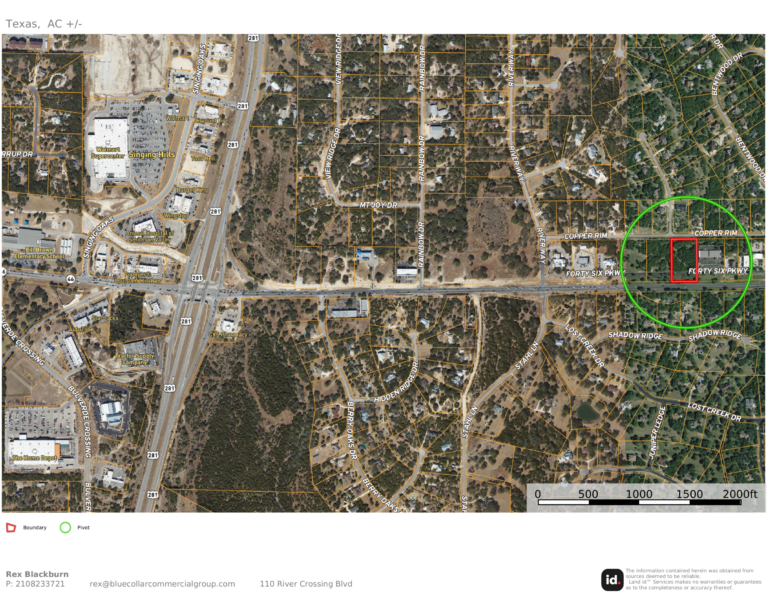
Asking price $595,000 · Closed April 2024
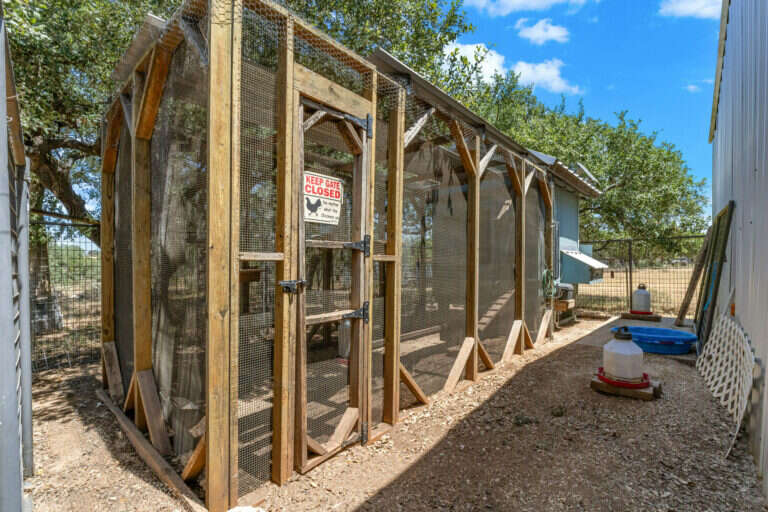
Asking price $1,095,000 · Closed April 2026
We also work these.
What is changing in Texas land, water and growth, explained for owners, not insiders.

TxDOT taking part of your Texas land? See what the state pays for, which losses it doesn't count, how the process runs, and when…

Selling a Texas shopping center? See how a careful buyer rebuilds your income, which fixes can pay off, and how to handle tenant estoppels…

Buying your first Texas shopping center? See how vacancy, taxes and loan terms can turn a 7.5% return into 5%, and what to check…

A 15-minute call. Tell him what you own or what you want to buy. He will tell you what he sees, good and bad. No cost, no pressure.
Talk to Rexor call 210-823-3721
We Are Ready To Help You In Making Smart Real Estate Decisions
Whether you have questions about commercial real estate, need advice on your next investment, or are ready to take the next step, we’re here to help. At Blue Collar Commercial Group of New Braunfels, we pride ourselves on providing personalized, expert guidance at every step. Fill out the contact form, and we’ll get back to you promptly to discuss how we can work together to achieve your goals. Let’s start the conversation today!
Local commercial real estate news and new listings, once a month.