
SoldLand
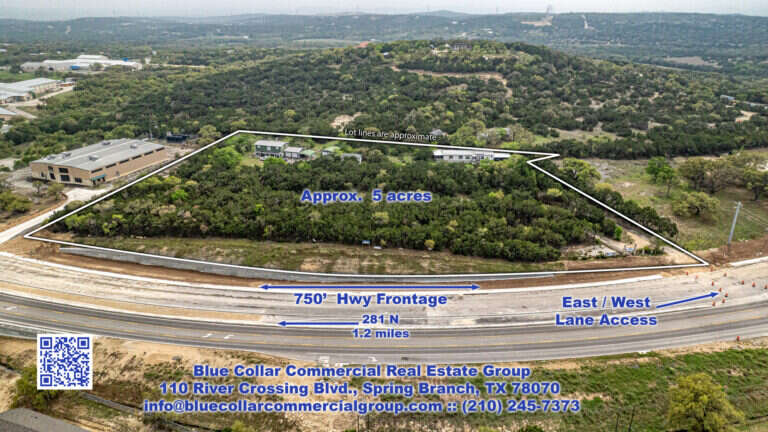
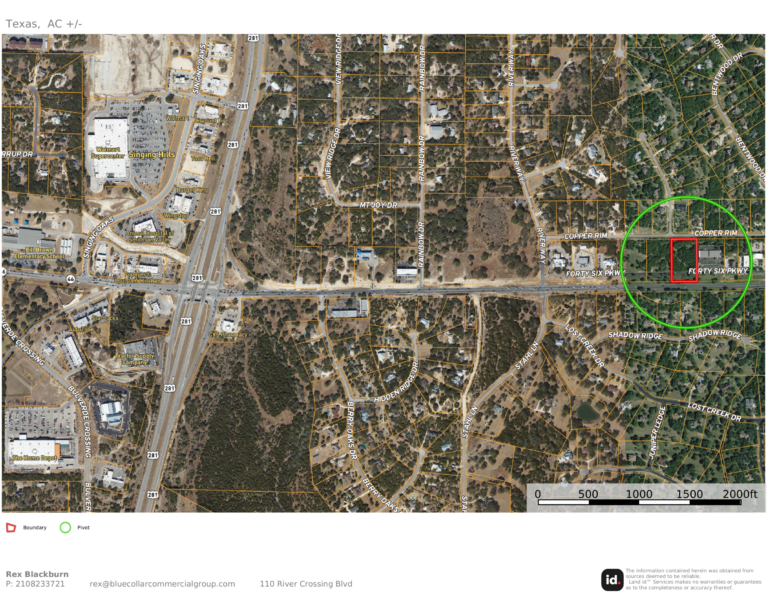
21393 TX-46, Bulverde
Asking price $1,595,000 · Closed June 2026
Land for Sellers in San Antonio & New Braunfels Metro
Talk to Rex about landWhether you hold inherited pasture in Bulverde, highway frontage outside Seguin, or commercial parcels near New Braunfels, selling acreage requires knowing exactly what can be built on the dirt before buyers start discounting for unknowns. We pull county records, research water service capacity, and walk boundary lines to identify utility corridors and access points so your ground is positioned accurately from day one. Our team matches your acreage with active regional buyers, developers, and users who have the capital and capacity to close. Tell us about your property, and we will show you what the market will bear.
Selling commercial land is a valuation-driven process that turns on infrastructure availability, regulatory jurisdiction, physical site usability, and buyer capitalization. Raw dirt carries holding expenses rather than producing monthly tenant rent, meaning an owner who decides to exit must account for property tax carrying costs, municipal expansion timing, and shifting regional demand. Across the corridor, transaction dynamics vary substantially depending on whether a site is positioned as commercial pad sites, light industrial acreage, highway-frontage development parcels, or unentitled acreage suited for long-term land banks.
We help owners navigate the gap between what a tract of dirt looks like on an aerial plat and what an engineer sees during feasibility. Blue Collar Commercial Group evaluates utility service connections, drainage easements, and local access permits before drafting offering materials, preventing prospective buyers from renegotiating contract terms mid-escrow over basic site conditions. Leigh Neves and our team look at the dirt itself alongside public comps so you evaluate genuine offers backed by practical market intel.
Disposing of acreage is rarely an impulse decision; it is a calculated financial move driven by generational planning, capital reallocation, or regional growth catching up to a parcel. Commercial and industrial demand along major transportation routes has created focused buyer interest in developable parcels throughout Comal County and Hays County. Owners who have paid annual taxes on unimproved ground often reach a point where harvesting equity produces a cleaner financial return than continuing to carry non-income-producing property.
Selling unimproved property carries execution risks, particularly regarding fluctuating interest rates that impact developer financing and extended feasibility timelines. Taking a tract to market without pre-verifying water capacity or road access can leave a listing stagnant while nearby parcels trade. Positioning your ground with verified site facts allows you to capture buyer demand while shielding yourself from speculative contract tie-ups that fail to close.
Unimproved commercial land generates recurring property tax bills, weed abatement costs, and liability exposure without delivering operating cash flow. Disposing of the asset stops these annual out-of-pocket holding expenses and converts non-liquid equity into accessible capital for alternative investments.
When municipal water mains, sewer trunks, or thoroughfare expansions reach your fenceline, property value often peaks as land shifts from agricultural use to immediate commercial utility. Selling as utilities arrive captures premium pricing from active builders looking for shovel-ready parcels.
Multi-generational land holdings often become difficult to distribute equitably among family members who have differing financial priorities. Liquidating acreage allows families to settle estates cleanly, divide proceeds equitably, or deploy proceeds into individual 1031 exchange replacement assets.
Many land sellers choose to trade raw ground for cash-flowing commercial properties such as industrial buildings, retail strip centers, or single-tenant net-lease assets. Shifting capital from vacant ground into stabilized real estate creates predictable revenue while deferring capital gains through IRS-compliant tax structures.
Developers and regional owner-occupants are continually sourcing commercial sites with direct access along established Hill Country travel routes. Marketing directly to these well-capitalized groups gives sellers leverage to secure competitive terms and dependable earnest money commitments.
Marketing raw dirt presents distinct complexities that do not exist with existing commercial buildings where rent rolls tell the financial story. A piece of ground can have prime frontage but sit across a regulatory line that complicates wastewater hookups, or it may contain severe slope conditions that reduce usable square footage. When owners market acreage without comprehensive physical due diligence in hand, prospective buyers routinely exploit unverified variables to drive down pricing during escrow.
Our advisory process protects your equity by addressing potential transaction obstacles prior to public or private marketing. We examine water purveyor boundaries, flood plain designations, and right-of-way dedications to establish realistic site utility. Resolving site questions upfront keeps prospective purchasers from tying up your tract in prolonged feasibility periods with little intention of closing at the agreed price.
Buyers cannot construct commercial facilities without verified water allocations and wastewater solutions. If service availability with local water supply corporations or municipal utilities is unconfirmed, transactions stall during engineering review. We confirm utility provider boundaries and service letters before putting properties under contract.
Hill Country acreage frequently contains limestone outcroppings, steep elevation drops, and natural drainage conveyances that limit usable building footprints. Failing to define the net buildable envelope leads to contentious retrades during contract diligence. We calculate usable area early so pricing reflects constructible dirt.
Unvetted purchasers often attempt to place land under long-term contract while they shop for development partners, risking cancellation if their financing falters. We scrutinize buyer track records, demand non-refundable earnest money deposits after inspection periods, and establish strict feasibility deadlines.
Direct road frontage does not confirm legal driveway access, particularly along state-maintained highways and arterial corridors where curb cuts face strict spacing rules. Without verified access feasibility, buyers can cancel contracts late in diligence. We check access status with regulatory bodies prior to listing.
Parcels located in municipal extraterritorial jurisdictions remain subject to city subdivision ordinances even when outside city tax limits. Misunderstanding which entity regulates platting, tree mitigation, and impervious cover can lengthen closing timetables. We clarify jurisdictional authority to present buyers with unambiguous development paths.
Determining the real market value of commercial acreage requires looking far beyond simple price-per-acre averages drawn from raw deed records. Sophisticated buyers underwrite sites based on the capital required to achieve building permits, meaning site preparation costs directly affect land pricing. Understanding your property’s specific physical, legal, and operational attributes allows our team to highlight high-value features while defending against unwarranted pricing discounts.
We walk your acreage to catalog tangible property assets, including perimeter fencing, established culverts, utility meters, and cleared building pads. Leigh Neves and Blue Collar Commercial Group combine this on-the-ground intelligence with local comps to position your ground with clarity and discipline. The following criteria represent the fundamental value drivers that dictate buyer underwriting and final closing prices.
Engineers evaluate land by its usable building envelope rather than gross boundary acreage. Portions encumbered by utility easements, drainage channels, or steep slopes do not support commercial structures. Knowing your net buildable footprint protects your asking price and eliminates buyer surprises during formal engineering reviews.
The distance to electric three-phase power, municipal water mains, and gravity sewer lines dictates whether a buyer can break ground cost-effectively. Documenting line capacities, tap fee structures, and existing easements confirms your property's readiness for commercial construction.
Commercial users require unobstructed truck turning radii and safe customer ingress and egress. Properties with dedicated turning lanes, median breaks, or dual frontage command valuation premiums over tracts with restricted sightlines or shared private easements.
Land that is already platted or positioned in an unincorporated county area offers a faster path to building permits than land requiring municipal annexation or complex zoning approvals. Clear legal entitlement status gives buyers schedule confidence and supports firm pricing.
Karst recharge features, seasonal waterways, and potential environmental liabilities can delay development programs. Assembling prior environmental assessments, phase reviews, and wildlife exemptions reassures institutional developers that your parcel can transfer without latent development liabilities.
High daily vehicle counts and complementary adjacent developments make commercial parcels desirable for retail pad users and corporate flex developers. Documenting view corridors, sign visibility, and neighboring business activity demonstrates commercial utility to potential buyers.
Selling acreage requires a structured advisory approach that balances thorough property preparation with focused market exposure. Putting a sign on raw dirt and waiting for random inquiries exposes landowners to speculative offers from underqualified parties who tie up property for extended durations. Our team manages every phase of marketing and negotiations to establish clear timelines, protect property confidentiality when required, and enforce firm closing milestones.
We guide landowners through each step with practical data, clear communication, and local market observations. From verifying utility lines on site to closing escrow with seasoned title officers in Comal County and Bexar County, we handle the transaction details so you can make informed decisions with confidence. Here is how we take your land from initial evaluation through final closing.
We meet on your property to walk fencelines, examine topography, and establish your financial objectives and timing requirements. Understanding your tax considerations, reinvestment plans, and family goals allows us to tailor the disposition structure to your priorities.
We analyze county records, recent closed acreage comps, and active listings to evaluate your land's competitive standing. Our valuation models distinguish gross acreage from buildable footprint, establishing an aggressive yet defensible asking price based on confirmed market data.
We assemble a comprehensive offering package containing boundary surveys, utility verification letters, topographic contour maps, and jurisdictional documentation. Resolving title questions and compiling site data upfront eliminates buyer hesitation and shortens future inspection timelines.
We present your acreage directly to targeted networks of active regional developers, commercial builders, and corporate site selectors. Every inquiry undergoes strict vetting to confirm financial capability and development track records before offering sensitive property files.
We review incoming purchase proposals, analyzing price, earnest money terms, feasibility duration, and closing contingencies. Our team negotiates commercial contract provisions to secure non-refundable deposits and strict milestone schedules that hold buyers accountable.
We coordinate with engineers, surveyors, environmental consultants, and commercial title officers throughout the feasibility phase. By actively managing transaction milestones through final funding, we confirm that contract commitments are honored and your proceeds are delivered securely.
Every landowner approaches a property sale from a distinct commercial standpoint, whether they are managing multi-generational ranch assets or unwinding commercial investment positions. Aligning the sale strategy with your financial goals ensures the marketing campaign targets buyers whose development timelines match your priorities. Blue Collar Commercial Group delivers specialized disposition advisory for private individuals, business owners, and corporate investors across our service footprint.
We focus on transaction structures that minimize unnecessary tax exposure, reduce post-sale liabilities, and protect our clients’ bottom lines. Whether your sale involves an agricultural valuation rollover, a corporate surplus asset, or an exit from a long-term partnership, our team provides practical, field-tested guidance. The profiles below represent common seller situations we advise on across the region.
Families holding legacy acreage near emerging commercial corridors often seek to capture development value while addressing family estate needs. We provide respectful, patient counsel, structuring parcel carve-outs or total tract sales that protect the family's financial legacy.
Investors who own non-income-producing dirt frequently sell to transition their equity into cash-flowing retail, office, or industrial assets. We coordinate closely with Qualified Intermediaries to synchronize land disposition schedules with the acquisition of income-producing replacement properties.
Operating companies that acquired excess ground for planned expansions sometimes discover those sites are no longer required for core operations. We help owners market surplus frontage and industrial tracts, converting unused real estate into working business capital.
Property owners selling commercial acreage for the first time face specialized contract terms, earnest money schedules, and feasibility clauses. We demystify the commercial sales process, protecting client interests during negotiations and ensuring they never get outmaneuvered by experienced developers.
Investment groups concluding their targeted hold periods require transparent pricing, defensible market analytics, and orderly sale executions to satisfy partner mandates. We deliver clear transaction reporting and disciplined contract oversight from initial offering to final distribution.
Selling acreage involves complex questions about property valuation, infrastructure timing, tax consequences, and buyer qualifications. Landowners frequently seek clarity on how to establish realistic asking prices, how long commercial acreage typically takes to trade, and how to safeguard their equity during feasibility periods. Below are straightforward answers to common questions we address when meeting with commercial land sellers across Comal, Hays, and Guadalupe counties.
Our team believes in giving honest answers supported by public records and local market observations rather than telling owners what sounds pleasant. If you have specific questions about water rights, zoning restrictions, or how your property compares to recent area transactions, contact us directly for an objective assessment.
Commercial land value is determined by what can legally, physically, and economically be developed on the dirt, whereas improved commercial real estate is valued primarily on in-place tenant leases and net operating income. When evaluating raw acreage, appraisers and buyers underwrite the cost of utility extensions, site grading, drainage detention, and municipal permit fees required to build. Tracts with water capacity, sewer access, and direct road cuts trade at substantial premiums over unserviced parcels because developers spend less time and capital preparing the dirt for construction.
Selling raw land involves longer buyer feasibility periods and detailed civil engineering evaluations, whereas selling improved real estate centers on lease rolls, tenant credit, and physical building conditions. Land contracts require thorough scrutiny of environmental conditions, water service availability, and zoning compliance before a buyer can remove contingencies. Because land buyers are financing a future development rather than taking over existing rent collections, lenders subject acreage acquisitions to rigorous equity requirements and detailed development milestones.
Commercial land purchasers generally request an extended feasibility window to perform phase environmental reviews, boundary and topographic surveys, and utility capacity verifications. The exact length of this inspection period depends on the complexity of the site and whether municipal approvals, zoning variances, or platting filings are necessary. A skilled land broker structures the contract so that earnest money deposits become non-refundable once basic physical inspections conclude, preventing buyers from stalling without real financial commitment.
Yes, landowners frequently subdivide and sell frontage or excess acreage while retaining their personal homesite, ranch headquarters, or future commercial tracts. Doing so requires compliance with local county subdivision rules or municipal extraterritorial jurisdiction platting regulations. We work with experienced land surveyors to establish logical boundary carve-outs that preserve utility access, roadway frontages, and future development value for the acreage you choose to keep.
When agricultural or open-space land changes to a non-agricultural commercial use, the property triggers rollback taxes for the preceding tax years under Texas property tax statutes. The rollback assessment captures the difference between the taxes paid under the agricultural valuation and the taxes that would have been paid based on market value. Commercial purchase contracts must explicitly specify whether the buyer or the seller assumes financial responsibility for the rollback tax liability upon closing.
Unimproved real estate held for investment or business use qualifies for tax deferral under Section 1031 of the Internal Revenue Code when exchanging into other like-kind real estate. A landowner can sell raw acreage and acquire income-generating assets such as retail centers, industrial buildings, or multifamily properties to establish immediate cash flow. Federal regulations mandate that statutory timelines begin immediately upon sale closing and that a Qualified Intermediary be engaged before the initial deed transfers; a qualified tax advisor can evaluate how this applies to your situation.
We offer targeted, confidential disposition services for landowners who prefer not to advertise publicly with yard signage or general public portal blasts. Our team markets the parcel through vetted private channels, requiring prospective purchasers to execute formal non-disclosure agreements before releasing surveys, utility maps, or ownership details. This approach protects sensitive family or partnership matters while delivering controlled exposure to qualified regional buyers.
To prepare your land for an efficient marketing process, you should gather existing boundary surveys, title policies, ad valorem tax statements, and documentation regarding current agricultural exemptions. You should also compile any utility service agreements, well logs, deed restrictions, access permits, or mineral reservation notes. Having these records assembled upfront allows our team to address buyer inquiries immediately and prevents delays when drafting purchase contracts.
Each sale shows the asking price, and the closing date when we have it.
Asking price $1,595,000 · Closed June 2026
Asking price $595,000 · Closed April 2024
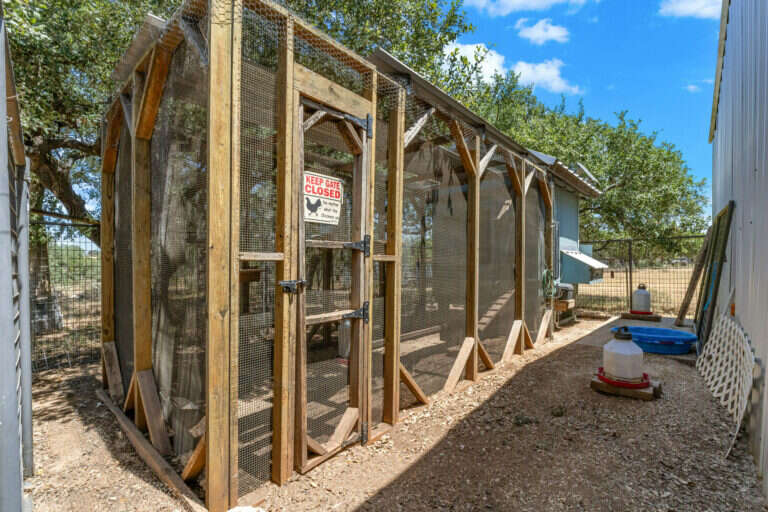
Asking price $1,095,000 · Closed April 2026
We also work these.
What is changing in Texas land, water and growth, explained for owners, not insiders.

TxDOT taking part of your Texas land? See what the state pays for, which losses it doesn't count, how the process runs, and when…

Selling a Texas shopping center? See how a careful buyer rebuilds your income, which fixes can pay off, and how to handle tenant estoppels…

Buying your first Texas shopping center? See how vacancy, taxes and loan terms can turn a 7.5% return into 5%, and what to check…

A 15-minute call. Tell him what you own or what you want to buy. He will tell you what he sees, good and bad. No cost, no pressure.
Talk to Rexor call 210-823-3721
We Are Ready To Help You In Making Smart Real Estate Decisions
Whether you have questions about commercial real estate, need advice on your next investment, or are ready to take the next step, we’re here to help. At Blue Collar Commercial Group of New Braunfels, we pride ourselves on providing personalized, expert guidance at every step. Fill out the contact form, and we’ll get back to you promptly to discuss how we can work together to achieve your goals. Let’s start the conversation today!
Local commercial real estate news and new listings, once a month.