
SoldLand
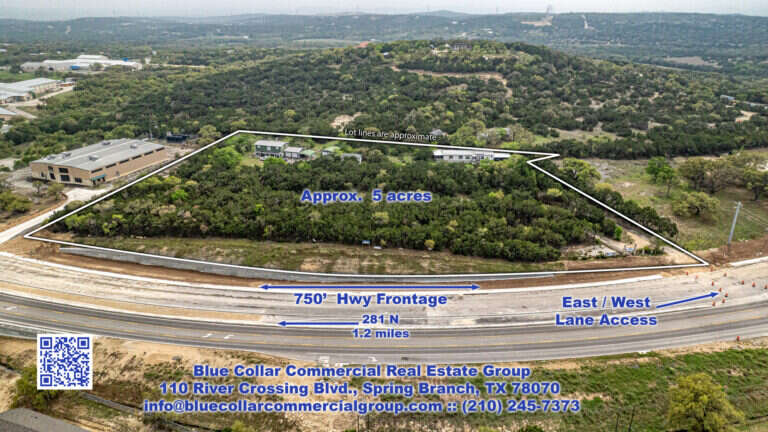
21393 TX-46, Bulverde
Asking price $1,595,000 · Closed June 2026
Land for Buyers in San Antonio & New Braunfels Metro
Talk to Rex about landFinding commercial land along the Interstate 35 and Highway 46 corridors requires looking past a parcel map into physical utility access, water capacity, and municipal boundaries. Whether you are an owner-operator seeking highway frontage in New Braunfels, a commercial developer evaluating parcels in Bulverde, or an investor securing acreage in Seguin, we verify the infrastructure before you commit capital. We walk the fencelines, pull the district utility records, and confirm development feasibility directly with local providers. Tell us what your project requires, and we will identify parcels that meet your operational and financial criteria.
Land buyers are ultimately acquiring development rights, physical utility capacity, and access — dirt value follows infrastructure feasibility rather than acreage alone. Across Comal County and neighboring corridors, sites vary from retail pad sites and light industrial acreage to highway frontage tracts and mixed-use parcels. Evaluating each parcel requires examining what can physically connect to the property, how local regulations govern land use, and whether drainage patterns reduce the net buildable footprint.
Blue Collar Commercial Group evaluates acreage through hands-on site investigation and verified district records. We examine water purveyor boundaries, electric capacity, and easement encumbrances before drafting an offer, identifying site constraints before you spend capital on engineering studies. That practical diligence helps you compare sites based on true horizontal development costs rather than asking price alone.
Commercial land provides owner-users and investors control over site design, operational footprint, and long-term positioning. Buying land allows an operator to build to exact specifications or secure strategic commercial frontage before surrounding municipal expansions increase acquisition costs across Comal County and Hays County.
Holding unimproved ground carries ongoing holding costs, including property taxes, financing carry, and zoning compliance timelines that generate no immediate income until construction begins. Weighing those carrying expenses against long-term development value remains a critical step for every land buyer.
Purchasing unimproved commercial land gives owner-occupiers complete authority over building footprint, yard storage, truck access, and utility sizing. Existing buildings often require expensive retrofits that compromise daily workflow or parking efficiency. Building from raw ground ensures the final facility matches your operational requirements from day one.
Acquiring parcels along Highway 46 or near Interstate 35 positions your business directly along major regional transportation routes between San Antonio and Austin. As regional distribution and retail trade expand through New Braunfels and San Marcos, well-located frontage tracts retain strong commercial relevance. Securing a site early establishes long-term location equity.
Investors completing a 1031 exchange often acquire commercial acreage to preserve equity and defer capital gains liabilities after disposing of management-heavy assets. Raw land requires minimal day-to-day management compared to multi-tenant retail or office properties. Selecting the right parcel allows an investor to park capital into hard assets without tenant operational burdens.
Large commercial parcels allow developers and businesses to construct initial facilities while holding additional acreage for future expansion or ground leasing. Securing surplus acreage upfront protects against being landlocked as adjacent parcels develop. That flexibility allows an enterprise to scale on site without the disruption of relocating.
Unlike improved commercial real estate with aging roofs, parking lots, and mechanical systems, raw land carries no structural depreciation or emergency repair requirements. Carrying costs are primarily limited to local property taxes, insurance, and minimal fenceline upkeep. This simple balance sheet profile makes acreage an attractive long-term hold for private buyers.
Raw land acquisitions carry distinct physical, regulatory, and financial hurdles that never appear on improved property transactions. A parcel may look flat and usable on a county aerial, yet contain jurisdictional restrictions, karst geology, or utility moratoria that prevent commercial development.
We help buyers uncover hidden site encumbrances by reviewing platting histories, watershed rules, and service utility agreements early in the evaluation process. Identifying these hurdles before earnest money goes hard protects your capital and keeps your construction schedule realistic.
In the Texas Hill Country, water availability varies dramatically between municipal utilities, special utility districts, and private water companies. Some properties lack water certificates of convenience and necessity, requiring expensive main extensions or restrictive rainwater collection systems. We verify service commitments directly with local water providers before closing.
Many unincorporated tracts in Comal County and Guadalupe County lack municipal sewer connections, requiring on-site sewage facilities or private treatment plants. Thin Hill Country soils and limestone rock layers frequently restrict septic absorption fields and limit total building occupancy. We confirm soil profiles and sewer extension costs during feasibility periods.
Flash flood zones, dry creek beds, and steep Hill Country terrain significantly reduce the net usable acreage on raw tracts. What appears as open acreage might lose a large percentage of buildable ground to regional drainage detention requirements. We review elevation contours and flood maps to establish true net buildable area.
Properties located within city extraterritorial jurisdictions remain subject to municipal subdivision ordinances and tree preservation rules despite lacking city utilities. Navigating both county development standards and city platting requirements can add unexpected engineering expenses and permit delays. We clarify jurisdictional authority before you finalize deal terms.
Frontage along state highways like Highway 46 does not guarantee commercial driveway approval from the Texas Department of Transportation. Driveway spacing requirements, sight-distance constraints, and deceleration lane mandates can restrict access or add significant concrete costs. We confirm access permit viability with road authorities early in diligence.
Thorough due diligence on commercial acreage requires looking far beyond boundary pins and asking prices. Evaluating a tract demands a systematic review of off-site utility lines, environmental features, access easements, and development restrictions that dictate building feasibility.
Our advisory approach focuses on verifying infrastructure reality directly with county engineers, utility directors, and title officers across New Braunfels, Boerne, and Seguin. Inspecting these core factors ensures you negotiate an accurate price based on real horizontal development costs.
Locate the nearest points of interconnection for three-phase power, municipal water, natural gas, and sanitary sewer. A utility main running along the road frontage does not guarantee capacity or service availability for commercial use. Verifying line sizes, static pressure, and impact fees confirms what connections will actually cost.
Unincorporated land in Texas has no county zoning, but private deed covenants and agricultural restrictions can severely limit commercial operations. Within city limits or extraterritorial jurisdictions, verify permitted use tables and setback requirements. Reviewing the complete title commitment surfaces restrictions that could block your intended project.
Hill Country ground often involves sensitive karst features, aquifer recharge zones, and nesting habitats that trigger state and federal environmental oversight. Phase I environmental site assessments and geological karst surveys identify potential development delays early. Uncovering environmental features during the study period protects your project timeline.
Calculate the usable building pad area after subtracting utility easements, floodplain buffers, roadway dedications, and detention pond requirements. Gross acreage figures shown on county appraisal maps rarely match the actual dirt you can pave or build on. Focusing on net square footage gives an accurate baseline for site valuation.
Confirm deeded access rights, existing curb cuts, and state highway driveway permitting rules for heavy commercial vehicles. Properties relying on prescriptive easements or shared private roads often face legal disputes and limited load capacities. Securing unencumbered direct access ensures seamless operations for logistics, staff, and customers.
Land currently carrying an agricultural or wildlife property tax valuation triggers rollback taxes when converted to commercial use. Understanding how many prior tax years are subject to recapture and calculating that liability determines real closing expenses. Factoring rollback penalties into your acquisition underwriting prevents unexpected cash requirements.
Acquiring commercial acreage requires a structured process that tests development feasibility before closing. From initial site criteria through closing day, each step must confirm physical, legal, and operational suitability to eliminate costly surprises.
We guide investors and business owners through land purchases by providing on-the-ground market intelligence, reviewing county records, and coordinating directly with civil engineers and local utility providers. This methodical workflow keeps you in command of your acquisition budget and timeline.
We meet to establish your specific operational criteria, space requirements, target budget, and development timeline. We clarify whether you need immediate highway frontage, light industrial yard space, or long-term investment acreage. This initial discussion aligns our search with your balance sheet and functional goals.
We screen submarkets across Comal County, Hays County, and Guadalupe County, focusing on available parcels near transportation corridors. Our evaluation checks water service boundaries, electric utility territories, and municipal growth plans. Filtering sites by infrastructure capacity weeds out parcels with cost-prohibitive utility extensions.
We compare shortlisted parcels using net buildable acreage calculations, zoning rules, and horizontal site development estimates. We analyze comparable land sales and off-market opportunities to identify parcels priced realistically for current market conditions. This clear comparative analysis prepares you to select the best site.
We walk parcel boundaries with you, inspecting drainage patterns, tree canopy, rock outcroppings, and neighboring commercial uses. Detail visible only from a site visit often reveals access limitations, overhead utility constraints, and slope conditions that county aerials miss. Walking the ground confirms physical feasibility before drafting an offer.
We structure your commercial earnest money contract with adequate study periods, utility contingencies, and survey approval windows. Negotiating clear contract milestones allows your engineering team adequate time to run soil samples, environmental reviews, and site plan drafts. We protect your earnest money until all conditions are satisfied.
We coordinate with your civil engineers, surveyor, title company, and municipal planning staff throughout the feasibility period. We resolve title exceptions, confirm utility tap commitments, and review boundary surveys before funds move to escrow. This disciplined coordination confirms a clean transfer and prepares your site for design and permitting.
Different commercial land buyers bring unique capital requirements, operational goals, and risk profiles to the acquisition table. Matching a parcel’s physical characteristics to the buyer’s intended timeline is essential for long-term project viability.
Blue Collar Commercial Group works with business owners, regional developers, and private investors seeking commercial land across New Braunfels, Boerne, and surrounding communities. We tailor our search strategy to your exact operational and capital criteria.
Contractors, equipment distributors, and light manufacturers needing yard storage, industrial shops, or customized showroom space. Existing commercial buildings rarely offer the specific combination of acreage, power, and truck court space these operations require. Buying land allows them to build the exact facility needed to support business growth.
Real estate investors completing an exchange who want to redeploy capital into hard assets without the continuous maintenance and tenant turnover of improved real estate. Raw land along major corridors provides wealth preservation and appreciation potential. We help exchange buyers identify compliant tracts with manageable holding costs and clear title.
Builders and development sponsors acquiring parcels for retail strip centers, industrial business parks, or self-storage projects. These buyers require clear utility commitments, favorable zoning or extraterritorial jurisdiction status, and high-visibility road frontage. We deliver detailed utility and platting data to accelerate their feasibility reviews.
Local business owners transitioning from leasing commercial space to owning their own operational real estate. Navigating utility districts, civil engineering requirements, and county drainage rules for the first time can feel overwhelming. We provide hands-on guidance from initial site screening through closing so you avoid costly land-buying mistakes.
Private family offices and long-horizon investors seeking unimproved tracts along projected growth routes in Comal County and Guadalupe County. These buyers prioritize low carrying costs, unencumbered fencelines, and agricultural property tax valuations while holding ground for future generation value. We verify property tax exemptions and title history to keep carry costs predictable.
Purchasing commercial land involves questions regarding utility capacity, financing structures, feasibility timelines, and physical site inspections. Below are direct answers to common questions buyers ask when evaluating acreage across the Hill Country.
For site-specific questions about a particular parcel in Comal County or surrounding areas, we pull county maps and utility records to provide clear, reliable data.
Commercial land transactions focus entirely on horizontal infrastructure, zoning, and physical development feasibility rather than rent rolls and tenant credit. When purchasing an existing building, value is supported by immediate cash flow and structural condition, whereas land value is determined by what utilities can connect to the site and what local ordinances permit you to construct. Due diligence on raw ground centers on soil testing, boundary surveys, drainage easements, and utility tap fees rather than roof age or mechanical maintenance history.
You must confirm the exact service provider boundaries for potable water, sanitary sewer, and three-phase electric power, as well as whether capacity is currently available for your intended use. A water or electric line located across the highway does not guarantee that the district will issue a service commitment or meter tap. You should request formal letters of utility availability from the local provider during your contract study period.
A standard commercial land contract typically requires a feasibility period that allows sufficient time for boundary surveys, environmental reviews, and civil engineering consultations. In areas with complex karst topography or specialized utility districts, completing Phase I environmental reports, utility capacity checks, and preliminary site sketches often requires extended study windows. We structure contract terms that provide adequate time to evaluate the dirt before your earnest money becomes non-refundable.
Agricultural rollback taxes occur when a parcel previously appraised under an agricultural or wildlife valuation is converted to a non-agricultural commercial use, triggering a recapture of deferred property taxes. The local county appraisal district assesses the tax difference between agricultural value and market value for prior tax years, plus statutory interest. Contract terms determine whether the buyer or the seller pays these rollback taxes at closing, and the specific liability should be evaluated with your tax counsel.
Yes, raw land qualifies as like-kind real estate under IRS Section 1031 guidelines, allowing you to redeploy proceeds from the sale of other commercial property, apartments, or farmland into development tracts or commercial acreage. The exchange must follow strict statutory timing rules that begin immediately upon closing the relinquished property, requiring a Qualified Intermediary to hold proceeds before the sale completes. A qualified CPA or tax advisor can evaluate how these exchange rules apply to your individual transaction.
Buying an industrial warehouse delivers existing clear height, overhead doors, concrete paving, and immediate utility service, allowing an owner-user to move operations in quickly or an investor to collect immediate rental income. In contrast, commercial land requires capital investment and lead time for civil engineering, permitting, utility extensions, and vertical construction before generating operational value. Land offers complete freedom to design a layout tailored to your specific equipment and yard storage needs, but it requires patience and capital to bring vertical improvements out of the ground.
You should walk the boundaries to inspect elevation slopes, rock outcroppings, low-lying drainage swales, and existing fenceline encroachments. In the Hill Country, shallow limestone rock can increase excavation and utility trenching costs, while seasonal runoff channels can significantly expand designated flood hazard boundaries. Walking the dirt with an advisor who understands local soil and drainage conditions ensures that physical limitations are reflected in your initial offer price.
First-time land buyers should maintain liquid cash reserves to cover property taxes, insurance, loan debt service, and preliminary civil engineering fees while the property sits unimproved. Because raw land produces no operational revenue until developed or ground leased, carrying costs must be funded entirely out of cash flow or reserve capital. Maintaining an adequate financial cushion ensures you can work through municipal platting and site plan approvals without financial strain.
Each sale shows the asking price, and the closing date when we have it.
Asking price $1,595,000 · Closed June 2026
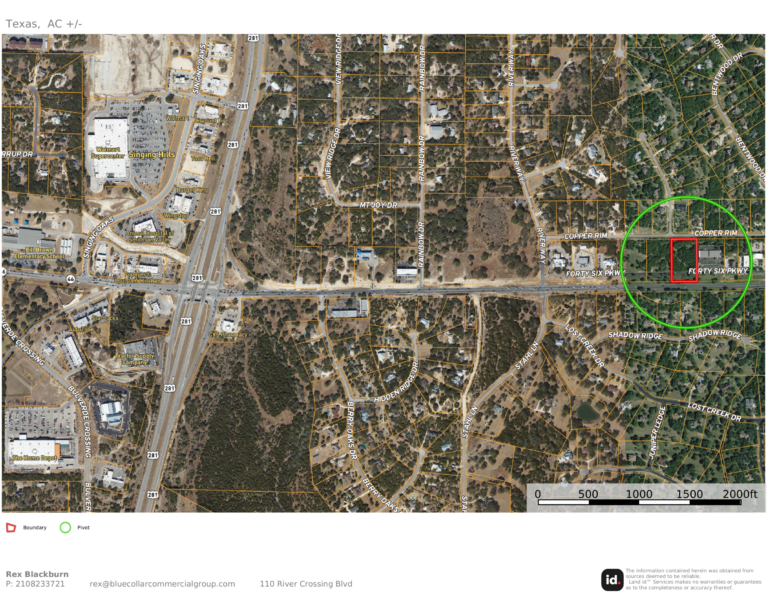
Asking price $595,000 · Closed April 2024
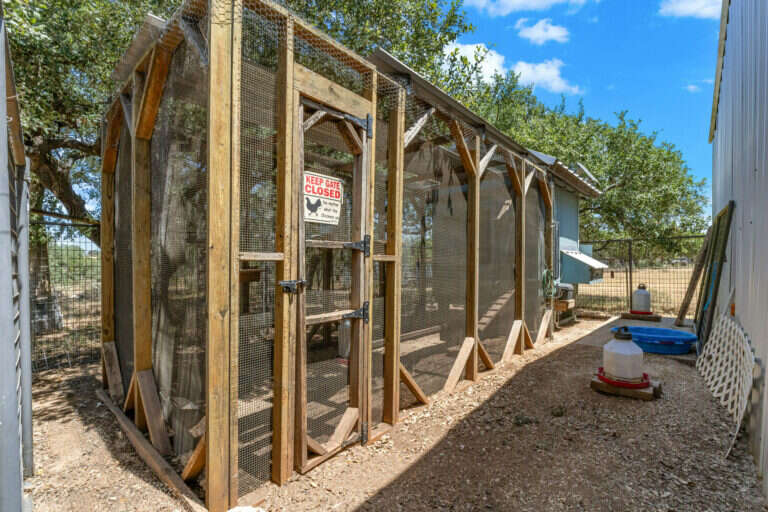
Asking price $1,095,000 · Closed April 2026
We also work these.
What is changing in Texas land, water and growth, explained for owners, not insiders.

TxDOT taking part of your Texas land? See what the state pays for, which losses it doesn't count, how the process runs, and when…

Selling a Texas shopping center? See how a careful buyer rebuilds your income, which fixes can pay off, and how to handle tenant estoppels…

Buying your first Texas shopping center? See how vacancy, taxes and loan terms can turn a 7.5% return into 5%, and what to check…

A 15-minute call. Tell him what you own or what you want to buy. He will tell you what he sees, good and bad. No cost, no pressure.
Talk to Rexor call 210-823-3721
We Are Ready To Help You In Making Smart Real Estate Decisions
Whether you have questions about commercial real estate, need advice on your next investment, or are ready to take the next step, we’re here to help. At Blue Collar Commercial Group of New Braunfels, we pride ourselves on providing personalized, expert guidance at every step. Fill out the contact form, and we’ll get back to you promptly to discuss how we can work together to achieve your goals. Let’s start the conversation today!
Local commercial real estate news and new listings, once a month.