
SoldIndustrial
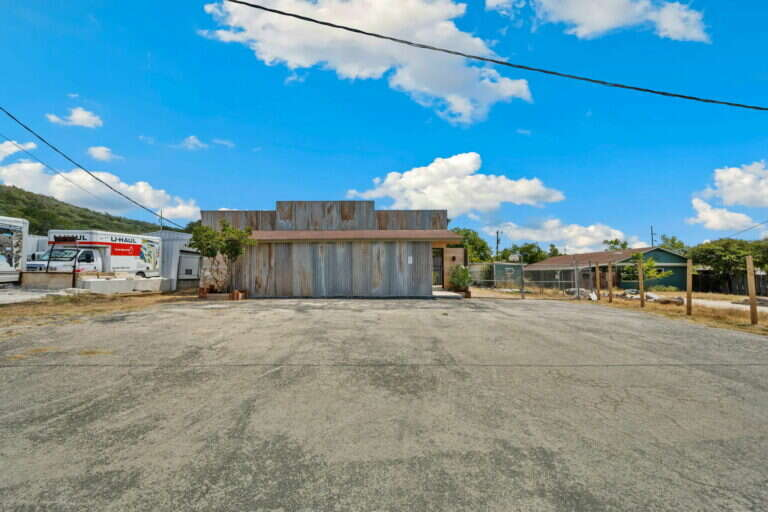
186 Julius Dr, Canyon Lake
Asking price $369,000 · Closed March 2025
Industrial for Tenants in San Antonio & New Braunfels Metro
Talk to Rex about industrialFinding warehouse or industrial space that fits your workflow means looking past clean paint to verify truck turnarounds, clear heights, and actual utility service. Whether your business is expanding inventory, establishing a regional depot, or rightsizing an existing yard, our team tracks spaces across New Braunfels, Schertz, and San Marcos before they hit public boards. We pull county utility plats, measure entry gates, and inspect electrical panels on-site so you never commit to a building that chokes your operation. Tell us how your freight and crew move, and we will identify spaces ready to handle your work.
The right industrial space is the one that fits the way goods and equipment actually move through an operation — clear height, docks, and utility supply before address. In our corridor along Interstate 35 and Highway 46, businesses regularly choose between multi-tenant flex parks, freestanding manufacturing plants, heavy equipment yards, and distribution warehouses. A lease structured around how your operation functions preserves working capital, whereas an ill-fitting building creates daily bottlenecks that no amount of cosmetic improvement can resolve.
Blue Collar Commercial Group approaches tenant representation from the concrete up. We review how your fleet enters from the public right-of-way, whether the grade-level doors clear your machinery, and if the electrical service accommodates future machinery installations. When businesses take on space for the first time or shift from residential-style facilities, we also evaluate total monthly operating exposure, helping you keep adequate cash in reserve after move-in rather than spending every dollar on initial setup.
Leasing industrial property gives operating businesses the agility to deploy balance sheet capital directly into payroll, inventory, and production machinery rather than tying it up in long-term commercial mortgages. A well-negotiated commercial lease allows you to secure strategic freight access, yard storage, and dock positions tailored to current contracts while preserving the freedom to relocate or expand as operational requirements shift across the region.
Securing the right building also comes with balance-sheet realities that require careful planning. Triple-net operating expenses, insurance adjustments, and facility maintenance obligations shift significant operational responsibility onto the tenant, meaning that total occupancy cost extends well beyond base rent.
Leasing avoids the heavy cash down payments required to purchase commercial property outright. Directing available liquid capital toward inventory, specialized field equipment, and skilled labor generates immediate operational velocity. That liquidity reserve keeps your business nimble when supply chain conditions or client demands fluctuate.
Lease structures allow businesses to adjust facility size as enterprise volume evolves over time. Securing options to expand into adjoining bays or contract footprint at renewal protects you from carrying unnecessary square footage. This flexibility keeps facility overhead in direct balance with real operational revenue.
Leasing positions your distribution team along high-capacity freight arteries like Interstate 35 without land-acquisition lead times. Facilities in established business parks offer pre-engineered truck aprons and permitted driveway cuts already built to handle tractor-trailers. Immediate occupancy gets your delivery routes running without municipal utility delays.
Negotiating tenant improvement allowances allows you to configure office suites, install specialized task lighting, and modify interior partitions using owner capital. Structuring these upgrades into the initial transaction minimizes immediate out-of-pocket setup costs. You get an operationally tailored workspace while keeping internal cash reserves intact.
Multi-year leases allow management to establish fixed occupancy projections that stabilize budgeting. Locking in base rate schedules over a defined duration shields your business from sudden real estate market swings. This cost predictability gives your executive team confidence when bidding on long-term client contracts.
Leasing places structural roof management, exterior foundation care, and primary building envelope preservation on the property owner. Your management staff avoids devoting time and resources to building capital replacements or long-term structural maintenance programs. That operational freedom keeps your team entirely focused on client delivery and business growth.
Finding and leasing industrial space involves technical hurdles that can disrupt operational efficiency if not identified early. Hidden zoning restrictions, undersized utility connections, and restrictive yard ordinances often catch operators by surprise after a contract is signed. Without verified field checks, an ostensibly functional building can demand extensive capital upgrades before your first truck arrives.
We walk candidate facilities with your specific equipment and fleet in mind, identifying physical and contractual bottlenecks before letters of intent are submitted. Our team reviews county easements, inspects service panels, and clarifies landlord maintenance responsibilities so your operation avoids expensive surprises.
Many warehouse facilities lack the three-phase power service required for modern manufacturing, heavy fabrication, or extensive refrigeration equipment. Upgrading utility transformers through local electric co-ops can trigger prolonged installation delays and substantial utility fees. We inspect electrical panels on site to verify available voltage and amperage before you commit.
Municipal development codes and park covenants frequently restrict outside storage of inventory, staging trailers, or fleet vehicle parking. Operating with unpermitted outdoor storage risks steep city fines, code citations, and lease defaults. We examine local zoning ordinances and municipal rules to ensure your yard use is fully compliant.
Listings often advertise freight access that fails to accommodate full-size tractor-trailers, resulting in tight turns and damaged gates. Inadequate maneuvering space causes freight bottlenecks and increases vehicle collision risks during daily deliveries. We physically evaluate gate widths, curb cuts, and apron depth to confirm your transport fleet can circulate safely.
Standard lease boilerplate often demands that tenants remove all custom buildouts, electrical conduits, and office fixtures upon vacating. These end-of-term obligations can impose unexpected decommissioning expenses when your business relocates or completes its lease. We negotiate specific carve-outs in the initial document so approved modifications remain in place without penalty.
Triple-net leases pass building insurance, property tax adjustments, and common maintenance costs directly through to the tenant. If an owner fails to cap controllable management fees, your monthly financial exposure can increase significantly over the lease term. We audit historical operating statements and negotiate annual expense caps to maintain cost control.
Industrial operations involving hydraulic fluids, wash bays, or chemical storage run serious exposure under broad lease indemnity provisions. Tenants can face liability for pre-existing soil contamination or drainage problems caused by previous building occupants. We insist on baseline environmental site assessments and tailored lease indemnities to shield your business from legacy contamination.
Evaluating an industrial building requires inspecting physical systems and contract language with equal rigor. Clear interior heights dictate your cubic pallet capacity, while door placements and slab load ratings determine what equipment can operate inside the bays. Missing a structural deficiency during tours can force your team into inefficient handling methods that permanently drag down productivity.
At Blue Collar Commercial Group, we inspect every industrial candidate through the lens of a daily operator. We check floor conditions, measure clearance beneath lighting fixtures and fire sprinkler heads, and clarify who pays when an air handling unit or roll-up spring fails. That practical diligence ensures the building supports your balance sheet and your physical work.
Vertical clearance directly determines how many tiers of pallet racking your operation can safely erect inside the footprint. Low-hanging structural beams, lighting conduits, or standard fire sprinkler heads can reduce usable cubic storage significantly. Evaluating interior vertical clearances ensures your inventory volume fits within the leased square footage.
Loading configurations must match the specific transport vehicles your suppliers and distribution teams deploy daily. Relying on grade-level doors when unloading full-size freight containers wastes valuable labor and risks equipment strain. Selecting a facility with appropriate dock-high levelers and drive-in ramps ensures efficient material transfer.
Heavy machinery, concentrated storage racks, and loaded forklifts require reinforced concrete slabs capable of carrying substantial point loads. Unreinforced or cracked foundations can fail under high-density racking, leading to structural damage and severe safety risks. Verifying slab specifications confirms your floor can handle heavy industrial equipment.
Securing dedicated yard acreage is critical for contractors, equipment rental companies, and regional logistics providers. Leases must clearly identify whether exterior staging space is exclusive, fenced, secured, and surfaced with asphalt, concrete, or compacted caliche. Clarifying yard rights protects your fleet and outdoor inventory from landlord disputes.
Market conditions can change, leaving your business with surplus warehouse bays or an urgent need to relocate operations. Retaining the right to sublease excess floor space or assign the agreement to a qualified buyer protects your operating cash. Having clear subleasing parameters ensures you are never trapped paying for unused square footage.
Warehouse office climate systems and warehouse ventilation units endure significant wear in Texas summer conditions. Standard agreements often force tenants to replace aging rooftop compressors even during short lease terms. Negotiating landlord warranty periods or dollar caps on equipment replacements limits your exposure to capital repairs.
First-time industrial tenants often exhaust their liquid capital on utility tap deposits, security deposits, and specialized tenant improvements. Maintaining a healthy cash cushion after signing ensures your business absorbs initial operational adjustments without financial strain. Balancing lease obligations against cash reserves protects ongoing company health.
Securing industrial space requires an orderly method that aligns your physical operations with sound legal and commercial terms. Moving into a commercial property without an established plan invites rushed decisions, missed structural flaws, and poor lease terms. Our advisory process keeps your business ahead of critical project deadlines from day one.
We coordinate each phase directly with your operational leadership, facility managers, and legal advisors. By tracking utility specs, testing access routes, and negotiating key concessions, we help you secure an industrial space built for long-term productivity.
We begin by analyzing your workflow, fleet profiles, electrical power demands, clear height requirements, and yard storage needs. Our team reviews your current operational bottlenecks to determine the precise square footage and loading configuration necessary. This detailed diagnostic phase establishes clear criteria before any search commences.
We aggregate all available on-market and off-market industrial properties across our regional network that meet your operational criteria. Our team screens each location against municipal zoning, freight access corridors, and utility service constraints. You receive a curated market report showing viable buildings with realistic pricing and availability.
We tour candidate facilities alongside your operational team to inspect physical systems and operational access in person. Our advisors measure door clearances, verify truck maneuvering space, inspect electrical panels, and assess slab conditions across each bay. This physical due diligence eliminates buildings with hidden operational limitations before offers are drafted.
We issue targeted proposals to property owners that leverage regional market comps to establish strong negotiation leverage. Our team aggressively negotiates base rental rates, tenant improvement allowances, operating expense protections, and renewal rights. We focus on securing lease terms that protect your capital and support operational flexibility.
We collaborate directly with your legal counsel to review the lease document against the agreed business terms. Our team focuses on clarifying maintenance boundaries, casualty terms, environmental indemnities, and end-of-lease building restoration obligations. This thorough review ensures that contractual liabilities align with your risk management standards.
Our commitment continues well beyond lease execution as you prepare for physical occupancy. We verify landlord punch-list completion, confirm base building systems are operating, and ensure utility transitions proceed without disruption. Throughout your lease tenure, our team remains your resource for renewals, expansions, and operational adjustments.
Commercial industrial spaces serve a broad spectrum of commercial enterprises, from trade contractors needing yard space to high-throughput regional distribution hubs. Each business model brings distinct operational priorities, requiring specialized building features and customized lease protections. Identifying your operating profile early ensures the search focuses exclusively on properties engineered to handle your work.
We guide business owners through site selection by evaluating their daily workflow, workforce commuting needs, and capital plans. Whether you are transitioning out of a residential shop or leasing multiple distribution facilities across the corridor, we tailor our advisory strategy to your specific business requirements.
Trade contractors, fabricators, and service companies stepping up from residential shops or self-storage units into formal industrial facilities. These operators require clear guidance on triple-net operating expenses, utility metering, and lease liability before committing capital. We help structure manageable agreements that keep post-closing liquidity safe while upgrading operational capability.
Distribution and freight businesses requiring quick access to Interstate 35, multiple dock-high loading positions, and deep truck courts. These tenants prioritize highway access, efficient circulation for full-size transport trailers, and reliable exterior trailer staging. We identify facilities that streamline delivery turnarounds and support demanding daily logistics schedules.
Makers, cabinet shops, and component fabricators needing robust three-phase power, compressed air routing, and dedicated floor drainage. These operators require specific ceiling heights, heavy-duty floor slabs, and adequate ventilation to maintain safe production standards. We locate properties equipped to support heavy machinery without requiring prohibitive electrical infrastructure upgrades.
Heavy machinery dealerships, drilling service outfits, and infrastructure contractors needing substantial secured yard space alongside service bays. These users depend on drive-in grade doors, wash racks, reinforced caliche or concrete yard surfacing, and secure perimeter fencing. We focus on properties with proper municipal outdoor storage permits and heavy vehicle access.
Established businesses restructuring their physical footprint to reduce excess overhead or combine scattered branch locations into a single centralized depot. These tenants need flexible lease terms, subleasing rights, and demising options to balance square footage against real inventory demand. We negotiate lease language that protects their balance sheets as operational needs shift.
Fast-paced fulfillment businesses requiring balanced warehouse racking footprints, parcel van dispatch bays, and modern administrative office space. These operations require high-capacity electrical service for conveyor systems, advanced fire suppression, and proximity to regional labor pools. We secure modern flex facilities engineered to handle continuous package handling and rapid parcel turnaround.
Entering into an industrial lease agreement involves substantial legal and financial commitments that impact your daily operating margins. Understanding how base rent interacts with operating pass-throughs, tenant improvement buildouts, and renewal clauses helps you negotiate from a position of strength. Review our direct answers to the common questions commercial tenants ask before signing.
We believe in straight answers backed by practical market experience. If your operational team is evaluating a specific facility requirement or working through lease language, our advisors are here to provide clear, actionable guidance.
Flex space incorporates a substantial office, showroom, or lab buildout paired with warehouse storage and grade-level drive-in doors, making it ideal for service contractors and customer-facing operations. Pure distribution warehouses prioritize high ceiling clearances, multiple dock-high loading positions, and deep truck courts designed strictly for moving palletized freight in volume. Choosing between them depends on whether your daily operations require customer office interaction or high-throughput freight logistics.
Most institutional and private industrial landlords prefer multi-year terms ranging across several years to justify vacancy turnover and upfront tenant improvement allowances. Shorter commitments may be negotiated in multi-tenant flex properties, though they often result in higher base rental rates and minimal landlord buildout contributions. Securing an extended initial term can provide rate stability and allow your business to amortize customized interior modifications over time.
In a triple-net lease, the tenant pays a base monthly rent plus an allocated share of property taxes, building insurance, and common area maintenance costs. Because taxes and insurance adjust periodically, your total monthly cash outlay can fluctuate from year to year. Negotiating audit rights and placing annual percentage caps on controllable common area maintenance fees protects your business from sudden operational cost spikes.
A tenant improvement allowance is a negotiated dollar contribution provided by the property owner to customize interior offices, install warehouse lighting, or add electrical drops. These funds are typically disbursed as reimbursements after approved work is completed, lien waivers are submitted, and local occupancy permits are issued. Tenants should budget sufficient initial cash reserves to cover construction milestones before landlord reimbursement checks are cleared.
Businesses should begin surveying candidate buildings several months before their target move-in date or existing lease expiration. Locating the right site, negotiating proposal terms, completing legal lease reviews, and securing municipal permits for custom buildouts requires adequate runway. Starting early provides essential negotiating leverage, preventing you from accepting unfavorable lease conditions under tight relocation deadlines.
You can sublease excess floor space only if your commercial agreement explicitly permits subletting and assignment with reasonable landlord consent. Standard leases frequently restrict subleasing or allow owners to recapture the space or claim all sublease profits. We ensure your lease includes flexible assignment and subletting provisions so you can offset overhead if your business contracts.
Responsibility for heating and cooling equipment varies significantly depending on whether the lease specifies tenant maintenance, shared coverage, or owner replacement. Many landlords require tenants to maintain quarterly preventive service contracts while placing total replacement costs on the occupant if a compressor fails. Negotiating replacement caps or requiring the owner to deliver mechanical systems in verified working order limits your exposure.
Confirming electrical service requires reviewing on-site transformer data and panel ratings with an electrician rather than relying on promotional marketing flyers. Upgrading a commercial service from single-phase to high-amperage three-phase power often requires costly utility engineering reviews and extensive schedule delays. Verifying panel amperage, voltage, and phase capacity during initial site tours prevents expensive operational delays down the road.
Each sale shows the asking price, and the closing date when we have it.
Asking price $369,000 · Closed March 2025
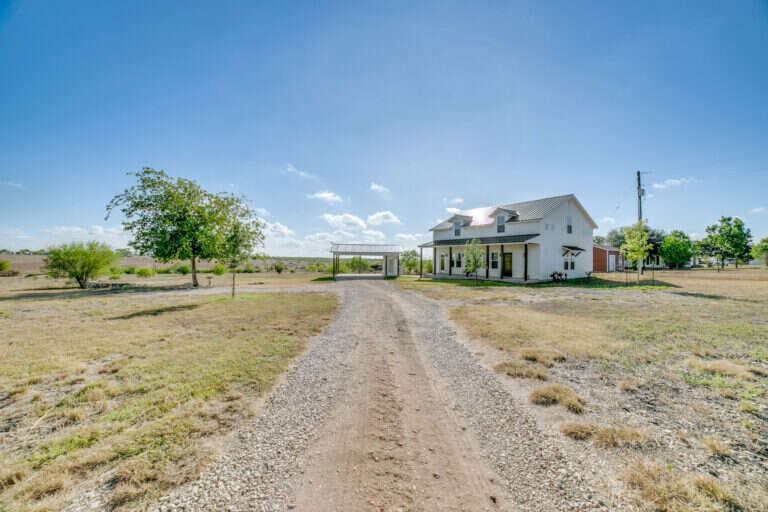
Asking price $899,000 · Closed July 2023
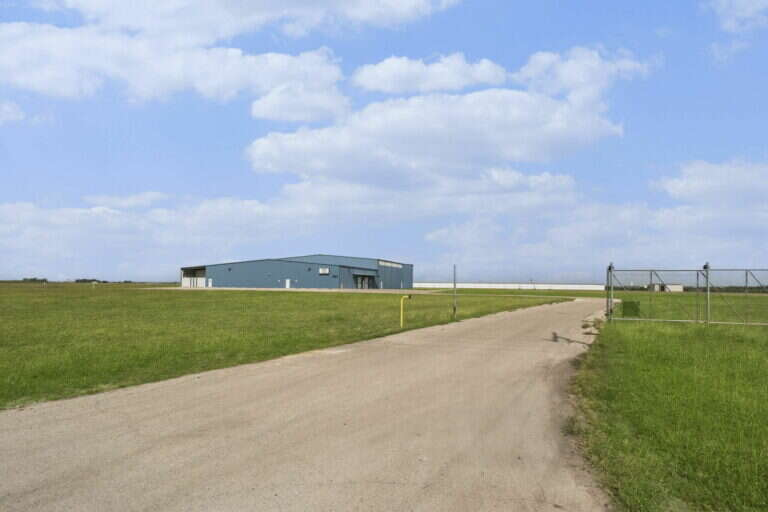
Asking price $2,000,000 · Closed September 2025
The market reports for this kind of property.
We also work these.
What is changing in Texas land, water and growth, explained for owners, not insiders.

TxDOT taking part of your Texas land? See what the state pays for, which losses it doesn't count, how the process runs, and when…

Selling a Texas shopping center? See how a careful buyer rebuilds your income, which fixes can pay off, and how to handle tenant estoppels…

Buying your first Texas shopping center? See how vacancy, taxes and loan terms can turn a 7.5% return into 5%, and what to check…

A 15-minute call. Tell him what you own or what you want to buy. He will tell you what he sees, good and bad. No cost, no pressure.
Talk to Rexor call 210-823-3721
We Are Ready To Help You In Making Smart Real Estate Decisions
Whether you have questions about commercial real estate, need advice on your next investment, or are ready to take the next step, we’re here to help. At Blue Collar Commercial Group of New Braunfels, we pride ourselves on providing personalized, expert guidance at every step. Fill out the contact form, and we’ll get back to you promptly to discuss how we can work together to achieve your goals. Let’s start the conversation today!
Local commercial real estate news and new listings, once a month.