
SoldIndustrial
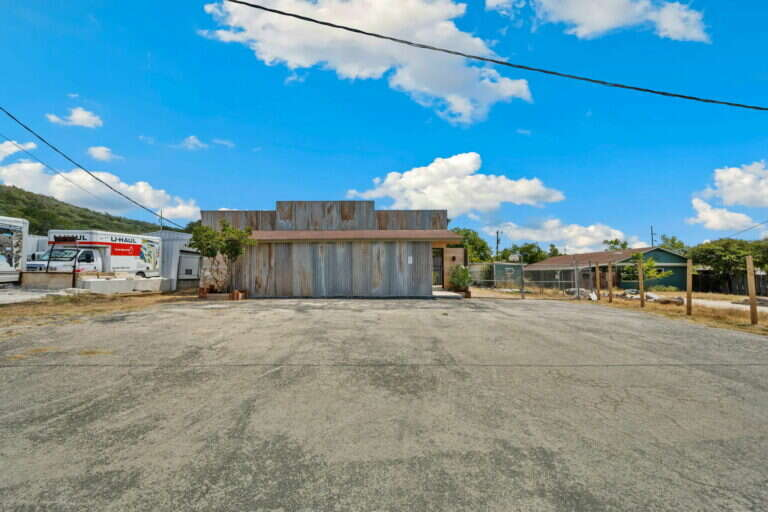
186 Julius Dr, Canyon Lake
Asking price $369,000 · Closed March 2025
Industrial for Sellers in San Antonio & New Braunfels Metro
Talk to Rex about industrialWhen you prepare to sell an industrial facility along the corridor between San Antonio and Austin, your exit value depends on utility capacity, yard depth, and physical access rather than cosmetic updates. We review your municipal utility records, verify site boundaries, and walk the truck court to establish what buyers will actually pay before placing your asset on the open market. Whether your building in New Braunfels, Schertz, or San Marcos is fully occupied or ready for an owner-user, our team packages your operational data to protect your position. Share your property details with us, and we will show you how local transaction records frame your disposition options.
Selling industrial property is an infrastructure-driven process that turns on clear height, usable yard area, power supply, and tenant credit rather than standard real estate marketing. Buyers evaluate whether a site functions for contemporary logistics, light assembly, warehouse distribution, or flex service operations before submitting an initial letter of intent. Understanding how these operational components influence underwriting allows an owner to enter the market with clarity regarding who will buy the property and why.
We inspect three-phase electrical panels, verify municipal water connections, and read in-place leases against property records before recommending an asking price. Across Comal County and neighboring submarkets, industrial transactions stall when physical constraints or unverified easements surface during inspections. By documenting ingress permits along major thoroughfares such as I-35 and Highway 46 before listing, we remove uncertainty that prospective purchasers use to discount value.
Disposing of an industrial facility enables an owner to harvest accumulated equity, resolve deferred capital requirements, or reposition capital into alternative investments. Institutional capital, private syndicators, and local trade operators actively seek industrial footprints that provide clear logistics utility, heavy power, and secure outdoor storage. Aligning your sale with demand from users seeking regional connectivity creates competitive bidding environments that favor ownership.
A successful disposition still requires balancing timing against local development trends and potential tax liabilities. While demand for functional acreage and warehouse space remains durable, new speculative construction can shift tenant expectations and cap rate thresholds in specific micro-markets. Owners must evaluate current carrying costs, roof and mechanical maintenance schedules, and replacement asset pricing before initiating an exit.
Industrial land and building values across the corridor reflect sustained corporate expansion and logistics demand. Selling allows ownership to unlock built-up equity that can be redirected into passive income structures or alternative business ventures. We evaluate recent comparable transactions to help you price the asset accurately rather than leaving capital on the closing table.
Industrial roofs, concrete truck courts, and mechanical systems require substantial capital reserves as structures age. Disposing of an older warehouse transfers imminent replacement costs and ongoing maintenance liabilities to a new capitalization structure. This strategy preserves net proceeds without eroding operating cash flows through unexpected facility repairs.
Selling an industrial building creates a pathway to enter a 1031 exchange into stabilized net-leased assets or larger development parcels. Owners can transition from active property management responsibilities into low-maintenance commercial holdings without triggering immediate tax events at closing. Our team coordinates transaction milestones directly with your qualified intermediary to protect statutory timelines.
Regional business operators frequently pay a premium over pure financial investors to secure direct operational control of their facilities. Vacant or soon-to-be-vacated industrial spaces appeal directly to contractors, suppliers, and fabricators seeking immediate occupancy. We market operational attributes directly to business principals who value location and functionality over simple rental yields.
Industrial properties held across multiple family members or investment partners often benefit from a clean, definitive liquidation. Converting physical brick, steel, and land into liquid capital simplifies estate distribution and prevents conflicting operational visions among co-owners. An arm's-length sale provides documented fair market value that satisfies accounting, legal, and fiduciary requirements.
Multi-tenant industrial parks and flex centers demand active lease administration, tenant reconciliation, and regular vendor oversight. Disposing of these properties allows seasoned owners to exit daily management friction and redeploy capital into single-tenant assets with simpler corporate structures. Eliminating property management friction delivers greater peace of mind alongside predictable income streams.
Industrial transactions present distinct technical hurdles that do not exist in standard commercial property sales. Environmental site histories, utility easements, drainage detention requirements, and unrecorded lease concessions can derail transactions weeks before scheduled closing dates. Sellers must anticipate how institutional underwriters and engineering consultants scrutinize operational infrastructure to avoid aggressive price renegotiations.
We address these vulnerabilities by conducting thorough pre-listing diligence on your property records, utility capacities, and operational authorizations. Pinpointing potential title encumbrances, access permits, or deferred mechanical maintenance early allows us to resolve issues quietly before a prospective buyer turns them into closing concessions.
Historical manufacturing, vehicle repair, or chemical storage uses can trigger environmental flags during a buyer's site assessment. Unresolved environmental questions often cause lenders to pause financing approvals or demand invasive soil sampling. We help sellers assemble historical permits, remediation records, and storage documentation to satisfy environmental consultants before inspections begin.
Prospective buyers frequently require verification of three-phase electric power, natural gas volume, and municipal water pressure before proceeding. Incomplete utility documentation can lead an interested party to assume costly upgrades are necessary, discounting their offer accordingly. We work directly with local utility providers to document confirmed service capacities prior to marketing.
Municipal ordinances often restrict outdoor storage, heavy truck staging, or specific fabrication uses within designated commercial corridors. If a buyer discovers municipal restrictions on their intended use during due diligence, they may terminate the purchase contract. We review municipal codes and non-conforming use protections upfront to target buyers whose operations comply with local rules.
Inconsistent lease documentation, verbal side agreements, and tardy tenant estoppel certificates can delay industrial closings indefinitely. Institutional buyers and commercial lenders require verified rent rolls and clean documentation of all operating expense recoveries. We audit in-place lease files in advance to ensure tenant obligations and security deposits match your financial records.
Facilities that lack sufficient turning radius for full-size tractor-trailers or proper driveway curb cuts face a smaller pool of qualified buyers. Purchasers may attempt to use difficult highway access or shared private easement roads to negotiate discounts. We document roadway access rights, Texas Department of Transportation driveway permits, and turning geometry to defend property pricing.
Properties containing specialized cranes, heavy foundations, or cold-storage components are difficult for bank appraisers to evaluate using generic comps. When an appraisal falls short of the contract price, deals can collapse without experienced guidance. We provide lenders with detailed structural specification packages and relevant market sales to support the agreed valuation.
Pricing an industrial asset accurately requires analyzing physical specs through the eyes of professional buyers and operational users. Clear interior heights, slab load capacities, dock door counts, and outdoor yard surfaces represent the structural baseline of an industrial facility’s market value. Properties that combine functional layouts with verified expansion room consistently command higher valuations and attract stronger buyer pools.
We examine every component of your property from foundation to perimeter fencing, identifying physical strengths that justify premium pricing. Highlighting functional features such as secured caliche yards, three-phase electric panels, and grade-level overhead doors ensures prospective purchasers recognize your asset’s total operational utility.
Clear height dictates vertical cubic storage capacity and determines whether modern logistics and manufacturing racking systems can operate efficiently. Facilities offering substantial clearance accommodate a broader spectrum of commercial tenants and owner-operators. We measure usable clearances from structural members to properly represent storage volume in our marketing packages.
Available amperage and three-phase electrical capacity serve as a critical screening criterion for fabrication shops, cold storage facilities, and modern warehouses. Upgrading commercial utility transformers can involve significant utility delays and capital expense for an incoming buyer. Documenting confirmed electrical capacity upfront attracts power-dependent operators willing to move quickly.
The ratio between dock-high positions and grade-level drive-in doors determines how efficiently goods move into and out of the warehouse. Modern distribution operations prioritize dock-high access with levelers, while equipment providers prefer oversized drive-in doors for flatbed access. We highlight your facility's loading versatility to capture attention from both user categories.
Adequate concrete or stabilized caliche staging areas allow tractor-trailers to maneuver, park, and unload without congesting public roadways. Tight turnarounds limit the types of transport carriers willing to service a building and can suppress investor appetite. We verify turning radii and trailer staging capacity to validate property utility for logistics operators.
Fenced, stabilized outdoor yard space has become an exceptionally scarce and valuable commodity across the corridor for fleet parking and equipment staging. Municipal restrictions on outside storage make properties with legal non-conforming or zoned yard space prime targets for industrial buyers. We emphasize your yard utility to secure pricing premiums reflecting regional scarcity.
For leased investment assets, the creditworthiness of your occupants and the presence of triple-net lease structures directly establish transaction pricing. Contracts that feature corporate guaranties, annual rent bumps, and full expense reimbursements command superior pricing in commercial markets. We audit lease abstracts to showcase net operating income durability to institutional capital.
Direct access to primary freight arteries like I-35 and Highway 46 reduces transport times between San Antonio and Austin distribution networks. Locations that avoid residential traffic choke points or restricted weight bridges maintain stronger operational appeal. We map transit connectivity and legal haul routes to demonstrate geographic distribution value to regional buyers.
A disciplined advisory approach turns complex industrial real estate into completed transactions that meet ownership timelines. We manage every phase of the disposition arc, from initial physical verification and asset positioning to contract negotiations and closing coordination. By systematizing due diligence preparation, our team protects your commercial interests while minimizing operational disruptions to your ongoing business.
Our process focuses on uncovering and resolving technical property questions before presenting the asset to qualified investors and owner-users. Working through clear financial modeling, verified utility capacities, and targeted marketing channels ensures your property transacts with maximum market exposure and minimal renegotiation risk.
We begin by sitting down to understand your business objectives, tax considerations, and operational timelines. We establish whether you require a leaseback period, an immediate capital liquidation, or a coordinated 1031 exchange closing. This initial review ensures our disposition strategy directly aligns with your personal and financial priorities.
Our team conducts a thorough site walk, inspecting structural components, power panels, truck courts, and utility access points. We cross-reference your property's physical specs against recent verified sales and active commercial competition across Comal, Guadalupe, and Hays counties. This operational analysis produces a defensible pricing model that reflects true market value.
Before launching marketing efforts, we assemble essential due diligence files including property surveys, environmental histories, utility letters, and lease summaries. Organizing documentation in advance removes the friction that typically slows transaction momentum during inspection periods. We resolve known title, boundary, or access ambiguities so incoming buyers receive a clean presentation.
We distribute your property specifications directly to our network of industrial operators, regional investors, and qualified exchange buyers. Every inquiring party is vetted for capital capacity and operational fit before receiving confidential property packages or private touring access. This selective outreach protects your business operations while exposing the asset to serious capital.
When purchase offers arrive, we compare terms across purchase price, earnest money deposits, inspection windows, and financing contingencies. We look beyond the headline price to evaluate closing probability and safeguard against re-trading tactics. Our team negotiates purchase contracts that preserve your net proceeds and enforce reasonable diligence milestones.
Throughout the inspection phase, we actively manage buyer communications, appraiser site visits, and title company documentation requirements. We monitor critical contingency dates and ensure survey, environmental, and financing reviews remain on schedule through final funding. Our oversight maintains transaction accountability until title transfers and proceeds disburse cleanly.
Every industrial property owner approaches a sale from a specific operational and financial perspective. Some clients seek to exit day-to-day property management duties, while others must liquidate company real estate to fund business expansion, relocation, or retirement. Tailoring the marketing narrative to match the distinct character of the asset ensures the transaction achieves ownership objectives.
We advise private individuals, regional business partnerships, and corporate operators throughout New Braunfels, Seguin, San Marcos, and neighboring communities. Our team knows how to position diverse property profiles, from standalone trade contractor facilities to multi-tenant light manufacturing complexes, ensuring optimal transaction terms.
Business owners who have outgrown their current warehouse or are consolidating operations benefit from a coordinated sale strategy. We structure marketing timelines that allow your business to relocate without incurring costly operational downtime. Our team targets trade operators seeking functional commercial facilities ready for immediate use.
Operating companies seeking to unlock capital trapped in their real estate while remaining in place can utilize a sale-leaseback structure. We assist business owners in structuring commercial lease terms that appeal to net-lease investors while protecting business operational rights. This transaction model provides non-dilutive liquidity to fund corporate growth or debt reduction.
Investors holding appreciated industrial warehouses frequently seek to exit high-management assets and transition into passive income properties. We coordinate sales timelines to align with strict statutory exchange identification deadlines. Our advisory team ensures your property reaches qualified buyers quickly so you can focus on replacement asset selection.
Owners selling an industrial facility for the first time often require hands-on guidance through complex commercial contracts and technical inspections. We demystify Phase I environmental reviews, lease estoppels, and commercial escrow procedures so you feel confident at every decision point. Our team ensures your unfamiliarity with institutional processes is never exploited by prospective buyers.
Partnerships dissolving commercial holdings or family estates distributing inherited assets require transparent, documented disposition procedures. We deliver independent valuation comps, clear accounting records, and regular transaction reporting to keep all stakeholders aligned. Our professional marketing process achieves verifiable fair market value for equitable distribution.
Owners of multi-tenant flex or light industrial parks who wish to step away from intensive tenant relations and rent collection duties find strong market interest. We package the in-place rent roll, expense recoveries, and renewal histories into institutional-grade financial summaries. This organized presentation attracts private equity buyers seeking immediate cash-flowing assets.
Selling an industrial asset involves technical, financial, and legal questions that require straight answers from experienced commercial advisors. Owners need to understand how local market pricing is determined, how environmental reviews function, and how to maintain operational confidentiality during marketing. Having clarity on these issues allows you to plan your disposition with total confidence.
We provide open, data-backed guidance on market conditions, buyer underwriting requirements, and closing timetables. If you have a specific question regarding your industrial facility in Comal County or the wider Hill Country region, review our responses below or connect with our team directly.
We evaluate your industrial property through a combination of verified local sales comps, income capitalization modeling, and physical replacement cost analysis. Beyond basic square footage, we adjust valuation based on functional metrics such as clear height, usable yard acreage, loading configuration, and three-phase power capacity. A complete review of municipal zoning, utility availability, and in-place lease terms confirms where your asset sits relative to active market inventory.
The timeline to sell an industrial property generally spans several months from initial listing launch through due diligence and legal funding. The due diligence period typically requires extended review windows to allow commercial buyers to complete environmental assessments, boundary surveys, and lender underwriting. We shorten these timeframes significantly by assembling comprehensive diligence packets, title commitments, and utility documentation before taking the property to market.
Selling an industrial building centers primarily on physical engineering specs and functional utility, whereas retail sales hinge heavily on consumer foot traffic, anchor cotenancy, and street-level visibility. Industrial buyers prioritize clear ceiling heights, truck turning radius, and three-phase power over cosmetic appearance or daily traffic counts. Furthermore, industrial transactions place far greater emphasis on Phase I environmental reviews due to historical storage or assembly activities on the dirt.
Yes, we routinely conduct confidential disposition campaigns that safeguard proprietary business operations and maintain tenant stability. We market properties using blind profile teasers that describe facility specifications, general geographic submarkets, and financial returns without disclosing your building address or business identity. Prospective purchasers must execute formal non-disclosure agreements and undergo capital qualification before receiving detailed offering memorandums or touring the site.
A Phase I Environmental Site Assessment is a standard historical and physical review conducted by an environmental consultant to evaluate whether hazardous substances have affected the property’s soil or groundwater. Almost every commercial lender financing an industrial acquisition requires a clean Phase I report prior to loan approval. We help sellers review past property use records and existing environmental documentation early to resolve potential concerns before a buyer’s consultant steps on site.
Yes, owners can continue company operations through a structured sale-leaseback transaction negotiated as part of the initial purchase agreement. In this arrangement, you sell the real estate to an investor while simultaneously signing a commercial lease to remain in the building as an active tenant. This structure allows you to monetize built-up equity to invest back into your core business while maintaining operational continuity.
A 1031 exchange allows a property owner to defer capital gains taxes and depreciation recapture by reinvesting the net proceeds from a commercial sale into like-kind replacement properties. The transaction is governed by strict statutory deadlines that begin the day your sale funds, requiring a qualified intermediary to hold proceeds prior to closing. We recommend reviewing your specific tax posture with a qualified tax advisor or CPA before contract execution to establish whether an exchange fits your investment goals.
You should assemble your existing land survey, title policy, building architectural or structural plans, utility service statements, and property tax statements. If the property houses tenants, gather current lease agreements, amendments, and historical operating expense reconciliations. Having these materials ready allows us to address buyer questions immediately and avoids closing delays during the escrow period.
Each sale shows the asking price, and the closing date when we have it.
Asking price $369,000 · Closed March 2025
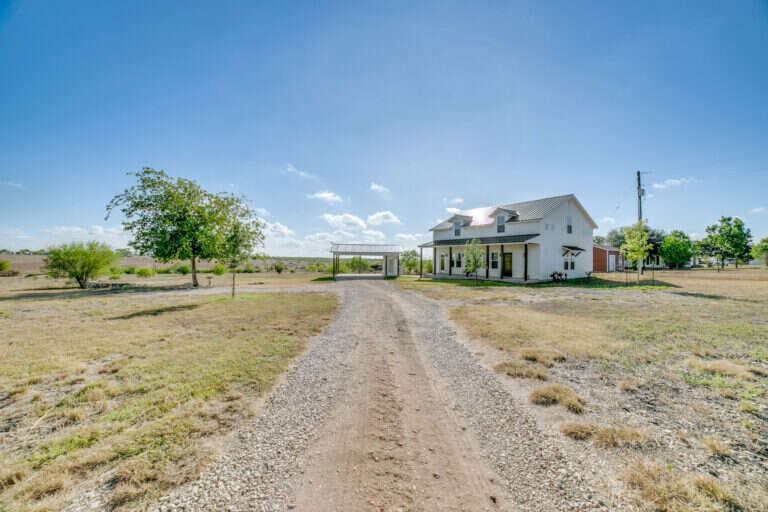
Asking price $899,000 · Closed July 2023
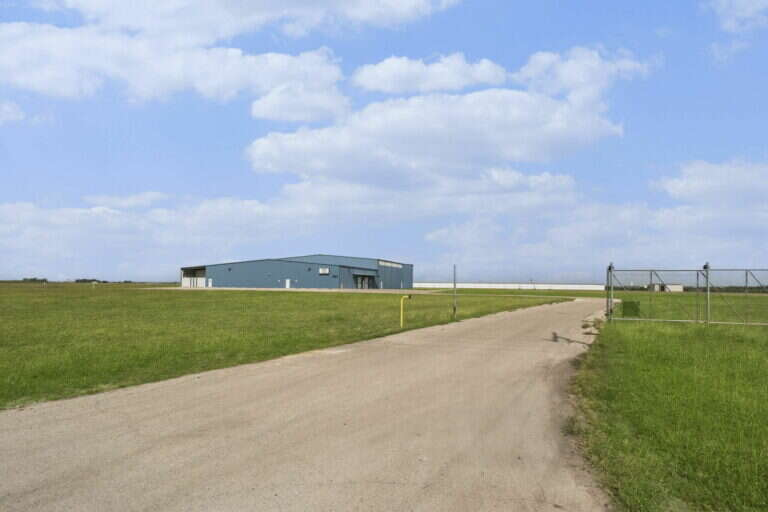
Asking price $2,000,000 · Closed September 2025
The market reports for this kind of property.
We also work these.
What is changing in Texas land, water and growth, explained for owners, not insiders.

TxDOT taking part of your Texas land? See what the state pays for, which losses it doesn't count, how the process runs, and when…
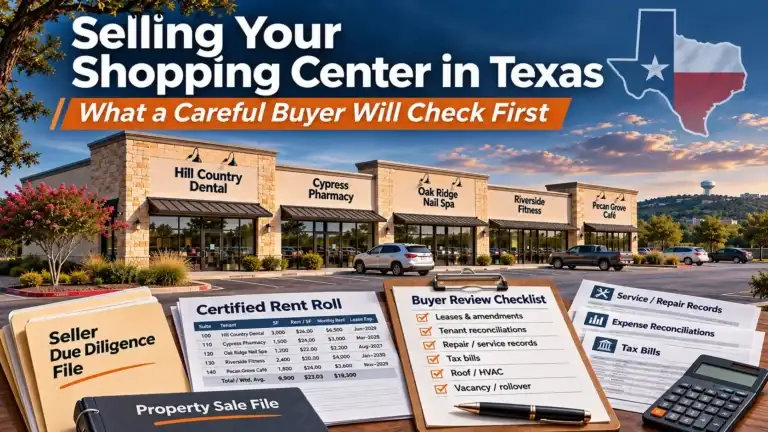
Selling a Texas shopping center? See how a careful buyer rebuilds your income, which fixes can pay off, and how to handle tenant estoppels…

Buying your first Texas shopping center? See how vacancy, taxes and loan terms can turn a 7.5% return into 5%, and what to check…

A 15-minute call. Tell him what you own or what you want to buy. He will tell you what he sees, good and bad. No cost, no pressure.
Talk to Rexor call 210-823-3721
We Are Ready To Help You In Making Smart Real Estate Decisions
Whether you have questions about commercial real estate, need advice on your next investment, or are ready to take the next step, we’re here to help. At Blue Collar Commercial Group of New Braunfels, we pride ourselves on providing personalized, expert guidance at every step. Fill out the contact form, and we’ll get back to you promptly to discuss how we can work together to achieve your goals. Let’s start the conversation today!
Local commercial real estate news and new listings, once a month.