
SoldHospitality
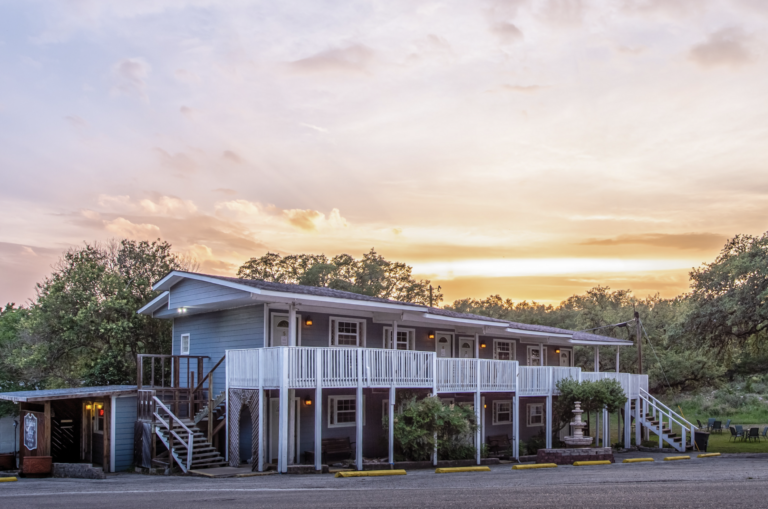
537 Skyline Dr, Canyon Lake
Asking price $1,150,000 · Closed November 2024
Hospitality for Tenants in San Antonio & New Braunfels Metro
Talk to Rex about hospitalitySecuring restaurant or hospitality space inside a lodging property or retail corridor across New Braunfels, Boerne, and Fredericksburg requires evaluating guest foot traffic, kitchen utility capacity, and underlying lease terms before you sign. We pull grease-trap records, inspect kitchen water lines, and review hotel operating covenants so you know what the location actually delivers. Tell us what your concept requires, and we will identify spaces that support your operational standards.
A hospitality lease generally succeeds when customer traffic patterns, utility infrastructure, and operating covenants align with the tenant’s daily service volume. In-asset hospitality leases—such as full-service restaurants, boutique cocktail lounges, hotel spas, and retail storefronts embedded in lodging properties—rely heavily on guest room occupancy, corporate room blocks, and event schedules to sustain baseline sales. Evaluating these spaces requires looking past lobby finishes to examine kitchen exhaust hoods, dedicated delivery access, utility sub-meters, and parking allocations.
Our team at Blue Collar Commercial Group evaluates the operational friction points that affect daily profitability. When leasing inside a resort, hotel, or entertainment venue, you must verify how shared operating expenses are billed, whether the host property provides in-house dining options that compete with your menu, and how mandatory operating hours fit your labor model. We review the physical systems on-site and reconcile lease covenants against municipal requirements across Comal County and the surrounding Hill Country corridor before our clients sign letters of intent.
Leasing in-asset space within hotels, resorts, and commercial hospitality hubs offers distinct commercial advantages for food and beverage operators, wellness providers, and specialty retailers. A well-selected host property provides an immediate base of captive customers who prioritize on-site dining and personal services during their stay. This captive audience reduces the initial customer acquisition spend that stand-alone suburban retail spaces typically demand.
While built-in patron traffic supports baseline cash flow, hospitality operators must balance seasonal room occupancy swings against steady fixed overhead. Selecting the right space requires analyzing how banquet operations, local drive-in traffic, and weekend visitor surges interact with your business model throughout the entire calendar year.
Operating inside a lodging asset gives food and service concepts immediate access to guests staying on the premises. Business travelers, leisure vacationers, and wedding blocks generate recurring floor traffic directly outside your entrance. This built-in patronage creates immediate foot traffic from opening day without relying entirely on local street visibility.
In-asset tenants can partner with hotel sales teams to cater private banquets, corporate meetings, and weekend social gatherings. These event partnerships provide predictable catering and retail volume that supplements standard walk-in covers. Tying into the master venue's master booking calendar helps operators forecast staffing and food inventory weeks in advance.
Hospitality venues frequently provide heavy infrastructure that stand-alone strip retail spaces lack, including commercial grease interceptors, loading docks, and shared trash compactors. Using centralized receiving bays and commercial trash facilities reduces direct capital expense during initial build-out. These shared back-of-house assets allow the tenant to dedicate more interior square footage to customer-facing service area.
Prominent Hill Country resorts and boutique hotels secure high-profile positions along primary transportation routes like the Highway 46 corridor and regional thoroughfares. Placing your brand within a recognized destination property elevates consumer perception and draws local residents alongside overnight travelers. A distinguished physical setting reinforces your brand positioning across the broader regional trade area.
Many hospitality landlords structure agreements using modest base rent paired with percentage rent calculated on gross food and beverage or retail receipts. This variable rent structure helps align landlord rental income with the operator's seasonal revenue cycles. During slower mid-week periods, lower fixed occupancy costs protect operating cash reserves.
Hospitality leasing presents complex legal, operational, and financial hurdles that standard retail or office leases never encounter. Operators must coordinate service schedules, trash handling, noise containment, and delivery timing with hotel management and surrounding property owners. Overlooking these practical requirements during preliminary lease negotiations can restrict your daily operations or lead to costly facility retrofits after opening.
We assist tenants in identifying these operational restrictions early during space evaluation. Blue Collar Commercial Group reviews lease drafts to protect your service autonomy, prevent unfair common-area cost pass-throughs, and secure exclusive operating rights within the host property.
Lodging properties often mandate that on-site restaurants maintain continuous meal services matching hotel brand standards, such as mandatory breakfast service or seven-day room service. Fulfilling these brand standards can inflate kitchen labor costs during low-traffic periods. Negotiating precise operating windows in the master lease protects your payroll from unprofitable service requirements.
Without clear protective covenants, a host property might introduce lobby coffee kiosks, poolside bars, or temporary catering services that compete with your menu. Vague exclusivity clauses leave room for property managers to erode your food or beverage sales. Securing strict, defined exclusive-use protections preserves your exclusive right to sell specific products on the real estate.
Master properties typically bill commercial tenants for shared utilities, guest parking maintenance, valet services, and common-area cooling. Without sub-metering and clear audit rights, you could pay for central boiler loads or laundry services that your operation does not utilize. Demanding dedicated utility meters and defined expense caps protects your monthly operating budget.
Tourist corridors experience distinct peak seasons and quieter winter troughs that dramatically shift weekly gross receipts. When leases calculate percentage rent thresholds on a strict monthly basis rather than an annualized schedule, an operator can overpay rent following a single holiday rush. Structuring natural percentage rent breaks against annualized revenue cushions your bottom line during off-season periods.
Second-generation hospitality spaces often contain exhausted grease traps, outdated fire-suppression hoods, and undersized electrical panels. Inheriting aging mechanical systems without landlord commitments can force hundreds of hours into unplanned utility work. Verifying mechanical condition and securing landlord delivery obligations prevents sudden build-out budget overruns.
Touring potential restaurant, bar, or specialty hospitality space requires evaluating both customer-facing appeal and back-of-house utility capacity. A room layout that looks appealing from the entrance can become an operational headache if kitchen access paths cross guest corridors or if plumbing stub-outs cannot support commercial dishwashers. Thorough physical inspections confirm that a building can support your equipment without major structural modifications.
Beyond physical utilities, examine how the property’s governing agreements treat grease disposal, trash paths, and guest access. Blue Collar Commercial Group walks each property to inspect water hookups, verify grease trap locations, and review common-area access rights across our core Hill Country submarkets.
Installing commercial exhaust ductwork through multi-story buildings requires substantial capital and specialized structural engineering. Confirming in-place Type 1 hood capability, exterior roof penetrations, and adequate grease-interceptor capacity saves significant time and tenant improvement dollars. Verifying these installations early confirms whether heavy cooking equipment can operate in the space.
High-volume hospitality operations require heavy water service for commercial dishwashers, ice machines, beverage lines, and customer restrooms. In regional markets throughout Comal and Hays counties, municipal water tap availability and line sizes dictate kitchen capacity. Checking pipe diameters, water pressure, and local connection permits confirms the location can support your service volume.
Smooth operations require food deliveries, beverage barrels, and waste hauling to move without disrupting arriving guests. Spaces must have direct access to loading docks, service elevators, and dedicated delivery corridors. Separate service pathways keep your logistics efficient while maintaining a clean, upscale experience for dining and retail guests.
Local guests will not patronize an on-site restaurant or spa if guest parking is monopolized by overnight hotel occupants. Leases must clearly define dedicated self-parking stalls, validated parking terms, or valet service agreements for your dining patrons. Establishing clear parking rights ensures drive-in local customers can access your establishment without friction.
Commercial kitchens generate substantial heat loads that can overwhelm standard commercial building HVAC systems. Verifying that the space has independent air conditioning zones and dedicated electric and gas meters prevents cross-subsidizing the building's central mechanical plant. Dedicated controls allow you to regulate kitchen and dining temperatures according to your service schedule.
Alcohol beverage service requires compliance with municipal zoning classifications and state liquor authority distance buffers from schools and places of worship. Operating within a hotel property can simplify or complicate licensing depending on master permit structures and local county rules. Verifying licensing parameters before executing a lease avoids costly operational shutdowns.
Securing a premier hospitality location requires disciplined site evaluation, detailed utility analysis, and firm lease negotiations. From defining your seating capacity and kitchen equipment footprint to opening day, Blue Collar Commercial Group advocates for your commercial interests at every phase. We focus on physical site realities rather than broker sales talk to ensure your space performs as planned.
Our advisory process aligns space selection with your long-term business goals. We evaluate every potential site against municipal codes, utility infrastructure, and competitive market positioning across the San Antonio-Austin growth corridor so you can open on schedule with favorable lease terms.
We begin by auditing your concept's operational model, kitchen layout, target square footage, and necessary electrical and plumbing specifications. This initial assessment establishes your physical infrastructure thresholds, guest seating ratios, and delivery requirements. Clarifying these baseline metrics early prevents wasted time on properties that cannot physically support your equipment.
Our team scans available hospitality inventory across New Braunfels, Seguin, San Marcos, and surrounding Hill Country submarkets for matching spaces. We cross-reference municipal utility data, local visitor patterns, and property records to identify viable opportunities both on and off the market. You receive a curated market report detailing realistic occupancy costs, parking access, and site availability.
We walk candidate properties together, inspecting grease traps, utility hookups, trash access, and guest pathways directly on the ground. Our team examines existing mechanical systems, building envelope conditions, and service access alongside you to verify landlord representations. This physical walkthrough confirms whether a property can support your operational requirements before submitting paperwork.
We draft and submit comprehensive letters of intent that establish clear base rent schedules, tenant improvement allowances, and exclusive-use covenants. Our team aggressively negotiates percentage rent thresholds, utility allocation methods, and renewal options to protect your financial interests. We push for contractual terms that give you maximum operating flexibility and minimize upfront build-out capital.
We work alongside your legal counsel to review every operational clause, default provision, and maintenance responsibility in the landlord's draft lease. Our team verifies that negotiated LOI terms carry into the final lease document, particularly surrounding common-area billing, operating hours, and equipment ownership. This disciplined review protects your rights before binding contracts are executed.
Our representation continues through space delivery, tenant improvement build-out, and initial municipal permitting. We confirm the landlord meets agreed delivery conditions, punch-list completions, and utility connections before you take physical possession. As your doors open, we remain a local resource for future lease renewals, expansions, or operational space adjustments.
We work with independent and regional hospitality operators seeking functional, high-visibility commercial space throughout Comal County and the Texas Hill Country. Whether you are opening a signature farm-to-table dining room, establishing an in-hotel wellness spa, or opening a boutique retail shop, we identify properties that match your specific operational profile.
Our tenant representation practice is tailored to operators who value physical due diligence and unvarnished market feedback. We help you evaluate lease terms, manage build-out requirements, and negotiate favorable concessions across the San Antonio-Austin corridor.
Entrepreneurs transitioning from mobile food concepts, pop-up kitchens, or shared commissaries into their first brick-and-mortar commercial lease need clear guidance. We explain true occupancy costs, personal guaranty structures, and mechanical requirements so you avoid expensive pitfalls. Our advisory helps first-time tenants navigate complex lease language and negotiate essential landlord improvement allowances.
Multi-unit operators looking to open new locations along the I-35 and Highway 46 corridors need prime frontage and robust utility capacity. We analyze submarket dining traffic, inspect grease interceptors, and negotiate consistent lease terms across multiple regional sites. Our market intelligence helps established concepts secure second-generation spaces with functional kitchen infrastructure.
Service businesses seeking to lease dedicated spa, salon, or wellness facilities inside boutique hotels and destination resorts require tailored agreements. We negotiate client parking allocations, hotel guest cross-billing rights, and shared facility expenses to ensure profitable co-tenancy. Our team protects your service independence while building strong co-existence terms with the host property.
Breweries, wineries, and craft distilleries expanding distribution with customer-facing tasting rooms require unique zoning, outdoor patio space, and heavy wastewater capability. We review local municipal utility capacities, outdoor seating allowances, and alcohol licensing requirements to confirm site viability. We ensure the property can handle high-volume visitor crowds during peak weekend periods.
Operators seeking to reduce overall square footage, shift away from oversized dining rooms, or sublease unneeded back-of-house storage space require strategic lease flexibility. We negotiate lease surrender rights, space carve-outs, or sublease permissions to bring occupancy costs in line with actual operational needs. Our team helps you transition into efficient layouts that prioritize core revenue-generating areas.
Leasing commercial hospitality space involves unique legal provisions, physical requirements, and financial commitments that standard retail leases do not address. Below are practical answers to common questions hospitality operators ask before negotiating letters of intent and signing lease agreements across our local market.
We provide straightforward answers based on our practical deal experience in New Braunfels and the Texas Hill Country. If you have questions about specific properties or unique lease covenants, reach out to our team directly.
In-asset hospitality space provides immediate access to captive overnight hotel guests, shared utility systems, and potential cross-catering revenue, but it also comes with host property operational rules. Stand-alone commercial restaurant buildings give the tenant complete control over operating hours, exterior signage, and property access, but require the operator to generate all customer traffic independently. In-hotel leases typically require strict alignment with master lodging standards, shared common-area expense contributions, and coordination with hotel management.
Percentage rent is a lease provision where the tenant pays a base monthly rent plus a negotiated percentage of gross sales exceeding a specified breakpoint. In hospitality leases, this breakpoint is often structured as a natural breakpoint, calculated by dividing the annual base rent by the agreed percentage rate. Operators should ensure percentage rent calculations exclude employee meal discounts, sales taxes, and tips, and seek an annualized reconciliation rather than monthly compounding to soften off-season revenue swings.
Responsibility for commercial kitchen improvements depends heavily on space condition and lease negotiations between landlord and tenant. Landlords often provide a cash tenant improvement allowance or perform foundational shell work, such as cutting concrete slabs and installing main grease interceptors. The tenant generally covers specialized cooking equipment, custom dining furnishings, and interior kitchen finishes, though experienced brokers can negotiate substantial landlord allowances to offset these heavy startup expenses.
A hotel landlord can only enforce operational standards, meal service windows, and menu parameters that are explicitly agreed to in the executed lease document. Master leases frequently attempt to require tenants to provide daily breakfast service or match hotel room-service availability. Tenants must negotiate precise, limited mandatory service hours during the letter of intent phase to prevent being obligated to run unprofitable meal shifts that strain kitchen payroll.
Shared costs in hospitality properties often include common-area cleaning, shared parking lot lighting, valet operations, and central mechanical upkeep. Instead of accepting an arbitrary percentage allocation of the entire property’s budget, tenants should insist that operating costs are tied only to commercial areas they use. Demanding sub-metered utilities, explicit expense caps, and regular audit rights protects operators from subsidizing hotel guest services.
The timeline from initial property identification to opening day typically spans multiple months, depending on space delivery condition and municipal permit requirements. A second-generation restaurant space with intact health and fire systems can open relatively quickly, whereas a raw shell requiring new plumbing lines, hood installations, and grease traps requires extended planning and construction. Securing municipal health permits, water tap connections, and alcohol licenses represents a major component of this operational schedule.
Lease agreements must explicitly distinguish between tenant-owned trade fixtures and landlord-owned building improvements. Movable kitchen items such as ranges, prep tables, POS systems, and refrigeration units generally remain tenant property provided the tenant is not in default. Heavy attached infrastructure like walk-in coolers, exhaust hoods, and grease interceptors often become landlord property upon lease termination, making it essential to clarify ownership terms up front.
Qualified leasehold improvements and certain hospitality equipment can qualify for accelerated tax depreciation under federal tax regulations. Whether the tenant or landlord claims these deductions depends largely on who pays for the improvements and how the tenant improvement allowance is structured contractually. Because specific deductions depend on business entity structure and asset classification, your CPA can confirm the specifics for your position.
Each sale shows the asking price, and the closing date when we have it.
Asking price $1,150,000 · Closed November 2024
We also work these.
What is changing in Texas land, water and growth, explained for owners, not insiders.

TxDOT taking part of your Texas land? See what the state pays for, which losses it doesn't count, how the process runs, and when…

Selling a Texas shopping center? See how a careful buyer rebuilds your income, which fixes can pay off, and how to handle tenant estoppels…

Buying your first Texas shopping center? See how vacancy, taxes and loan terms can turn a 7.5% return into 5%, and what to check…

A 15-minute call. Tell him what you own or what you want to buy. He will tell you what he sees, good and bad. No cost, no pressure.
Talk to Rexor call 210-823-3721
We Are Ready To Help You In Making Smart Real Estate Decisions
Whether you have questions about commercial real estate, need advice on your next investment, or are ready to take the next step, we’re here to help. At Blue Collar Commercial Group of New Braunfels, we pride ourselves on providing personalized, expert guidance at every step. Fill out the contact form, and we’ll get back to you promptly to discuss how we can work together to achieve your goals. Let’s start the conversation today!
Local commercial real estate news and new listings, once a month.