
SoldHospitality
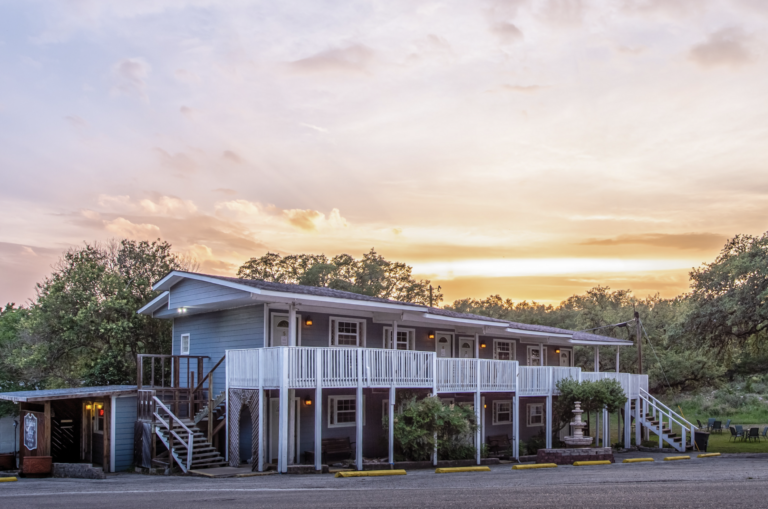
537 Skyline Dr, Canyon Lake
Asking price $1,150,000 · Closed November 2024
Hospitality for Sellers in San Antonio & New Braunfels Metro
Talk to Rex about hospitalityWhen you prepare to sell a lodging property along the corridor between San Antonio and Austin, you need a buyer pool that understands both operating statements and commercial acreage. Leigh Neves and our team at Blue Collar Commercial Group evaluate room revenue trends, commercial utility capacities, and physical plant deferred maintenance across New Braunfels, Boerne, and Fredericksburg to defend your valuation. We separate your business goodwill from the physical dirt so buyers see exact earnings potential without disrupting day-to-day guest reservations. Connect with our team to review your asset and map out a quiet disposition timeline.
Selling a hospitality property is a business-and-real-estate transaction where historical room revenue, capital improvement requirements, and operating expense margins determine true market value. Lodging assets do not trade like standard commercial buildings with multi-year tenant leases; their revenue is earned night by night and subject to operational seasonality, local event travel, and guest service reviews. Bringing a boutique inn, highway motel, or Hill Country guest resort to market requires organizing years of profit-and-loss documentation, occupancy figures, and franchise or licensing agreements before approaching qualified buyers.
We walk the mechanical systems, inspect commercial septic and municipal water connections, and audit utility capacities before setting an asking price. When owners market a property without verifying local municipal restrictions or utility allotments along Highway 46 or the Interstate 35 corridor, buyers use those uncertainties to discount their initial offers during contract negotiations. Our role is to identify every operational constraint ahead of time, package your historical cash flow accurately, and protect your staff and bookings through strictly confidential buyer vetting.
Hospitality properties require continuous operational management, regular capital reinvestment, and active vendor coordination that can prompt owners to seek a clean exit. Shifting equity out of an active daily service business into passive net-leased assets or diversified land holdings allows owners to reduce daily operational liability while preserving principal capital. When local tourism demand peaks or regional infrastructure expands, existing operators often find that private capital groups and regional owner-operators are actively seeking established lodging sites.
Disposing of a hospitality asset also involves real financial considerations, including mandatory property improvement plans from brand franchisors, rising commercial utility costs, and capital expenditures on mechanical units that can outpace room rate adjustments. Deciding to sell allows an owner to monetize built equity rather than funding another cycle of room renovations, commercial kitchen upgrades, or roof replacements.
Managing a lodging asset demands daily staffing oversight, guest service coordination, and ongoing facility maintenance. Many independent hotel and motel owners choose to sell in order to complete a tax-deferred exchange into single-tenant net-lease assets or commercial ground leases. Shifting equity into passive property types eliminates daily management labor while maintaining steady rental cash flow. That reallocation enables owners to protect their balance sheet without carrying the payroll and operational risks inherent to hospitality real estate.
Travel corridors connecting San Antonio and Austin draw steady weekend and seasonal visitors toward river recreation, wine tourism, and regional cultural events. This sustained visitor traffic creates strong transaction demand from regional hospitality groups looking to expand their regional footprints into Comal and Gillespie counties. Selling during periods of strong regional destination interest helps an owner command premium pricing from well-funded buyer groups. Aligning your exit with regional tourism visibility maximizes competition among active buyers.
Franchised hotels and flagged lodging properties face periodic brand-mandated renovations that require substantial capital outlays for guest rooms, public lobbies, and exterior facades. Unflagged boutique properties face similar market-driven pressures to modernize plumbing fixtures, air conditioning systems, and guest technology. Selling before entering a major required renovation cycle transfers the capital expenditure burden and execution downtime to the incoming purchaser. That timing decision prevents unrecoverable cash outlays that might not yield an equivalent increase in daily room rates.
Hospitality businesses frequently involve multiple partners, family members, or passive financial backers who develop differing long-term goals over time. A structured property sale establishes clear market value and liquidates equity cleanly, enabling partners to separate business interests without dispute. Commercial real estate sales also provide liquid proceeds for estate settlement and generational asset distribution. Executing a sale on an established schedule ensures all equity holders receive fair distribution rather than forcing an unplanned liquidation later.
Many older Hill Country lodging properties sit on oversized parcels with highway frontage, excess parking, or undeveloped acreage. Disposing of the property allows the seller to capture value for that unbuilt commercial land alongside the operating lodge. Regional developers frequently purchase these assets to add complementary retail, restaurant pads, or event venues to the existing lodging footprint. Highlighting this expansion upside enables sellers to price the asset on total commercial capability rather than past room earnings alone.
Selling an active lodging property presents complications that never occur in vacant industrial buildings or multi-tenant retail strips. The transaction must remain confidential to protect forward room bookings, retain front-desk and housekeeping personnel, and preserve local supplier arrangements. If word circulates that an inn or motel is for sale, event planners and corporate groups frequently redirect future group reservations to competing properties, harming the trailing financial performance needed to justify the purchase price.
We structure confidential marketing protocols that require signed non-disclosure documentation and balance-sheet vetting before releasing operating books or identifying property details. We also coordinate on-site buyer inspections during low-occupancy windows or mid-week turnover periods so guest comfort and daily routines remain completely undisturbed throughout the transaction cycle.
Public knowledge of a pending hotel sale can destabilize operational staff and cause wedding parties or corporate retreats to cancel future reservations. We guard your operational goodwill by using blind marketing profiles that describe property metrics, asset class, and submarket attributes without disclosing name or street address. Qualified buyers must execute formal non-disclosure agreements and show proof of acquisition capital before reviewing property identities. This confidentiality protocol protects trailing room revenue and keeps key staff members focused on guest service.
Lodging facilities consume substantial water per room for laundry, guest showers, and commercial kitchen operations. Properties outside municipal utility boundaries throughout Comal and Kendall counties rely on groundwater wells, Edwards Aquifer Authority permits, or commercial septic fields that face strict regulatory caps. Buyers scrutinize utility capacity to ensure the system legally supports current room counts and peak guest volumes. We assemble utility permits and water testing documentation in advance so utility limitations never stall the closing timeline.
Hospitality transactions involve real property, personal property like furniture, fixtures, and equipment, and intangible business value including trade names and website domains. Lenders and title companies require clear allocation across these asset categories to underwrite commercial mortgages and calculate transfer taxes accurately. Disagreements between buyers and sellers regarding asset allocation can derail loan underwriting late in escrow. We work with your accounting professionals to present clean asset schedules that align with commercial lending requirements.
Flagged hotels require brand approval before a buyer can assume the franchise agreement or complete an ownership transfer. Franchisors typically inspect the facility and issue a detailed Property Improvement Plan that mandates specific renovations prior to or shortly after closing. Buyers often attempt to deduct the entire estimated cost of these brand mandates from the agreed contract price. We help sellers evaluate the true scope of required improvements to prevent excessive price renegotiations during the contract period.
Hill Country lodging revenue fluctuates significantly between peak summer tubing or autumn wine harvest seasons and mid-winter lulls. Lenders and institutional buyers require multi-year historical operating statements to verify average daily room rates, revenue per available room, and net operating income over complete annual cycles. Incomplete bookkeeping or mixed personal and business expenses weaken buyer confidence and depress valuation multiples. We organize your operating statements into standard lodging reporting formats that institutional lenders easily underwrite.
Sophisticated hospitality buyers approach acquisitions with an operational mindset, looking closely at how daily revenues translate into sustainable net cash flow. They examine trailing twelve-month profit-and-loss statements, booking channel acquisition costs, and employee wage trends to determine whether current management is operating efficiently. When a seller presents audited operating records and documented preventative maintenance logs upfront, buyers spend less time questioning property history and more time validating their financing.
We prepare our clients by auditing the physical asset and historical records before listing. Reviewing roof condition, commercial water heaters, fire suppression systems, and municipal occupancy certificates ahead of marketing ensures that buyer property tours confirm the quality presented in our offering materials rather than uncovering unbudgeted repairs.
Buyers analyze Revenue Per Available Room alongside Average Daily Rate trends across multiple operating seasons to evaluate competitive positioning. They track how effectively your property maintains room pricing against nearby competitors in San Marcos, New Braunfels, or Boerne during non-peak travel periods. Clean historical reporting demonstrates that your revenue base is supported by recurring customer relationships and direct bookings rather than heavy third-party agency commissions. Showing consistent room rate discipline supports higher valuation multiples from serious acquisition teams.
Commercial laundry facilities, commercial water heaters, and individual guest room heating and cooling systems endure continuous daily wear in lodging environments. Buyers inspect physical plants to estimate remaining equipment life and anticipate near-term replacement expenditures. Documented service histories and equipment warranties prove that mechanical infrastructure has received professional care. Providing organized mechanical records removes buyer hesitation regarding hidden deferred maintenance costs.
Municipalities throughout the Texas Hill Country have adopted specific lodging overlay districts, bed-and-breakfast ordinances, and hotel occupancy tax compliance rules. Buyers verify that the property holds valid certificates of occupancy and complies with all local zoning codes without relying on expiring conditional-use variances. Clear municipal compliance confirms that the property can transfer to new ownership without facing operational suspension or room count rollbacks. We verify local municipal records to ensure your property transfers smoothly without regulatory delays.
A lodging business that generates bookings directly through its proprietary website retains significantly more net revenue than one dependent on online travel agencies charging high distribution fees. Buyers examine booking channel mix alongside verified online guest reviews to evaluate brand loyalty and reputation. Strong guest ratings and repeat visitor records indicate sustainable cash flow that survives leadership transitions. Demonstrating a loyal guest following reassures buyers that operating revenue will remain stable after closing.
On-site food, bar, and event catering amenities create high-margin ancillary revenue but carry specialized health department and liquor licensing requirements. Buyers review commercial grease trap capacity, vent hood fire suppression certifications, and alcohol permit transferability. Properties with fully permitted food and beverage infrastructure offer immediate event hosting capabilities that boost total asset yield. Documenting proper food-service compliance confirms the buyer can maintain food and beverage operations without expensive equipment retrofits.
Independent innkeepers and boutique hotel operators often mix personal living quarters, private storage, or family vehicles into the commercial property balance sheet. Buyers require a distinct boundary between personal assets and commercial real estate to confirm true operating expenses and available guest capacity. Clarifying whether owner quarters can convert into revenue-generating guest suites adds clear upside to the buyer's financial model. Establishing clear asset separation prevents disputes over what personal property conveys at the closing table.
Selling a lodging property requires a disciplined process that balances aggressive marketing exposure with complete operational confidentiality. Our advisory framework is designed to protect your ongoing business relationships, organize complex financial records, and target credible purchasers who possess dedicated acquisition capital. By coordinating every phase of the transaction from initial physical inspection through closing, we remove guesswork and prevent deal fatigue.
We coordinate directly with your legal counsel, CPA, and property management staff to ensure every contract deadline is met without disrupting your daily guests. Our method focuses on resolving potential due diligence friction before contracts are executed so your sale proceeds cleanly to closing.
We meet to review your ownership structure, timeline requirements, operational commitments, and post-closing plans. This stage clarifies whether you intend to execute a 1031 exchange, retire completely from lodging management, or retain select commercial acreage for future development. Establishing precise goals allows us to tailor the disposition strategy around your financial and personal objectives. Aligning your timeline early ensures every subsequent transaction milestone serves your core priorities.
Our team conducts a thorough on-site evaluation of your real estate, physical plant conditions, and trailing financial statements to calculate an accurate valuation range. We benchmark your property against recent lodging transactions across Comal, Hays, and Gillespie counties, factoring in utility capacity and local market demand drivers. We separate real estate value from personal property and operating goodwill to establish a defensible asking price. Presenting a data-backed valuation positions your property to attract serious institutional and regional buyers.
We assemble a comprehensive confidential information package including property summaries, normalized profit-and-loss statements, utility documentation, and equipment inventories. We craft blind marketing teasers that highlight key operational metrics without disclosing your identity, protecting forward bookings and employee stability. Having this material organized in a secure digital data room allows vetted buyers to conduct efficient initial analysis. Preparing thorough documentation in advance establishes buyer confidence and accelerates transaction timelines.
We market the opportunity directly to active hospitality operators, private equity syndicators, and commercial investors across our regional network. Every prospective purchaser must execute a binding non-disclosure agreement and submit verified proof of acquisition capital before accessing property identities or financial records. We screen for buyers with direct experience in lodging operations and established relationships with commercial lenders. This rigorous qualification process filters out unqualified inquiries and protects your business reputation.
As letters of intent and formal purchase contracts arrive, we compare terms across earnest money deposits, financing contingencies, due diligence timeframes, and transition covenants. We negotiate purchase terms that protect your operational revenue, address advance guest deposits, and establish clear rules for employee transitions. Our focus is securing firm deal terms with reliable closing commitments rather than accepting non-binding offers with lengthy contingency outs. Structuring balanced contract protections keeps the transaction on track through closing.
During the inspection and contract period, we coordinate buyer site tours, physical property inspections, and municipal utility verifications during low-impact operational hours. We manage title documentation, survey reviews, and franchise or vendor transfer paperwork alongside your legal team. Our oversight ensures all inventory counts, advance booking balances, and prorations reconcile cleanly at the closing table. Active transaction management protects your time and confirms a clean transfer of ownership.
Different ownership groups approach the commercial lodging market with distinct financial targets, operational constraints, and disposition requirements. A family-owned roadside motel requires a different marketing strategy than an upscale Hill Country vineyard retreat or an independent downtown boutique hotel. Recognizing these structural distinctions allows us to target the exact buyer pools capable of closing on each specific property configuration.
We advise sellers across every phase of commercial ownership, whether you are liquidating a legacy family parcel, unwinding a multi-member investment syndicate, or divesting an operating asset to reallocate capital into passive properties. Our advisory work adapts to your corporate structure and tax planning requirements.
Owner-operators of historic inns, boutique lodging compounds, and destination guest cabins frequently handle both daily management and long-term facility upkeep. When daily hospitality operations no longer fit personal plans, we help these owners position their properties for regional lifestyle buyers or expanding boutique hotel groups. We package unique architectural character, loyal customer databases, and direct booking cash flow into a clear investment profile. This positioning ensures your built brand equity converts into maximum realized sales value.
Owners of traditional exterior-corridor motels along Interstate 35, Highway 46, or primary thoroughfares in San Marcos, Seguin, and New Braunfels often hold valuable commercial land beneath older improvements. We assist these legacy owners in evaluating whether to sell the property as an ongoing lodging operation or market the underlying dirt for commercial redevelopment. Our team analyzes traffic counts, zoning flexibility, and utility access to capture full land value from commercial developers. That dual analysis protects you from underpricing prime highway frontage.
Real estate investors holding hospitality assets often reach a point where daily operational liability, payroll requirements, and transient lodging taxes no longer match their investment objectives. We guide sellers who plan to complete a 1031 exchange out of active hospitality and into passive triple-net retail, industrial buildings, or agricultural acreage. We coordinate sale timelines closely with Qualified Intermediaries to ensure statutory deadlines are observed safely. That coordination enables a smooth transfer of capital into low-maintenance commercial assets.
Property owners selling their first commercial lodging property must navigate unfamiliar hurdles around commercial escrow, operational audits, and municipal compliance. We guide first-time sellers through assembling trailing profit-and-loss documentation, organizing vendor agreements, and handling buyer inquiries without disrupting ongoing guest stays. Our direct approach ensures you understand each contract provision, due diligence step, and closing adjustment before signing. Having clear advisory guidance protects your interests and prevents costly first-time transaction mistakes.
Commercial investment groups and multi-member partnerships holding hospitality real estate require clear accounting, transparent marketing metrics, and formal transaction reporting to satisfy all equity participants. We provide comprehensive disposition proposals, regular marketing updates, and clear offer comparisons that keep managing partners and passive investors fully informed. Our structured negotiation strategy documents buyer qualifications and contract terms thoroughly for partnership records. This formal advisory approach ensures equitable alignment across the entire ownership group.
Selling a hotel, inn, or guest lodge involves complex operational, financial, and legal questions that require experienced commercial guidance. Owners must consider everything from maintaining confidential guest bookings to handling employee transitions and transfer taxes. Having clear answers upfront allows you to make informed decisions about your exit strategy before entering the market.
We provide straightforward answers based on real transaction data, local zoning knowledge, and commercial real estate experience across Comal County and the Hill Country. Review our answers to common owner questions below or reach out to discuss your specific property situation directly.
Standard commercial real estate is typically valued based on stable rental income produced by multi-year tenant leases under net or gross lease structures. Hospitality properties are valued as an operating service business combined with commercial real estate, relying on trailing room revenue, average daily rates, and operational net income. Appraisers and buyers apply capitalization rates to normalized earnings while accounting for required capital improvements, utility constraints, and furniture replacement reserves. Separating daily operational performance from underlying physical land and building value provides the clearest benchmark for an accurate disposition price.
Selling a retail center or apartment building involves transferring long-term tenant leases where occupants are legally committed to monthly rent over several months or years. In contrast, hospitality properties generate revenue through short-term, nightly stays, making cash flow immediately sensitive to seasonal travel, local event schedules, and active operational management. Due diligence in hospitality sales focuses heavily on payroll records, guest booking channels, commercial kitchen licenses, and franchise agreements rather than standard rent rolls. That operational focus requires a specialized buyer pool comfortable managing daily service businesses alongside physical property.
We protect confidentiality by using blind marketing summaries that outline property financial performance, asset class, and general submarket location without revealing the property name or address. Prospective buyers must sign a formal non-disclosure agreement and demonstrate verified acquisition funds before receiving detailed offering memorandums or viewing property photos. On-site buyer property tours are scheduled during mid-week turnover hours or periods of low occupancy to avoid alerting hotel staff or guests. This disciplined procedure preserves staff stability and protects advance room reservations throughout the sales process.
Sellers should assemble three years of profit-and-loss statements, balance sheets, and trailing twelve-month operational reports showing occupancy and daily room rates. You will also need copies of local hotel occupancy tax filings, utility bills, environmental records, commercial well or septic permits, and current certificates of occupancy. Providing an itemized inventory of all furniture, fixtures, and equipment conveying with the real estate prevents closing disputes. Having these records organized in advance inside a secure digital data room accelerates buyer due diligence and prevents transaction delays.
Advance room deposits, event reservations, and prepaid gift certificates are credited to the purchaser at the closing table as part of standard settlement adjustments. The buyer formally assumes the obligation to honor confirmed forward reservations and provide the paid services according to your existing booking terms. Contracts specify how accounts receivable, in-progress guest folios, and ongoing vendor contracts are prorated between parties on the closing date. Establishing precise accounting guidelines in the purchase agreement ensures a smooth operational transition without customer disruption.
Commercial lodging facilities require substantial water volume, wastewater treatment capacity, and electrical service to support commercial laundry and continuous guest usage. In Hill Country areas like Comal, Kendall, and Gillespie counties, properties operating on commercial wells, public water supply systems, or private septic infrastructure face strict regulatory oversight. Buyers thoroughly examine permit compliance, well pump test records, and wastewater discharge authorizations during their diligence period. Verifying all utility permits and capacity documents before marketing eliminates unexpected hurdles that could stall lender underwriting.
Yes, the real property component of a commercial hospitality asset is eligible for tax-deferred treatment through a 1031 exchange when reinvested into qualifying like-kind commercial real estate. Because hotel sales involve personal property, inventory, and business goodwill alongside land and buildings, the transaction requires a clear purchase price allocation between real and non-real property. Strict statutory deadlines apply from the day of closing, requiring a Qualified Intermediary to be engaged prior to executing the deed transfer. A qualified tax advisor can evaluate how this applies to your situation and ensure your asset allocation complies with IRS regulations.
When a flagged hotel transfers to a new owner, the franchisor conducts an on-site brand inspection and issues a Property Improvement Plan detailing mandatory property updates. The buyer must agree to complete these renovations within an established timeframe to retain the brand affiliation, and buyers frequently seek price credits for these projected costs. We help sellers evaluate which improvements are strictly required and obtain independent repair estimates to counter excessive buyer deduction requests. Reviewing franchise transfer provisions early in the listing process allows us to protect your net sale proceeds during contract negotiations.
Each sale shows the asking price, and the closing date when we have it.
Asking price $1,150,000 · Closed November 2024
We also work these.
What is changing in Texas land, water and growth, explained for owners, not insiders.

TxDOT taking part of your Texas land? See what the state pays for, which losses it doesn't count, how the process runs, and when…

Selling a Texas shopping center? See how a careful buyer rebuilds your income, which fixes can pay off, and how to handle tenant estoppels…

Buying your first Texas shopping center? See how vacancy, taxes and loan terms can turn a 7.5% return into 5%, and what to check…

A 15-minute call. Tell him what you own or what you want to buy. He will tell you what he sees, good and bad. No cost, no pressure.
Talk to Rexor call 210-823-3721
We Are Ready To Help You In Making Smart Real Estate Decisions
Whether you have questions about commercial real estate, need advice on your next investment, or are ready to take the next step, we’re here to help. At Blue Collar Commercial Group of New Braunfels, we pride ourselves on providing personalized, expert guidance at every step. Fill out the contact form, and we’ll get back to you promptly to discuss how we can work together to achieve your goals. Let’s start the conversation today!
Local commercial real estate news and new listings, once a month.