
SoldHospitality
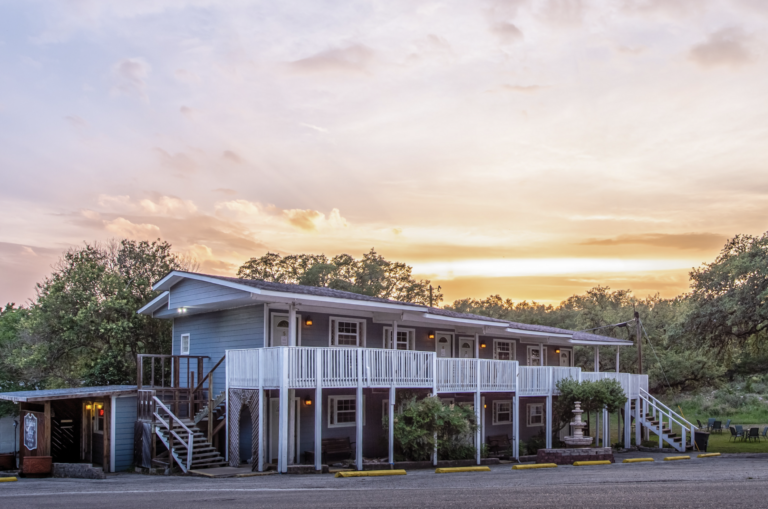
537 Skyline Dr, Canyon Lake
Asking price $1,150,000 · Closed November 2024
Hospitality for Landlords in San Antonio & New Braunfels Metro
Talk to Rex about hospitalitySecuring an operator for your restaurant, boutique lodge, or event venue in New Braunfels, Fredericksburg, or Boerne requires matching the physical capacity of your real estate with a group that can maintain steady service through every seasonal shift. We examine kitchen grease traps, verify utility connections, and audit historical gross receipts so you know an operator can actually execute their concept on your dirt before anyone signs a long-term agreement. Our team structures clear lease covenants and maintenance obligations that protect your real estate value and keep physical depreciation from eating your returns. Tell us what you want to achieve with your property, and we will help you identify the right tenant structure.
Hospitality owners leasing to third-party operators generally look to transfer day-to-day management burdens while securing stable cash flow and protecting asset condition across long cycles. Handing over a lodging facility, event venue, roadside boutique inn, or full-service restaurant involves far more operational integration than leasing standard commercial shell space. The building, existing equipment, municipal permits, and customer reputation are tied directly to whoever runs the floor, making operator selection the defining factor in ownership stability.
In Hill Country submarkets, municipal infrastructure and tourism flow dictate what kind of concept can survive on a given parcel. We review the water meters, grease interceptor capacities, and parking allowances with local utility providers before marketing the space, ensuring the premises match the operational reality of regional operators. Protecting your building value means confirming an incoming group has the working capital to carry shoulder months and maintain equipment without deferring critical maintenance.
Leasing out food, beverage, and lodging real estate exposes an owner to intensive physical wear and specialized municipal regulations that standard commercial leases rarely address. Working with an advisor who focuses on local site realities ensures lease terms hold tenants accountable for equipment replacement, brand standards, and continuous utility compliance. Professional representation provides an objective buffer during negotiations, aligning base rent, percentage rent triggers, and maintenance reserves with actual regional sales metrics.
Transferring an operating space carries the practical consideration that an inexperienced or undercapitalized tenant can harm the location’s trade reputation and degrade expensive mechanical infrastructure before default remedies can be enforced. Structuring strong initial operating covenants, personal or entity guaranties, and clear inspection access helps mitigate this risk while establishing an equitable framework for both parties.
Evaluating hospitality prospects requires looking beyond basic financial statements to review concept viability, existing store performance, and supply-chain resilience. We scrutinize historical sales volumes and vendor relationships to verify that the prospective tenant can maintain payroll and inventory through slower winter travel periods. A strong operator protects building integrity by operating cleanly and driving foot traffic that enhances overall real estate value. Choosing the right operator prevents premature vacancy and protects your real estate profile in the local business community.
Hospitality leases demand tailored language covering grease trap pump-outs, hood suppression certifications, roof walk rights, and liquor license transfer conditions. We structure agreements with explicit covenants that delineate landlord and tenant responsibilities for heating, cooling, and plumbing infrastructure. Clear lease mechanics prevent disputes regarding who replaces costly walk-in compressors or repairs customer-damaged fixtures. Having well-defined operational covenants safeguards your physical building from unaddressed wear over multi-year terms.
Second-generation hospitality spaces contain substantial value in specialized kitchen lines, guestroom plumbing stacks, and bar millwork. We quantify the replacement cost of existing trade fixtures to ensure lease rates reflect the working infrastructure already in place. This approach keeps owners from over-conceding on tenant improvement allowances when the building already delivers turnkey utility service. Aligning improvement dollars with durable building upgrades ensures every capital outlay adds permanent value to your dirt.
Many hospitality leases incorporate percentage rent clauses that allow owners to participate in the financial upside of successful retail or dining concepts. We establish unambiguous definitions of gross sales, point-of-sale reporting requirements, and annual reconciliation audits within the primary lease contract. This structure keeps financial reporting transparent and ensures rent payments track actual customer volume accurately. Verifying gross sales mechanisms provides legitimate upside without exposing the property owner to day-to-day operating liabilities.
Zoning ordinances, conditional use permits, and parking variances for food and lodging properties are difficult to re-establish once lost to abandonment. We structure occupancy transitions so required municipal operating permits and grandfathered parking rights remain active during turnover. Our team coordinates lease timing to prevent extended dark periods that could trigger costly modern building-code retrofits. Keeping commercial entitlements intact protects the fundamental value and zoning flexibility of your commercial parcel.
Leasing out lodging or dining space introduces premises liability risks that require rigorous indemnification and insurance standards. We coordinate with legal professionals to confirm that tenant policies carry appropriate liquor liability coverage, commercial general liability limits, and direct landlord indemnification. These safeguards ensure customer accidents or vendor disputes remain the sole legal responsibility of the operating entity. Proper risk insulation protects your underlying land and commercial improvements from business-level claims.
Hospitality properties face intense physical demands and complex regulatory oversight that complicate landlord-tenant relationships. From commercial septic limitations in unincorporated county areas to strict municipal noise ordinances, owning lodging or restaurant property involves continuous operational friction. Landlords must manage specialized mechanical components that experience rapid wear under heavy guest turnover and commercial kitchen demands.
We help property owners evaluate physical and market constraints before an agreement is executed, resolving potential conflicts before keys are exchanged. Our advisory practice pinpoints utility thresholds, verifies local zoning restrictions, and implements monitoring protocols that preserve property condition throughout the lease term.
Restaurants and guest lodging draw massive volumes of water, natural gas, and electrical power while loading municipal sewer lines or private septic systems to capacity. In areas without central wastewater, commercial grease interceptor pumping schedules and drainfield health dictate total customer capacity. We verify existing system flow rates against prospective concept requirements before lease execution to prevent catastrophic line backups. Confirming utility capacity upfront avoids costly mid-lease infrastructure upgrades and unbudgeted repair expenses.
Commercial kitchens, public restrooms, and guest quarters endure far higher wear and tear than general retail or commercial office spaces. Without stringent maintenance schedules, commercial fryers, walk-in coolers, and central air systems degrade rapidly, creating friction at lease expiration. We institute mandatory service contracts and routine inspection schedules into lease documents to hold operators accountable for preventive care. Enforcing consistent maintenance standards preserves building value and avoids steep deferred maintenance bills down the road.
Hill Country lodging and dining businesses experience peaks during summer river runs and holiday festivals, followed by quieter winter stretches. Operators with thin cash reserves often encounter rent distress during prolonged shoulder seasons, placing landlord cash flow at risk. We evaluate prospect cash reserves and structure flexible rent timing, such as seasonal percentage adjustments, to match operational income reality. Matching lease payments to regional revenue cycles reduces default probabilities and supports long-term occupancy.
Branded hotel flags and franchise restaurant concepts require cyclical renovations to stay compliant with brand quality guidelines. Disputes often arise over whether the property owner or the operating tenant pays for mandatory exterior upgrades, signage, and interior overhauls. We negotiate precise capital reserve contributions and define scope boundaries in master lease documents before franchise agreements are finalized. Establishing explicit improvement funding terms protects landlords from unbudgeted renovation mandates.
Beverage service requires adherence to municipal zoning rules, distance separation from schools, and state liquor authority licensing. A tenant violation or license suspension can shut down operations overnight, immediately impairing the tenant's ability to cover rent. We verify zoning setbacks and draft lease clauses that require continuous permit compliance as a condition of ongoing occupancy. Protecting municipal operating compliance ensures your building remains fully authorized for food and beverage commerce.
When a restaurant or boutique lodge vacates, finding an operator capable of utilizing the exact layout can take months of targeted marketing. Specialized floor plans and commercial kitchen configurations limit the prospective tenant pool compared to open commercial retail boxes. We maintain direct relationships with regional operators and restaurateurs seeking expansion space across our market corridors. Active networking and qualified prospect targeting minimize holding costs between commercial tenancies.
Selecting a commercial tenant for a hospitality or dining asset requires scrutinizing operational competence as closely as corporate balance sheets. A tenant with strong capital backing can still fail if their operational model does not fit local customer traffic patterns or if their team lacks experience managing regional supply chains. Landlords must evaluate how the incoming concept aligns with physical building limitations, parking ratios, and zoning restrictions.
We walk property owners through a comprehensive diligence review that examines operator track records, equipment preservation strategies, and financial covenants. Focusing on verifiable operational history and structural lease terms creates a stable foundation for the tenancy while preserving underlying real estate value.
Reviewing an operator's existing units reveals how cleanly they run their kitchens, how they manage staff turnover, and how customers respond to their brand. A concept that thrives in an urban center may struggle in a rural weekend destination without local adjustments. We inspect existing operations in person to assess hygiene standards, customer traffic flow, and overall presentation. Choosing an operator with proven regional execution capability ensures your property sustains steady patron traffic over time.
Opening or re-concepting a hospitality space requires substantial capital for initial inventory, staffing, marketing, and opening-phase cash burn. We confirm that prospective operators hold adequate cash reserves beyond their build-out budget to survive unpredictable launch delays. Operators with thin cash positions often fall behind on rent during their initial operating months when unexpected equipment issues arise. Verifying adequate operating capital protects the landlord from early lease defaults and emergency concessions.
Because restaurant and lodging entities are frequently structured as single-purpose LLCs, landlord security depends heavily on backing credit. We examine the net worth and liquidity of the parent company or individual principals providing the lease guaranty. Clear guaranty covenants provide enforceable recourse if the operating entity fails to meet its financial obligations or abandons the space. Securing a reliable guaranty protects your income stream against sudden corporate dissolution.
Lease documents must state explicitly who repairs, maintains, and replaces high-cost items like grease interceptors, roof penetrations, and refrigeration systems. Ambiguity around whether a landlord or tenant handles an unserviceable air conditioner leads to prolonged operational shutdowns and legal conflict. We insist on unambiguous contract terms requiring professional service contracts and shared inspection records. Documenting exact maintenance scopes prevents building degradation and eliminates mid-term lease friction.
A healthy hospitality property requires ongoing capital reinvestment to maintain guest satisfaction and keep finishes current with competing properties. Master leases should require operators to fund dedicated reserve accounts allocated for ongoing interior refurbishment and exterior upkeep. We assist landlords in establishing mandatory reserve thresholds that prevent deferred maintenance from eroding property equity. Mandating continuous reinvestment protects your real estate against competitive obsolescence.
Operators frequently seek to sell their operating business, including the leasehold interest, to third-party buyers during the contract term. Landlords need strict review standards over any proposed lease assignment, requiring the replacement operator to meet identical net worth and operational benchmarks. We negotiate robust recapture clauses that give property owners the option to take back their space rather than accept an unvetted successor. Maintaining control over lease transfers keeps unqualified tenants from taking over your commercial property.
Food service operations pose ongoing risks to municipal sewer systems, private septic fields, and local groundwater if grease disposal is neglected. Leases must require regular manifested pump-out logs, hood cleaning certifications, and chemical storage compliance delivered directly to the landlord. We integrate regular compliance audits into lease terms so owners can verify environmental rules are followed without delay. Active environmental compliance safeguards your property from municipal fines and environmental contamination.
Securing a high-performing operator requires a disciplined advisory methodology that bridges real estate fundamentals with commercial operating mechanics. We avoid passive listings and generic property flyers, focusing instead on deep operational analysis and direct engagement with qualified regional hospitality groups. Each phase of our process is designed to uncover property constraints early, establish competitive lease pricing, and attract operators capable of maintaining long-term commercial success.
Our boots-on-the-ground experience along the corridor between San Antonio and Austin gives us practical insight into what local municipalities require and what operators can afford to pay. We represent your ownership interests directly through contract negotiation and lease execution, ensuring your land and building improvements are fully protected.
We meet at the property to walk the kitchen lines, inspect mechanical rooms, review utility capacities, and discuss your ownership horizon. Our team reviews existing leases, debt obligations, and tax assessments to establish clear targets for base rent, percentage rent, and capital expenditures. We determine whether a direct operating lease, master lease, or ground lease structure best serves your financial and operational goals. Setting explicit objectives from day one ensures our marketing aligns with your personal investment strategy.
We evaluate local retail and lodging market trends across Comal, Hays, and Guadalupe counties to establish realistic lease rates based on traffic counts and submarket sales. Our team assesses your building's existing commercial infrastructure against competing vacancies to highlight kitchen build-outs, parking availability, and scenic hill country settings. We model projected tenant occupancy costs to ensure our pricing remains sustainable for an operator while maximizing your net return. Grounding lease rates in operational reality attracts solvent operators and reduces marketing time.
We prepare detailed marketing collateral that outlines commercial utility capacities, grease trap specs, municipal permits, and customer traffic data. Leigh Neves and our team reach out directly to vetted regional restaurateurs, hospitality management groups, and expanding franchise operators. We promote the location across specialized commercial networks rather than relying on general listing boards. Proactive operator outreach surfaces credible tenants who are actively looking to expand along the corridor.
Before arranging property tours or sharing proprietary layout data, we collect background information on each prospective operator's concept and financial standing. We review balance sheets, credit reports, and store-level operating histories to confirm the prospect holds adequate working capital. Our team verifies that their intended business model complies with local zoning, parking ratios, and municipal wastewater rules. Rigorous initial screening protects you from wasting time on underfunded concepts.
We negotiate detailed letters of intent that resolve critical business terms including tenant improvement allowances, rent commencement schedules, and personal guaranties before drafting final contracts. Our team works alongside your legal counsel to embed strict operational covenants covering maintenance responsibilities, audit rights, and insurance standards. We ensure the lease protects landlord property rights while providing the tenant a workable operational framework. Thorough LOI negotiation minimizes legal expenses and prevents closing delays.
We coordinate closing logistics, verify initial security deposit funding, and confirm all required insurance certificates and utility transfers are in place prior to turnover. Our team establishes ongoing milestone check-ins to monitor percentage rent reconciliations, annual maintenance certifications, and capital reserve contributions. When option windows approach, we review market conditions and tenant performance to negotiate equitable renewal terms. Ongoing lease oversight preserves long-term tenant stability and supports building value.
Different ownership structures require tailored leasing approaches depending on debt service requirements, tax considerations, and operational comfort levels. Some property owners prefer a passive, hands-off triple net lease structure, while others seek percentage rent upside and direct involvement in property repositioning. Our practice structures representation strategies to match the specific operational and financial preferences of each commercial owner.
We advise individual property owners, regional investment syndicates, and generational landholding families across New Braunfels, Seguin, and the surrounding Hill Country. Every advisory assignment begins by evaluating your tolerance for operational involvement and structuring lease terms that achieve your long-term ownership goals.
Families holding acreage with established event venues, tasting rooms, or lodging cabins often seek to step back from active event management. We structure long-term master leases with established hospitality operators who assume complete operational and booking responsibility while providing steady land rent. This structure preserves family land ownership without requiring daily staff coordination or customer service management. Working with an institutional operator turns an intensive operating chore into reliable commercial real estate income.
Owners of commercial strip retail or freestanding buildings with existing kitchen build-outs face high capital exposure when a previous restaurant tenant vacates. We help landlords assess the condition of in-place hoods, grease traps, and walk-in coolers to market the space directly to expanding food and beverage operators. Our team structures leases that place equipment maintenance on the incoming tenant while commanding premium rent for working infrastructure. Monetizing second-generation kitchen value accelerates re-tenanting and limits out-of-pocket owner finish costs.
Independent lodging owners who no longer wish to manage daily guest check-ins, housekeeping, and online booking engines benefit from leasing the entire physical asset to an experienced operator. We structure master lease agreements where the operator pays a fixed net rent and handles all property-level operating expenses. This arrangement removes day-to-day lodging operational headaches while securing steady cash flow backed by an operating entity guaranty. Shifting to a master lease provides a stable income stream while maintaining fee-simple asset ownership.
Owners holding hospitality real estate often reach crossroads where they must decide whether to fund a major property improvement plan, sign a new tenant, or sell the asset. We provide comparative valuation models showing projected income under a newly negotiated lease versus immediate open-market disposition pricing. Having objective cash-flow forecasts and tenant market demand data allows owners to select the path that optimizes their portfolio. Straightforward comparative analysis gives owners clarity before committing substantial capital to their properties.
Investors completing tax-deferred exchanges into commercial lodging or restaurant properties require leases with strong tenant covenants and reliable operating structures. We assist buyers in reviewing existing lease agreements, evaluating operator credit, and structuring lease extensions that protect ongoing income streams. Ensuring the tenant's operational model is durable protects the cash-flow engine of the exchange asset. Professional lease analysis ensures replacement properties meet long-term wealth preservation goals.
Property owners converting historic homes, scenic river frontage, or rural commercial parcels into dining or retreat destinations face complex municipal requirements. We guide owners through utility verification, parking requirements, and lease structuring to ensure the property is legally protected before admitting patrons. Our team matches the owner with vetted operators who have the operational background to navigate county health and safety standards. Clear professional guidance protects first-time commercial owners from costly regulatory oversights.
Hospitality leasing involves unique operational complexities that differ significantly from standard retail, industrial, or office commercial leases. Property owners must evaluate master leases, percentage rent structures, equipment maintenance reserves, and specialized municipal compliance before signing an agreement. Below are direct answers to common questions regarding how we position, negotiate, and protect hospitality real estate for owners.
We provide clear, unvarnished insight into what works in Comal, Guadalupe, and Hays counties, helping you navigate operator selection and contract terms with confidence. If you have specific questions about your property’s commercial potential, our team is ready to review the details with you.
A master lease transfers complete operational control and financial risk to a third-party tenant who pays you a fixed rent regardless of hotel revenue fluctuations, whereas a management agreement keeps operating risk with you while paying an operator a percentage fee to run the facility. Under a master lease, the tenant is responsible for payroll, utilities, and daily room sales, insulating the property owner from seasonal revenue dips. In a management agreement, the owner pays all operational expenses and receives the net operating income after the management company takes its contractual cut. Owners seeking predictable cash flow with zero payroll exposure generally prefer the master lease structure.
Percentage rent is typically structured by establishing an artificial or natural breakpoint based on the tenant’s base rent and projected gross food and beverage sales. Once the operator’s gross revenue surpasses this negotiated dollar threshold, they pay an agreed-upon percentage of all sales above that breakpoint to the landlord as additional rent. The lease must define gross sales with absolute clarity, specify permissible deductions like sales taxes and employee meal discounts, and require monthly certified point-of-sale reporting. We also include landlord audit rights to verify sales records against state sales tax filings.
Responsibility for funding cyclical property improvement plans is determined entirely by the terms negotiated in the lease agreement or hotel operating contract. In a standard master lease, landlords often require the operating tenant to establish an ongoing furniture, fixtures, and equipment reserve funded by a percentage of monthly revenue to pay for scheduled brand upgrades. However, major structural exterior renovations or roof replacements mandated by a hotel flag typically remain the financial responsibility of the building owner. Defining who covers these capital cycles before signing is vital to avoid unexpected multi-thousand-dollar renovation mandates.
Protecting physical building condition requires embedding strict preventive maintenance covenants and inspection rights directly into the commercial lease contract. We draft language requiring the tenant to maintain active service contracts for heating and cooling systems, grease traps, kitchen hoods, and backflow preventers with licensed regional vendors. Landlords should reserve the right to inspect the premises quarterly and cure any neglected maintenance at the tenant’s expense if violations are not corrected within a specified timeline. Requiring documented service records keeps expensive commercial building infrastructure operating smoothly throughout the lease term.
A properly structured commercial lease treats the loss, suspension, or non-renewal of required operating permits as an immediate non-curable lease default. Because a restaurant or bar cannot operate legally without health and beverage authorizations, permit loss instantly threatens the financial solvency of the tenancy. The lease should require the operator to notify the landlord immediately upon receiving any regulatory violation notices from municipal or state authorities. Holding the tenant contractually accountable for continuous regulatory compliance ensures your real estate is not tied up by an operator who cannot legally open their doors.
Properties located outside municipal utility districts rely on private water wells and on-site sewage facilities that have strict daily volume discharge limits. If a restaurant tenant increases their seating capacity or introduces heavy water-use kitchen equipment without proper septic permits, the system can fail, resulting in municipal shutdowns and environmental fines. In our regional submarkets, we audit existing septic capacities and well production rates before marketing the space to establish operational limits within the lease. Binding the tenant to maximum customer thresholds and strict grease management protects fragile private utility infrastructure from catastrophic failure.
Yes, investors can purchase commercial lodging or dining real estate through a 1031 exchange and immediately lease the physical premises to a third-party operator under a net lease structure. Because the owner is holding the physical real estate for investment and receiving rental income rather than running the active operating business, the property qualifies as like-kind real estate under tax regulations. It is essential that the transaction is structured as a true real property lease rather than an operational partnership or joint venture. A qualified tax advisor can evaluate how this investment structure applies to your specific tax situation.
A prospective restaurant operator should demonstrate liquid working capital sufficient to cover their planned improvements, initial inventory, opening payroll, and several months of full operational expenses. In seasonal tourism corridors like the Texas Hill Country, new dining concepts frequently experience cash flow deficits during their first several months before establishing regular customer traffic. We request verifiable bank statements and historical financial records to confirm the operator can absorb opening hiccups without missing base rent payments. Ensuring adequate tenant capitalization is the most effective way to prevent early commercial vacancies.
Each sale shows the asking price, and the closing date when we have it.
Asking price $1,150,000 · Closed November 2024
We also work these.
What is changing in Texas land, water and growth, explained for owners, not insiders.

TxDOT taking part of your Texas land? See what the state pays for, which losses it doesn't count, how the process runs, and when…

Selling a Texas shopping center? See how a careful buyer rebuilds your income, which fixes can pay off, and how to handle tenant estoppels…

Buying your first Texas shopping center? See how vacancy, taxes and loan terms can turn a 7.5% return into 5%, and what to check…

A 15-minute call. Tell him what you own or what you want to buy. He will tell you what he sees, good and bad. No cost, no pressure.
Talk to Rexor call 210-823-3721
We Are Ready To Help You In Making Smart Real Estate Decisions
Whether you have questions about commercial real estate, need advice on your next investment, or are ready to take the next step, we’re here to help. At Blue Collar Commercial Group of New Braunfels, we pride ourselves on providing personalized, expert guidance at every step. Fill out the contact form, and we’ll get back to you promptly to discuss how we can work together to achieve your goals. Let’s start the conversation today!
Local commercial real estate news and new listings, once a month.