
SoldHospitality
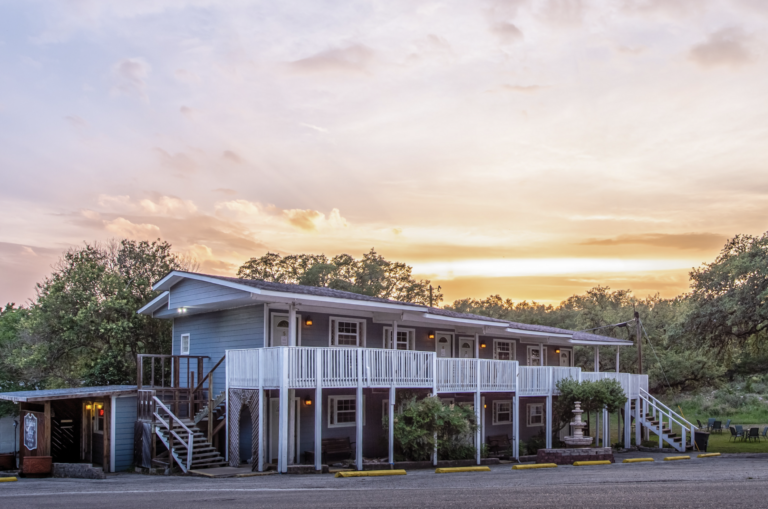
537 Skyline Dr, Canyon Lake
Asking price $1,150,000 · Closed November 2024
Hospitality for Buyers in San Antonio & New Braunfels Metro
Talk to Rex about hospitalityPurchasing lodging real estate along the corridor means evaluating an active operating business alongside raw physical dirt, whether you plan to reposition an independent motor lodge, add an event retreat, or acquire a branded highway hotel. Blue Collar Commercial Group evaluates the ground-truth mechanics behind each property, auditing wastewater capacity, franchise property improvement plans, and municipal hotel occupancy tax records across New Braunfels, Boerne, and Canyon Lake. We inspect the mechanical systems and examine local utility taps before you submit an earnest money deposit. Review our active hospitality listings or connect with our team to evaluate commercial lodging sites matched to your operating plan.
Hospitality buyers are ultimately purchasing an operating business wrapped in commercial real estate, where revenue is earned room by room and night by night rather than through multi-year commercial leases. That operational structure makes the asset class fundamentally distinct from standard net-leased investments or multitenant office properties. Capital flows into several distinct formats across this region, including select-service highway hotels, historic boutique inns, event-oriented guest ranches, roadside motor lodges, and extended-stay properties. Evaluating these assets requires analyzing average daily room rates, food and beverage margins, seasonal visitor patterns, and the replacement reserves needed to maintain brand standards.
In Hill Country submarkets such as Fredericksburg, San Marcos, and Wimberley, municipal infrastructure often dictates lodging feasibility long before real estate valuation comes into play. Our advisory method centers on verifying actual utility flows, comparing historical guest collections against county tax filings, and reviewing Edwards Aquifer Authority or local water district rules before clients finalize an offer. We examine what mechanical plants cost to run and audit local parking ordinances so you understand the operating overhead before entering formal diligence.
Lodging assets offer real estate investors direct participation in consumer and business travel spending, allowing properties to adjust daily room rates in real time rather than waiting on multi-year lease escalations. Capital allocators target commercial hospitality to capture operating cash flow, execute value-add renovation programs, or transition existing sites into destination boutique properties that benefit from regional tourist traffic along the Interstate 35 and Highway 46 corridors.
Operating a lodging asset involves continuous operational risk, labor overhead, and exposure to broader consumer travel pullbacks that fixed-lease commercial properties do not face. Successful buyers account for these variables during underwriting by building conservative contingency reserves and auditing historical room collections against verified operating expenses before closing.
Unlike standard commercial leases that lock rental income for years, hotels adjust room pricing daily to match current market demand. This pricing flexibility allows operators to capture immediate upside during peak travel seasons, festival weekends, and regional corporate gatherings. For investors, this mechanism provides a direct buffer against inflationary operating cost increases.
Commercial lodging properties frequently generate revenue beyond overnight room sales through banquet rentals, on-site dining, retail shops, and paid guest parking. Combining food, beverage, and event income diversifies the building income structure across different customer segments. That diversification reduces reliance on any single corporate travel account or weekend tourist block.
Acquiring independent motels or older flagged hotels allows buyers to execute targeted physical renovations, upgrade common amenities, and introduce modernized booking technology. Upgrading rooms and public spaces can shift a property into a higher rate category and capture unserved traveler demand. This repositioning strategy creates property value through physical improvements rather than relying on broader market cap-rate shifts.
Lodging sites positioned along high-volume travel routes capture steady drive-by room demand and interstate commercial traffic. Prime highway access and prominent signage anchor long-term underlying land values even as brand flags or interior layouts evolve over time. That ground-level real estate positioning supports long-term property equity across changing regional cycles.
Lodging properties carry substantial allocations of personal property, commercial equipment, and specialized building components that qualify for accelerated cost recovery methods under prevailing tax codes. Structuring acquisitions to isolate furniture, fixtures, and commercial kitchen assets can support near-term tax planning strategies for active investors. A qualified tax professional can evaluate how these cost allocations apply to your specific entity structure.
Acquiring a hotel requires evaluating daily payroll demands, commercial laundry equipment, third-party booking vendor commissions, and seasonal occupancy swings alongside standard real estate title and survey considerations. Buyers who underwrite lodging real estate purely as a square-footage calculation overlook the operational requirements that determine actual net operating income.
We address these challenges by auditing historical franchise inspection reports, reviewing environmental assessments, and reconciling past merchant processing statements against reported tax returns. Our team uncovers deferred mechanical work and local code enforcement notes before you waive diligence contingencies.
Purchasing a branded hotel triggers a mandatory property improvement plan from the franchisor requiring specific updates to case goods, guest bathrooms, lighting, and exterior facades. Failing to budget for these franchisor mandates can create unexpected capital cash calls immediately following transfer of ownership. We review the preliminary brand inspection report early in diligence to identify required physical upgrades before purchase pricing is locked.
Lodging facilities consume substantial volumes of water daily for guest suites, commercial kitchens, landscaping, and laundry operations. Properties in unincorporated parts of Comal, Hays, or Blanco counties may depend on private water systems, septic fields, or strict groundwater conservation district pumping limits. We verify utility tap sizes, wastewater capacity allocations, and water district permits prior to closing.
Hill Country leisure properties often generate the bulk of their net income during spring and summer months, leaving winter periods with lower room collections and unchanged fixed overhead. Underwriting an acquisition requires sizing debt service coverage against off-peak months to verify operating sustainability. We help buyers stress-test financial projections against historical low-season room collections so working capital reserves remain adequate.
Commercial central boilers, multi-unit heat pumps, and extensive flat roofing assemblies endure heavy continuous wear in hospitality environments. Unaddressed mechanical failures lead to out-of-order room inventory and immediate guest refund demands that damage ongoing revenue. We coordinate physical walk-throughs with commercial trade inspectors to assess the actual operational lifespan of central plants and guestroom climate units.
Municipalities and county jurisdictions enforce local hotel occupancy tax levies that must be collected from guests and remitted on strict reporting schedules. Acquiring an existing lodging asset without auditing municipal tax payment records exposes an incoming buyer to potential municipal liens or disputed historical collections. We verify compliance records with local city finance departments to confirm all local room taxes are accounted for.
A disciplined due diligence review for commercial hospitality real estate examines both the physical improvements on the dirt and the operational health of the enterprise. Verifying guestroom physical condition, parking ratios, and zoning compliance is just as critical as dissecting the historical profit-and-loss statements, booking platform fees, and vendor contracts.
Our field review process focuses on structural components that carry significant replacement costs, including commercial water filtration systems, commercial grease traps, elevator machinery, and stormwater retention structures. We compare county property tax appraisal records against the historical purchase price to estimate the impact of post-sale municipal tax reassessments on your prospective bottom line.
Evaluate multi-year competitive market reports detailing historical occupancy levels, average daily rates, and revenue per available room across the local competitive set. Reviewing these third-party metrics confirms whether past revenue resulted from strong property management or broad market lift. This analysis clarifies realistic performance expectations for your business plan.
Verify that municipal water main pressure and on-site fire sprinkler risers meet current municipal fire marshal standards for commercial lodging occupancy. In rural or unincorporated submarkets, confirm that private wastewater systems and septic absorption fields have documented health department permits. Verifying utility infrastructure prevents costly capacity upgrades or room count reductions post-closing.
Examine food service areas, commercial exhaust hoods, fire suppression tags, and exterior grease trap sizing to ensure current compliance with county health regulations. Upgrading undersized grease interceptors or outdated ventilation equipment requires significant capital and can halt food and beverage operations. Verifying food service compliance keeps your event and dining spaces operational without delay.
Confirm that public lobbies, guest registration counters, accessible guestrooms, pool lifts, and parking stalls comply with state and federal accessibility guidelines. Older motor lodges and historic inns frequently carry non-compliant pathways or entry thresholds that require structural remediation upon sale. Addressing accessibility compliance early eliminates operational disruption and protects guest access.
Review existing supplier agreements for commercial laundry machinery, guestroom televisions, point-of-sale software, and linen services to identify binding financial liabilities. Terminating unfavorable supplier agreements or transferring equipment leases requires advance notice and clean assignment paperwork before the deed transfers. Auditing operational contracts ensures you avoid inheriting legacy service agreements that drain monthly cash flow.
Assess whether on-site vehicular stalls satisfy municipal zoning minimums based on total room keys and banquet square footage. For highway properties, verify that curb cuts and internal drive aisles accommodate commercial delivery trucks, tour buses, and guest vehicles towing recreational trailers or boats. Adequate parking access directly supports guest satisfaction and event booking capacity.
Acquiring commercial lodging real estate involves coordinating specialized legal counsel, commercial brand managers, civil engineers, and environmental consultants through a disciplined purchase timeline. Blue Collar Commercial Group structures each stage of the acquisition to protect earnest capital, clarify physical property conditions, and verify that operational income supports your targeted investment return.
We guide investors and operators through a systematic six-step advisory framework developed across transactions in Comal, Hays, and Guadalupe counties. By walking mechanical basements, inspecting attic insulation, and checking utility meters alongside your team, we ensure you make purchase decisions grounded in verifiable facts.
We begin by clarifying your target investment strategy, whether you seek a stabilized branded hotel with steady corporate bookings, a boutique tourist retreat, or a value-add motel ripe for adaptive reuse. During this initial review, we define geographic criteria, operational capability, equity availability, and return parameters. Defining these core objectives prevents wasted time reviewing properties that conflict with your operational model.
Our team evaluates target submarkets such as New Braunfels, Boerne, and San Marcos, reviewing local lodging room counts, seasonal event traffic, and competitive room rates. We examine regional visitor patterns, municipal lodging tax collection data, and proposed hotel development pipelines along the corridor. This ground-truth market analysis establishes realistic room revenue expectations before you tour properties.
We establish a focused property sourcing plan that evaluates publicly marketed inventory alongside off-market lodging properties whose owners are considering an ownership transition. Our approach identifies independent operators and legacy family owners who may welcome a discreet acquisition conversation. This deliberate sourcing strategy broadens your access to potential lodging assets before they reach the open market.
We walk candidate properties alongside you, inspecting guestroom condition, back-of-house operations, laundry facilities, roof assemblies, and central mechanical plants. During these walk-throughs, we evaluate site circulation, visibility from major thoroughfares, and physical signs of deferred maintenance. Direct on-site inspection separates properties with sound physical bones from facilities requiring substantial structural remediation.
We draft comprehensive commercial letters of intent and purchase contracts that protect your interests through appropriate feasibility timelines, franchisor transfer contingencies, and access rights. Our negotiation strategy focuses on pricing adjustments that reflect verified deferred maintenance, property improvement plan obligations, and municipal compliance requirements. Structuring terms properly upfront protects your earnest money while you perform thorough diligence.
Throughout the feasibility period, we coordinate Phase I environmental reviews, property condition assessments, title title work, and utility verification with local authorities. We assist your team in auditing historical merchant card processing statements, guest registration ledgers, and property tax records before contingencies expire. This methodical closing process ensures you take title with clear operational visibility and no unaddressed property liabilities.
Commercial lodging properties attract a wide range of capital profiles, from regional owner-operators who live on site to passive investment syndicates seeking cash distributions backed by professional management. Matching your operational capacity and capital structure to the appropriate lodging format is essential for long-term operational success.
We advise buyers across each stage of their commercial real estate path, providing direct analytical support whether you are transitioning equity out of residential rentals or expanding a portfolio of flagged highway hotels. Our team works across the table to ensure your target property aligns with your operating budget and regional investment goals.
Investors transitioning from single-family short-term vacation rentals into boutique motels, historic inns, or small commercial lodging properties. We guide these buyers through commercial utility taps, municipal lodging taxes, and commercial lending structures. This support establishes realistic expectations for operational staffing and post-closing reserve requirements.
Entrepreneurs seeking a live-work boutique hotel, bed-and-breakfast inn, or guest lodge where they can oversee daily guest operations personally. We help these owner-occupants evaluate manager quarters, commercial kitchen infrastructure, and local zoning permissions for events or beer and wine service. Finding the right physical configuration ensures the site supports both an active business and private living quarters.
Real estate owners redeploying capital out of relinquished multifamily, land, or commercial retail properties into income-producing hospitality assets to defer capital gains tax. We assist buyers in identifying eligible replacement candidates that satisfy statutory exchange guidelines before strict exchange timelines expire. A qualified tax advisor can confirm the specific transaction rules governing your exchange.
Commercial operators focused on acquiring underperforming independent motels, outdated roadside motor courts, or properties with deferred maintenance to rebrand as destination boutique lodging. We analyze zoning allowances, historic district guidelines, and utility infrastructure to confirm that planned concept expansions are legally and physically viable. Our on-the-ground market intelligence helps sponsors underwrite the true cost of bringing older spaces to market.
Franchise hotel ownership groups seeking to expand their footprint of select-service or extended-stay properties along the Interstate 35 and Highway 46 corridors. We track off-market acquisition opportunities, analyze local commercial corporate demand drivers, and review municipal growth corridors. This targeted advisory work helps established groups secure strategic assets that complement their existing portfolio operations.
Purchasing commercial lodging real estate involves technical questions regarding franchisor approvals, operational underwriting, environmental reviews, and commercial debt underwriting. We believe in providing clear, direct answers backed by county records and real transaction experience so you can move forward with confidence.
Review our answers to common acquisition questions below, or reach out directly to review the specific due diligence criteria, utility constraints, or deal structures relevant to your prospective hospitality transaction.
While both assets generate revenue from living spaces, hotels operate as active daily operating businesses rather than passive real estate investments anchored by annual tenant leases. In a hotel, pricing changes nightly and operating expenses include daily housekeeping, laundry, front-desk labor, and food service overhead, whereas multifamily properties have lower operational friction and predictable monthly collections. Commercial lodging offers greater immediate cash flow upside during peak travel seasons, but demands higher working capital reserves and active operational oversight.
A Property Improvement Plan is a mandatory schedule of physical upgrades issued by a hotel franchisor that an incoming buyer must complete to retain the brand flag upon transfer of ownership. The plan details required renovations to guestrooms, digital technology, public lobbies, exterior signage, and mechanical systems. Buyers must deduct the estimated cost of completing these mandatory upgrades from the seller’s asking price or secure an escrow credit at closing to avoid funding unexpected capital improvements out of pocket.
Request at least three years of detailed operating profit-and-loss statements, balance sheets, monthly room-tax remittance reports filed with the city and state, and historical merchant processing statements. Comparing the revenues reported on credit card statements and tax filings against the property’s internal financial software verifies whether reported earnings reflect actual collected cash. In addition, examine utility bills, current staffing schedules with hourly wage rates, and all active service contracts.
Yes, commercial real estate investors can acquire hotel and lodging real estate as replacement property in a 1031 exchange, provided the asset is held for productive business or investment use. However, because lodging transactions include substantial values attributed to personal property, furniture, equipment, and goodwill alongside the underlying real estate, the purchase allocation must be structured properly with your legal and tax team. Your CPA or qualified intermediary can evaluate how personal property exclusions and statutory exchange deadlines apply to your specific transaction.
Hotels consume substantial amounts of water daily, making municipal utility capacity or permitted groundwater pumping allowances a primary feasibility factor in Comal, Hays, and Blanco counties. If a property relies on a private water well, the buyer must confirm pumping permits with the local groundwater conservation district and evaluate the capacity of on-site commercial septic or wastewater treatment systems. Discovering that a property cannot legally supply enough water or process wastewater for its total room keys can stop operations or prevent planned expansions.
Buyers typically finance lodging acquisitions through specialized commercial banks, Small Business Administration loan programs for owner-operators, private balance-sheet lenders, or bridge debt for turnaround properties. Commercial lenders scrutinize historical room revenue, debt service coverage ratios during off-peak seasons, and the borrower’s direct operating experience in hospitality management. For properties requiring substantial renovations, lenders often require interest reserves and holdbacks to fund planned improvements.
Engage licensed commercial inspectors to complete a comprehensive Property Condition Assessment covering the building envelope, commercial roof surfaces, plumbing risers, fire sprinkler backflow systems, and central heating and cooling plants. Specialized contractors should also evaluate commercial kitchen grease traps, elevator mechanical equipment, and swimming pool pumps and filtration systems. Resolving these physical findings before closing ensures you do not inherit unbudgeted emergency repair liabilities.
County appraisal districts reassess commercial real estate values based on market transactions, which means a purchase price significantly higher than the prior appraised value often triggers an increase in annual property taxes. In hospitality properties, allocating purchase value appropriately between real estate dirt, physical improvements, and intangible business assets or furniture helps establish a defendable position for future tax appeals. We review county appraisal records early in diligence so you can factor realistic post-closing tax liabilities into your pro forma.
Each sale shows the asking price, and the closing date when we have it.
Asking price $1,150,000 · Closed November 2024
We also work these.
What is changing in Texas land, water and growth, explained for owners, not insiders.

TxDOT taking part of your Texas land? See what the state pays for, which losses it doesn't count, how the process runs, and when…

Selling a Texas shopping center? See how a careful buyer rebuilds your income, which fixes can pay off, and how to handle tenant estoppels…

Buying your first Texas shopping center? See how vacancy, taxes and loan terms can turn a 7.5% return into 5%, and what to check…

A 15-minute call. Tell him what you own or what you want to buy. He will tell you what he sees, good and bad. No cost, no pressure.
Talk to Rexor call 210-823-3721
We Are Ready To Help You In Making Smart Real Estate Decisions
Whether you have questions about commercial real estate, need advice on your next investment, or are ready to take the next step, we’re here to help. At Blue Collar Commercial Group of New Braunfels, we pride ourselves on providing personalized, expert guidance at every step. Fill out the contact form, and we’ll get back to you promptly to discuss how we can work together to achieve your goals. Let’s start the conversation today!
Local commercial real estate news and new listings, once a month.